Open Stock and Replacements: The Quiet Service Behind Every Set
The Problem: The Piece That Breaks Decides the Next Order
Ceramic is durable and it is not permanent. A plate chips, a mug's handle goes, a bowl cracks — and the customer is left with a set of five where there were six. What happens next is a commercial decision made long before, at the specification stage: either the same piece can be supplied again, or the customer replaces the whole set with someone else's. Open stock — the willingness to supply single pieces and small quantities after the initial order — is therefore not a customer service nicety. It is the mechanism by which a first order becomes a fourth.
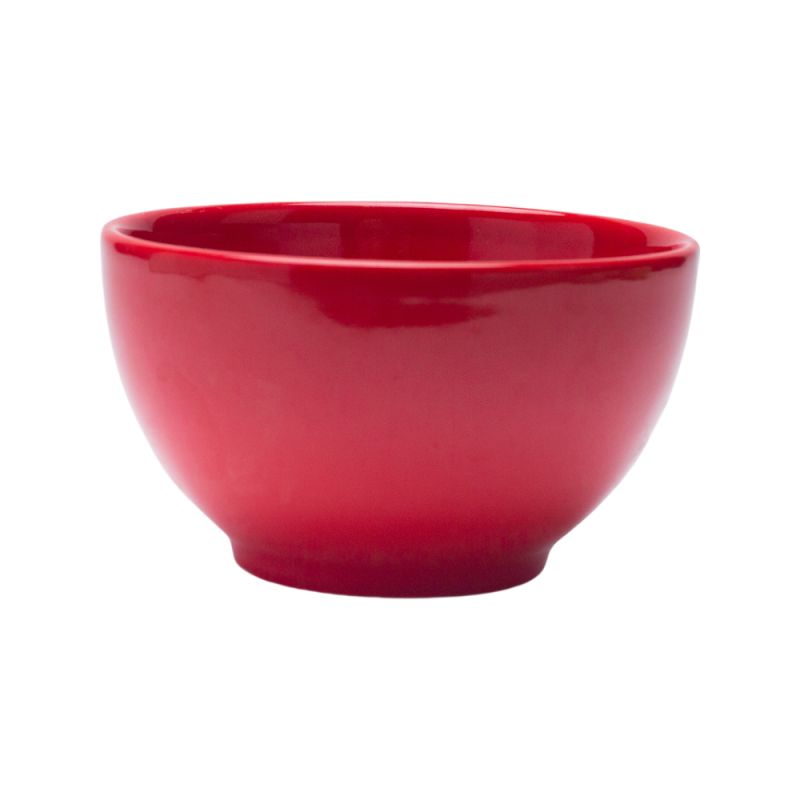
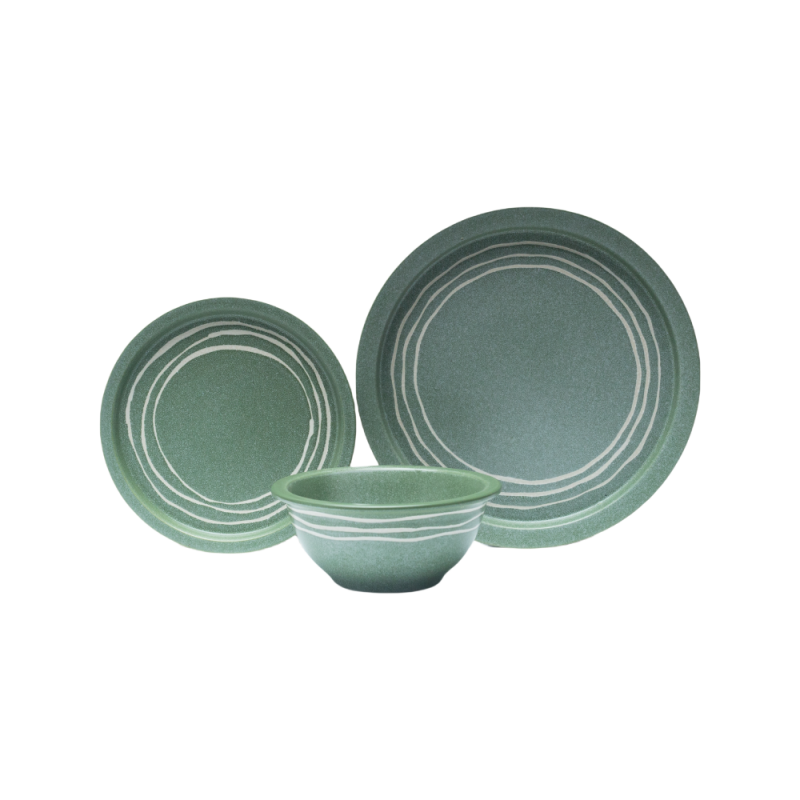
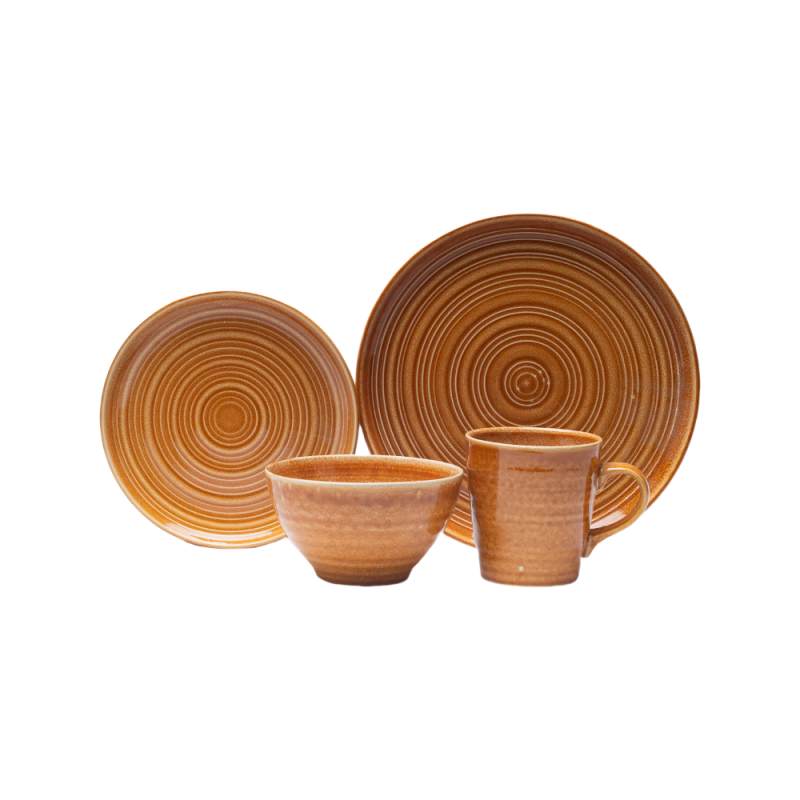
Products in this guide: Vibrant Glazed Ceramic Bowl · Handcrafted Green Stoneware 3-Piece Set
Where This Fits in the Sourcing Chain
Replacement capability rests on two things: a specification that stays available, and a record of which glaze batch a delivery came from. The spec freeze guide explains how artwork and packing files are locked between orders. Where the buyer resells the goods, the packaging has to allow a single piece to be shipped. The packaging guide explains how retail-ready and protective layers are specified together. The full chain follows the standard sourcing map. See the full ceramic sourcing process map.
Why Matching Is Harder Than It Sounds
Two pieces made months apart can differ. Glaze varies between firings, decoration can shift slightly in tone, and a body produced after a mould service can be marginally different. Four practices reduce the problem, and all of them are decided when the range is set up rather than when the replacement is requested.
Reserve stock at the time of the order. A small percentage held back from the original production covers early breakage and covers it perfectly, because it is the same batch.
Record the batch. If the manufacturing run is documented, a replacement can be produced from the same glaze recipe and compared against a retained sample rather than against memory.
Keep a physical reference. A sealed sample of each production batch is what makes an argued match possible years later. The spec freeze guide explains how artwork and packing files are locked between orders.
Tell the customer which pieces are open stock and which are not. A buyer who knows that a dinner plate can be replaced singly and a seasonal mug cannot has been given information they will use when choosing the range.
Where Replacement Matters Most
Hospitality and food service is the largest case. Restaurants, hotels and cafés break stock continuously, and a supplier who can replenish single pieces at short notice becomes a permanent part of their operation rather than a one-off vendor. This is also the segment where the report card is written in weeks rather than seasons.
Consumer dinnerware and drinkware sets, where one broken piece is the most common reason a household considers a different brand — even though the rest of the set is fine.
Gift and retail lines, where a customer returns a damaged item and the retailer needs an immediate replacement rather than an argument about credit.
The Practical Structure
A workable replacement programme has four elements. An open-stock list, naming the items that can be supplied individually. A minimum quantity for a replacement run — usually one carton rather than one piece, because a production run has a minimum even when the order does not. A stated lead time for replacement goods, quoted honestly rather than as a production lead time. A reservation of stock for the largest buyers, particularly in hospitality, where an annual replacement quantity can be agreed in advance.
None of this requires extra tooling. It requires that the range be administered, which is a different discipline from making it — and it is the discipline that separates a supplier who is reordered from one who is merely sampled.
The Habit That Ties It Together
The habit is to plan the second sale while the first is being manufactured. Programs that do this keep a range alive for years on the strength of a single piece that can still be bought.
Related Products
Explore products featured in this guide:

Have questions? See our Sizes & Finishes FAQ and Ordering & Certifications FAQ.
Need a custom quote? Send an inquiry or browse our full product catalog.