
Open Mould or Private Mould: What That First Question Really Decides
Almost every first conversation about a custom mug reaches the same question: do you have a mould for something close? It sounds like an efficiency question. In practice it decides four things at once — the tooling cost, the minimum quantity, the lead time, and whether anyone else can sell the same shape.
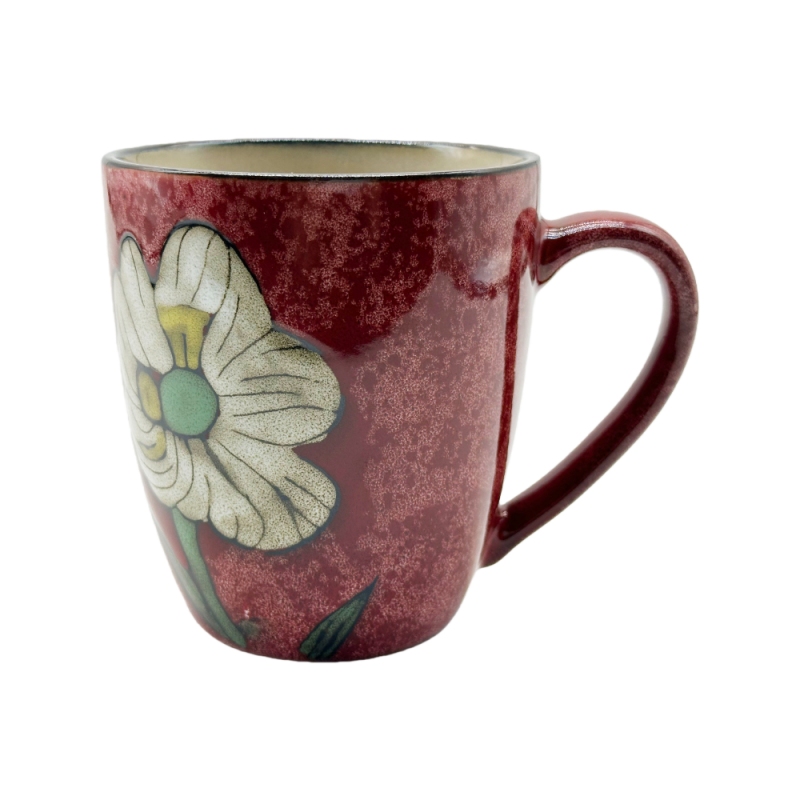
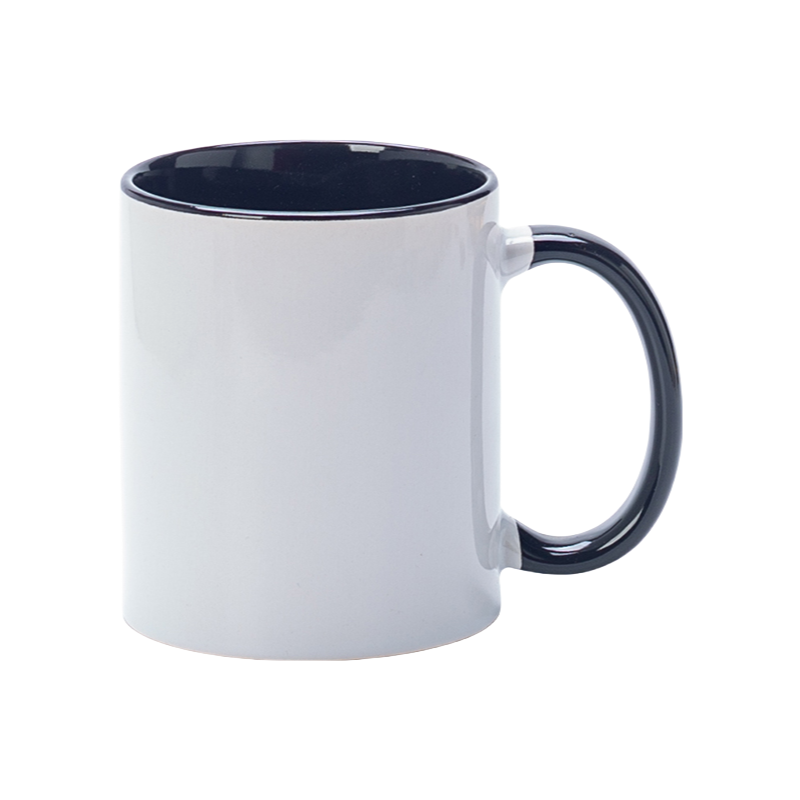
Products in this guide: Reactive Glaze Ceramic Mug 390-400ml · 11oz Sublimation Color Handle Mug
Buyers who treat it as a shortcut usually come back to it later, when a competitor turns up with an identical mug at a lower price and nobody can explain why.
The three mould situations
Most quotes are built on one of three arrangements, and they behave very differently.
An existing mould owned by the factory. Also called an open mould, a stock mould or a house shape. The shape already exists, the tooling is paid for, and the factory runs it for whoever orders. This is what most suppliers mean when they say they have something similar.
A private mould made for you. The factory cuts tooling for your shape. It may be a new profile, a specific handle, a particular rim, or a volume that no house shape covers. You pay for the tooling, directly or inside the unit price.
A mould you own, held at a factory. You paid for the tooling and the agreement says the mould is yours. The factory stores it, maintains it, and runs it for you. This is the strongest position, and also the one most often left undocumented.
What an open mould really gives you
The advantage is real. There is no tooling invoice, the minimum quantity is usually lower than for a new shape, sampling is faster because the body already exists, and problems with the shape have already been found by someone else.
The cost is not on the invoice. It sits in three places.
The shape is not yours. Anyone the factory chooses to run it for can have the same body. Custom decoration makes two mugs look different, but the body, handle and rim are identical, and buyers do notice at the table.
Your changes are limited. A handle cannot be moved far, a rim cannot be thinned, a volume cannot be pushed much beyond what the mould allows. If the design needs a change, you are no longer talking about an open mould.
The tooling can be retired. House shapes get withdrawn when they stop selling. If your programme depends on one, ask how long it has been running and whether it will still be available in three years.
What a private mould commits you to
A private mould is the right answer when the shape is part of what you sell — a signature silhouette, a handle that has to feel a certain way, a stack height that has to fit a specific cabinet or dishwasher rack.
Three commitments come with it.
A one-off cost. Tooling is charged once, but it is charged before you know whether the product sells. Treat it as a development cost, not as part of the unit price.
A longer first lead time. Tooling has to be cut, tried, corrected and approved before production. The first order is always slower than the second.
A specification that has to be finished before cutting starts. A mould cut to an unclear drawing produces a precise version of the wrong mug. Dimensions, tolerances, weight class, handle position and capacity all need to be settled first.
The spec freeze guide explains how artwork and packing files are locked between orders.
The ownership question, which is where this usually goes wrong
Paying for a mould is not the same as owning it. Until the agreement says otherwise, the tooling belongs to whoever made it, and "made for you" is a description, not a title.
If the shape matters to your business, settle four points in writing.
- Title. Who owns the mould, stated plainly, not implied by who paid.
- Storage and maintenance. Who keeps it, who repairs it, and what happens when it wears.
- Continuation. That the factory will keep it available for your orders for as long as you place them, and will not run it for others without your consent.
- Removal. Whether you may take the mould to another factory, and on what notice.
The fourth point is the one buyers regret not asking. A mould you cannot move is leverage held by the other side.
What to ask before you choose
- Which of the three situations is this quote actually based on?
- If it is an existing mould, how many other buyers run it, and can I see the current shape rather than a catalogue photo?
- If it is private, what is the tooling cost, and is it invoiced separately?
- Who owns the tooling after the first order, and where is that written?
- What is the minimum for a first run, and what does it fall to on a repeat?
- How long has this shape been in production, and how many more years will it run?
A supplier who answers these without hesitating has usually been through the conversation before. One who treats the ownership question as strange is telling you something useful.
The master sample guide explains how sealed references keep batches identical.
Whichever route you take, keep a sealed sample of the approved body. It is the only object that settles an argument about what the shape was supposed to be, and it costs nothing to hold.
Related Products
Explore products featured in this guide:

Have questions? See our Sizes & Finishes FAQ and Ordering & Certifications FAQ.
Need a custom quote? Send an inquiry or browse our full product catalog.

