One Product Line, Many Markets: The Localization Checklist for Ceramic Exporters
The Same Mug Does Not Fit Every Market
A ceramic line that sells well in the US does not automatically sell in the Gulf, and a pattern that is premium in Scandinavia can be wrong in Southeast Asia. The failure is not the product — it is assuming the product travels. Bulk buyers who export to several markets have two options: run separate lines per market (expensive, fragmented) or run one line with deliberate localizations (cheaper, disciplined). This guide covers the four localization layers and the checklist that applies them.
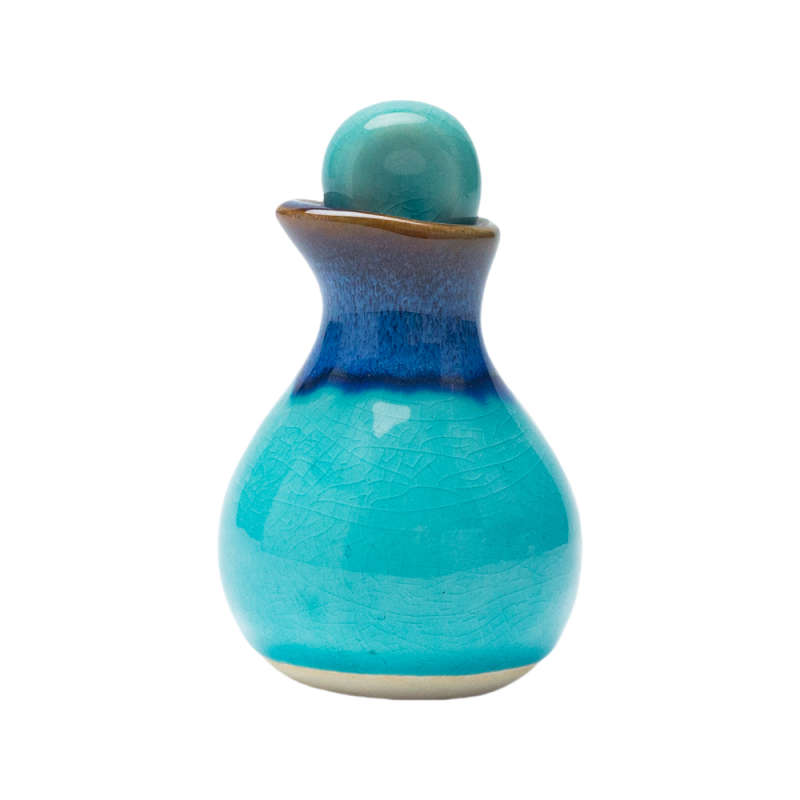
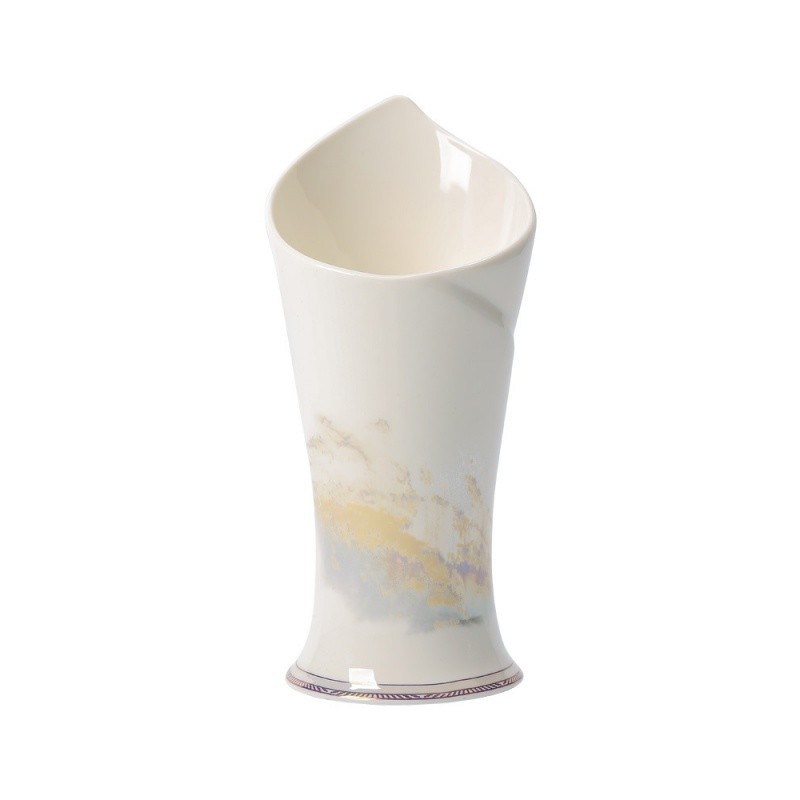
Products in this guide: Handmade Glazed Spice Jar · Luxury Ceramic Chopstick Holder
Layer 1: Capacity and Size Standards
The same vessel means different volumes in different markets:
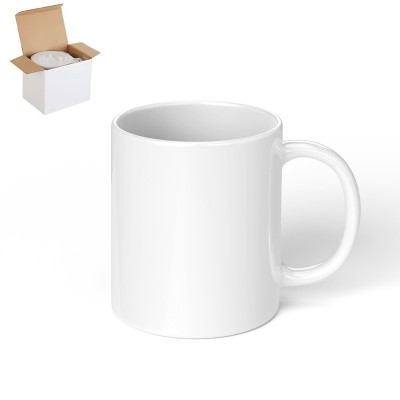
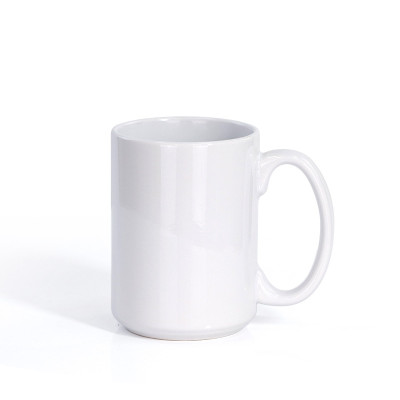
- The oz vs ml divide. The US market thinks in ounces (8 oz, 11 oz, 15 oz); most other markets think in milliliters (250 ml, 350 ml, 450 ml). A mug labeled 11 oz reads clearly to a US buyer and awkwardly to a European one — decide the labeling language per market.
- Regional serving norms. Espresso cups are 60-80 ml across most of Europe; Turkish coffee cups are smaller; the Gulf serves tea in 150-200 ml cups and coffee in smaller ones; the US runs larger drip-coffee mugs. One "coffee cup" size does not exist.
- The dual-capacity trick. Lines that ship to both the US and Europe can use metric capacities with a US-friendly label (e.g., 350 ml / 12 oz) — one product, two label languages.
Layer 2: Food-Safety and Compliance
Regulations are a localization layer, not an afterthought:
- Europe: LFGB (Germany), the EU framework regulation, and the newer GPSR requirements on traceability and EU-responsible-person labeling. Ceramics for the EU need migration test reports for lead and cadmium.
- United States: FDA compliance, California Proposition 65 warnings for certain glazes and decorations.
- Middle East: halal certification is less about the ceramic itself and more about the supply chain and the factory's hygiene documentation — Gulf buyers ask for it even for tableware.
- The report packaging: buyers in each market want the test report they recognize. Keep the LFGB, FDA and EU reports on file and ready to issue per market — a buyer who has to wait a month for a report is a buyer who moved on.
Layer 3: Cultural Design Rules
Design is where localizations are most visible — and most sensitive:
- Religious and cultural motifs. Avoid religious symbols and sacred imagery in markets where they are sensitive; check patterns against local custom for colors and symbols (e.g., the color significance in Gulf markets, the number symbolism in some Asian markets).
- Color meanings. White is clean in the West and associated with mourning in parts of Asia; red is celebratory in China and powerful in the Gulf; specific greens carry religious significance in some markets. The glaze palette that is neutral at home can be loaded abroad.
- Holiday relevance. Halloween and Christmas designs sell in the West and parts of Asia, but not in markets where those holidays are absent. Match the seasonal line to the market's actual calendar — a Gulf Ramadan line and a Western Christmas line are both seasonal, but they are not the same season.
Layer 4: Packaging Language and Story
The packaging is the last localization layer and the cheapest to get right:
- Label language per market — the box, the care instructions and the barcode data should be in the market's language, not just English. A Spanish-market buyer receiving an English-only box has to translate before they can sell.
- Compliance symbols on pack — the CE mark, the food-contact symbol (glass and fork), the dishwasher and microwave symbols, and any local marking requirement. Missing symbols get boxes stopped at customs.
- The story element — a "Made in China, crafted for [market]" card or a bilingual hang tag turns a localized product into a positioned one. The story is what justifies the localization cost.
The Market-Fit Checklist
Before shipping one line to a new market, run the four-layer check:
- Capacity: is the size standard (ml/oz) right, and is the label language right for the market?
- Compliance: which test reports does the market require (LFGB, FDA, halal), and are they issuable for this line?
- Culture: does the pattern, color or motif carry any unintended meaning in this market? Does the seasonal design match their calendar?
- Packaging: is the box, care label and compliance marking in the market's language and format?
The checklist turns localization from guesswork into a process — and it applies to a ten-SKU line as much as a full catalog. The exporters who win multiple markets are not the ones with the most designs; they are the ones with one good line and a checklist that adapts it correctly, market by market.
"Localization-Ready Ceramic Programs"
Explore products featured in this guide:
Have questions? See our Sizes & Finishes FAQ and Ordering & Certifications FAQ.
Need a custom quote? Send an inquiry or browse our full product catalog.