One Factory or Many? The Single-Source vs Multi-Supplier Decision for Ceramic Buyers
The Sourcing Strategy Question That Decides Margin and Risk
Every ceramic buyer eventually faces the same fork: concentrate the volume in one factory to get the best price, or split it across several to reduce risk. The answer is not "single is cheaper" or "multi is safer" — it is a category decision. Some products should be single-sourced, others multi-sourced, and the buyers who treat the question as one global strategy instead of a per-category decision are the ones who either overpay or get caught exposed.
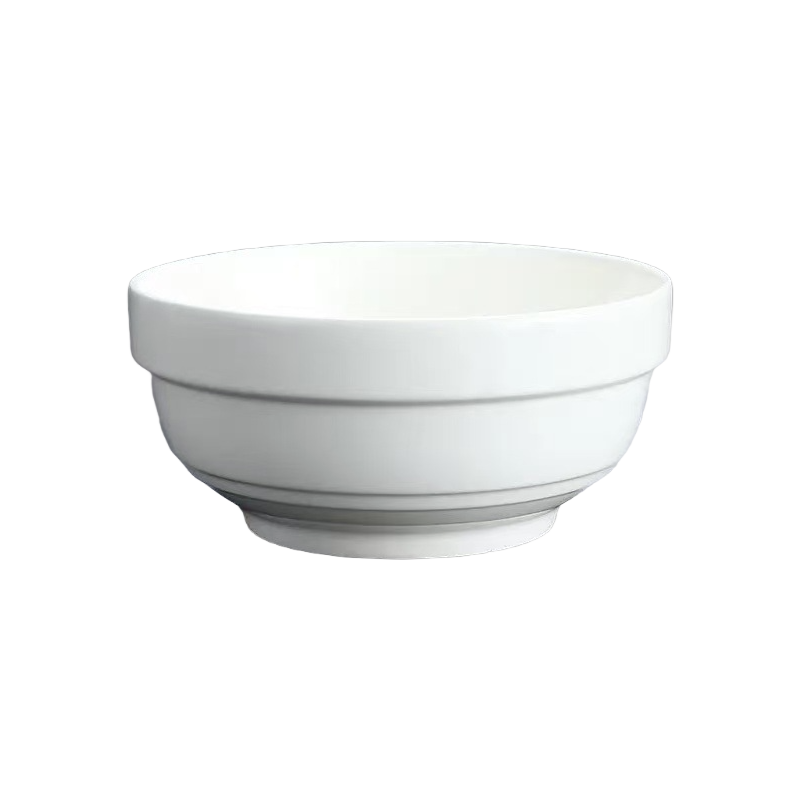
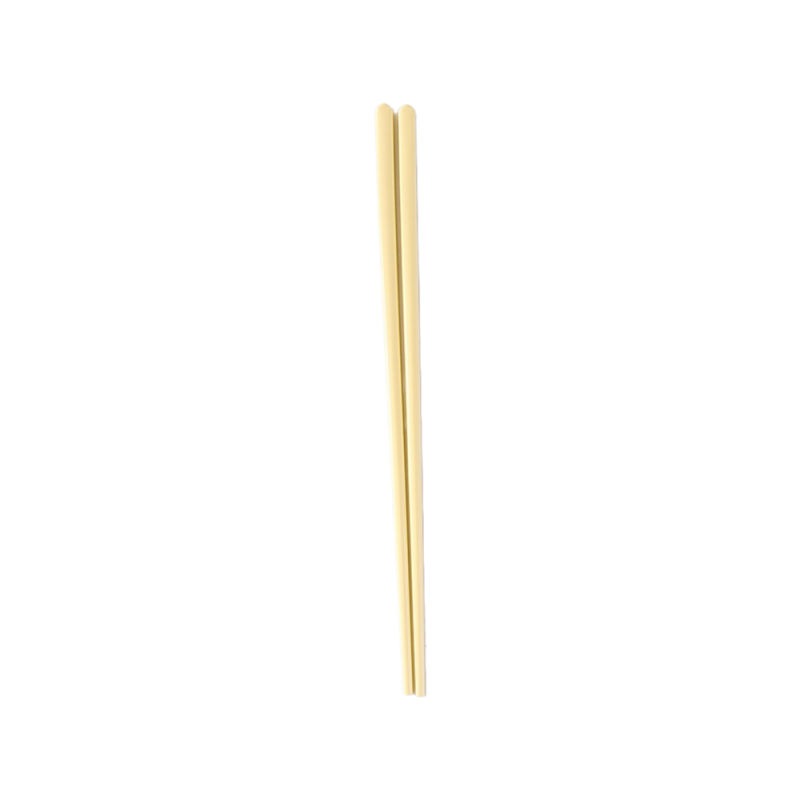
Products in this guide: Ceramic Rice Bowl · Cream Style Chopsticks Set
This guide covers the trade-offs of each strategy, the category rules that decide which to use, and the portfolio logic that keeps a supplier base healthy.
The Single-Source Case
Concentrating volume with one factory buys three things:
- Price: volume concentrates negotiation power. A factory that gets your full ceramic program prices differently than one that gets a share.
- Consistency: one glaze line, one QC standard, one set of molds — the same spec across every order, because the same people make it.
- Priority: capacity reservations, faster samples, first look at new programs. A factory that sees you as its anchor buyer treats your orders differently.
The cost of single-sourcing is concentration risk: the factory's kiln downtime, a capacity crunch in peak season, a quality slip, or a price rise is your problem with no alternative in hand. And the factory knows it — the leverage in a single-source relationship drifts toward the supplier over time.
The Multi-Supplier Case
Splitting volume across two or three factories buys three different things:
- Risk diversification: one factory's failure — capacity, quality, price, closure — is absorbed by the others. The business keeps shipping.
- Negotiation leverage: the factories know the split can shift. The threat of moving volume is real, and it keeps prices honest.
- Capability access: different factories have different strengths — one glaze, one decoration, one shape family. Multi-sourcing buys the best of each.
The cost is management complexity: multiple QCs, multiple spec sheets, multiple relationships, and the risk of inconsistent quality between factories on the same product. And splitting volume dilutes the single-source price and priority benefits.
The Category Rules
The decision is per category, and four rules cover most of it:
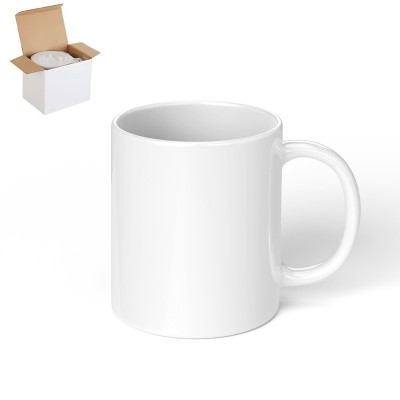
Rule 1: Standard, high-volume lines → dual-source. Blank mugs, standard plates, everyday bowls — the volume SKUs that run year-round. Two approved factories each get a share, and the split (60/40, 70/30) can shift with performance (see our supplier scorecard). Standard lines are easy to duplicate, so the risk of splitting is low and the leverage gain is high.
Rule 2: Custom or branded hero products → single-source. Your signature shapes, your private-label hero SKUs, the products with your molds and artwork. These are single-sourced because the molds, the QC standard and the design belong to one factory — and splitting them would split your brand standard. The protection is the contract: mold ownership, artwork exclusivity, and a defined second-source path if the factory fails (see our contract guide).
Rule 3: Seasonal or promotional programs → opportunistic. Seasonal lines (holiday, themed) can move between factories each season — the buyer quotes the program to the approved pool and awards the best combination of price and capacity. This is multi-sourcing with zero loyalty, which is correct for products that do not need consistency across years.
Rule 4: New products → start single, qualify a second. A new shape or program starts with one factory (samples, tooling, QC alignment), then a second factory is qualified on the same spec once the design is stable. This captures single-source focus during development and multi-source safety in production.
The Portfolio Logic
The supplier base is a portfolio, and it has a shape:
- One anchor factory holds the custom and hero programs (50-60% of volume) — the strategic relationship.
- One or two supporting factories split the standard volume (30-40%) — the price and risk balance.
- An approved pool of 2-3 alternates quotes seasonal programs and stands ready as second sources (10% or less, exercised when needed).
This shape keeps the anchor relationship deep enough for priority, the standard lines competitive enough for price, and the alternates warm enough to step in. The cardinal error is the opposite shape: many small suppliers with no anchor (no priority, no consistency) or one factory with no alternates (full concentration risk).
The Review Discipline
The strategy is reviewed, not set once. Twice a year, with the supplier scorecard: confirm the split still matches performance; verify the alternates still qualify (samples, audits current); and test the anchor's pricing against the pool — a factory that knows the alternates are real negotiates differently. The buyers who manage sourcing as a portfolio, reviewed on a calendar, are the ones whose margin holds when a factory fails and whose supply holds when the market tightens.
"Sourcing-Strategy-Ready Ceramic Programs"
Explore products featured in this guide:
Have questions? See our Sizes & Finishes FAQ and Ordering & Certifications FAQ.
Need a custom quote? Send an inquiry or browse our full product catalog.