
Onboarding a New Ceramic Supplier: What to Verify Before the First Order
The Cost Is Created Before the Purchase Order
A first order rarely fails because the factory is bad. It fails because the buyer assumed a capability that was never checked: the shape that cannot be pressed, the colour that cannot be matched, the volume the kiln cannot absorb in the required month.
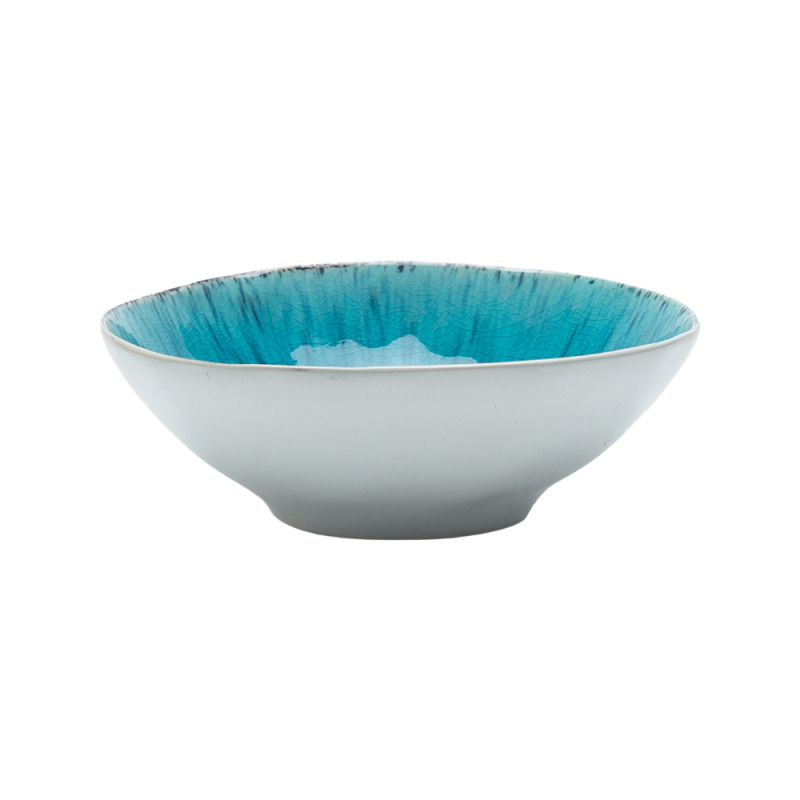
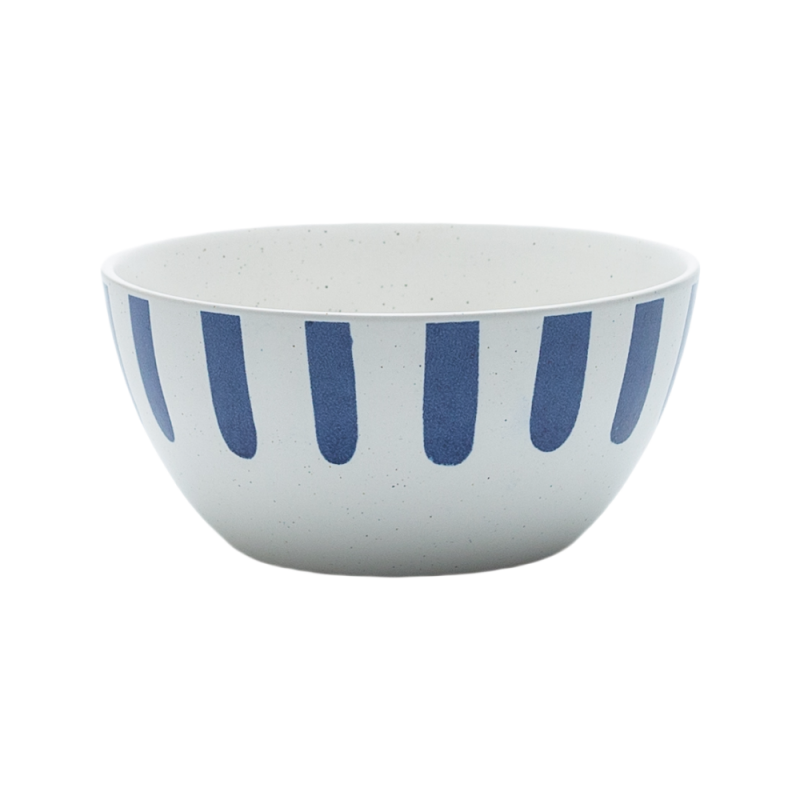
Products in this guide: Crackle Glaze Ceramic Bowl · Nordic Blue Brushstroke Ceramic Bowl
Onboarding is the four weeks of questions that prevent the four months of problems. It is not a formality, and it is cheapest done before money moves.
Five Areas, Five Questions
1. Capability — can they make this item at all
- The body. Which bodies do they run, and which one are they proposing for this item? A factory that cannot name its body will not control it.
- The forming method. Pressed, jiggered or cast — and whether the shape you want is suited to the method they use.
- The decoration. Which decoration types they run in-house and which are subcontracted. Subcontracted decoration is fine, but it must be known, because it adds a lead time and a quality owner.
- The accessories. Lids, gaskets, saucers — made in-house or sourced, and by whom.
2. Capacity — can they make it when you need it
- Production slots. How capacity is booked and how far ahead.
- Seasonal reality. What happens to lead times in the months before the peak, and around Chinese New Year.
- Their other customers. Not names, but the shape of their order book: are you a large or a small customer for them, and does that change your priority?
3. Quality system — is quality a process or an opinion
- Retained samples. Do they keep sealed, dated references? This single question distinguishes a process from a habit.
- Inspection practice. Which AQL level they work to by default, and whether they can work to yours.
- Records. Can they produce an inspection report with counts and photographs, per batch?
- Defect feedback. When something goes wrong, what do they send — an apology, or a cause?
4. Compliance — can they support the market you sell into
- Test reports, with the batch or item they refer to, not a generic certificate.
- Declarations for food contact, and for any accessory material.
- Traceability. Whether a delivered carton can be tied back to a production batch.
5. Commercial — is the deal workable
- Minimum order per design, stated plainly, and whether it changes with the decoration.
- Tooling. Who pays, who owns, and what happens to the tooling if you leave.
- Payment terms, and what they require for a first order.
- Sample cost and policy — charged, credited, or free, and against what.
The Staged First Order
The reliable way to onboard is in three steps, each of which can stop the process:
- Sample. One item, made to your specification, approved in writing against a physical reference.
- Pilot order. A small but real order — enough to run their production, packing and documentation as they will for a full order, and small enough that a failure is affordable.
- Scale. The full programme, with the approved sample and the pilot's records as the baseline.
Skipping the pilot is the most common false economy: the sample is made carefully, the first bulk order is made normally, and the difference between the two is the entire risk.
Red Flags Worth Acting On
- Cannot state the body or its water absorption.
- Cannot state a shrinkage band for the forming method.
- No retained samples, or samples that cannot be found.
- Test reports without an item or batch reference.
- A first order that must be paid in full before any sample approval.
- Vagueness about who makes the lid, the decoration or the tooling.
None of these is automatically disqualifying. Together, they describe a supplier who will be difficult to hold to a specification.
For the surrounding decisions, see <a href="https://www.storiwareceramicmugs.com/oid1757203/The-Custom-Mug-Programme-Buyer-Guides-by-Decision.htm">the custom mug programme guides</a>, which sequence the development and commercial questions, and <a href="https://www.storiwareceramicmugs.com/oid1756907/Cooperation-Models-How-to-Work-With-Our-Ceramic-Factory.htm">our cooperation models</a> for how programmes are structured. Our <a href="https://www.storiwareceramicmugs.com/products2147420/Custom-Ceramic-Mugs-Cups.htm">ceramic mugs and cups</a> range is quoted with the body and process specification stated per item, and the <a href="https://www.storiwareceramicmugs.com/oid1756307/Custom-Ceramic-Mugs-Bulk-Order-Factory-Direct-from-China.htm">bulk order programme</a> explains how sampling, pilot orders and production are scheduled. To start an onboarding conversation, <a href="/contact-us.htm">send the item, the market and the volume you expect</a>.
The spec freeze guide explains how artwork and packing files are locked between orders.
What to Put in the Onboarding File
- The body and forming method for each item, named.
- The capacity booking and seasonal lead times, stated.
- Retained sample practice, and the inspection level they work to.
- Test reports with item or batch references.
- MOQ, tooling ownership and payment terms, in writing.
- The staged plan — sample, pilot, scale — with a written approval at each step.
The packaging guide explains how retail-ready and protective layers are specified together.
The Habit That Ties It Together
The habit is to ask what the factory cannot do. Capability questions get honest answers; only assumption gets silence.
Related Products
Explore products featured in this guide:
Have questions? See our Sizes & Finishes FAQ and Ordering & Certifications FAQ.
Need a custom quote? Send an inquiry or browse our full product catalog.

