OEM Long-Term Partnerships: How Brands and Factories Build Annual Ceramic Programs
The Difference Between a Vendor and a Partner
Every brand buys mugs. Some buy from vendors — one order, one negotiation, one more product. Others build partnerships — a factory that holds their molds, knows their quality bar, prices their volume and becomes an extension of their supply chain. The second path is not sentiment; it is economics. A long-term OEM partnership removes the three costs that eat brand margins: re-qualification (re-sampling and re-testing every time you switch), quality drift (a new factory starts from zero knowledge of your spec), and leverage loss (a partner with your annual volume quotes differently than a stranger with one order).
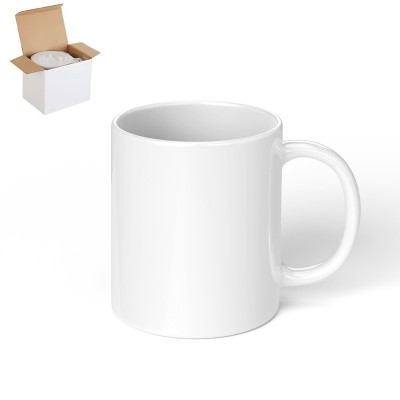
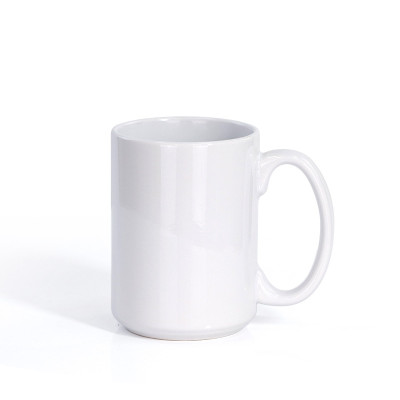
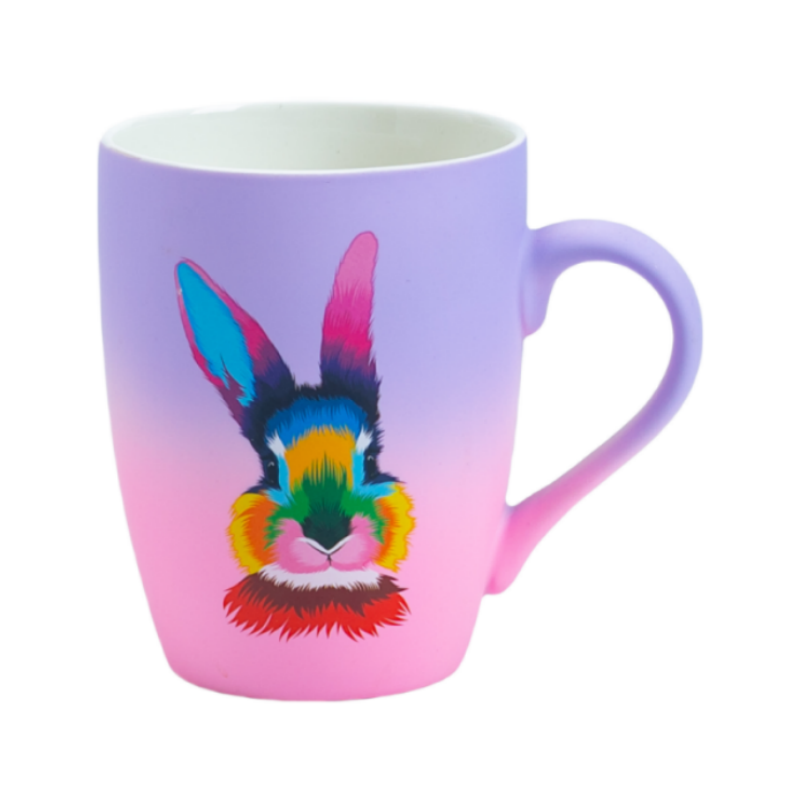
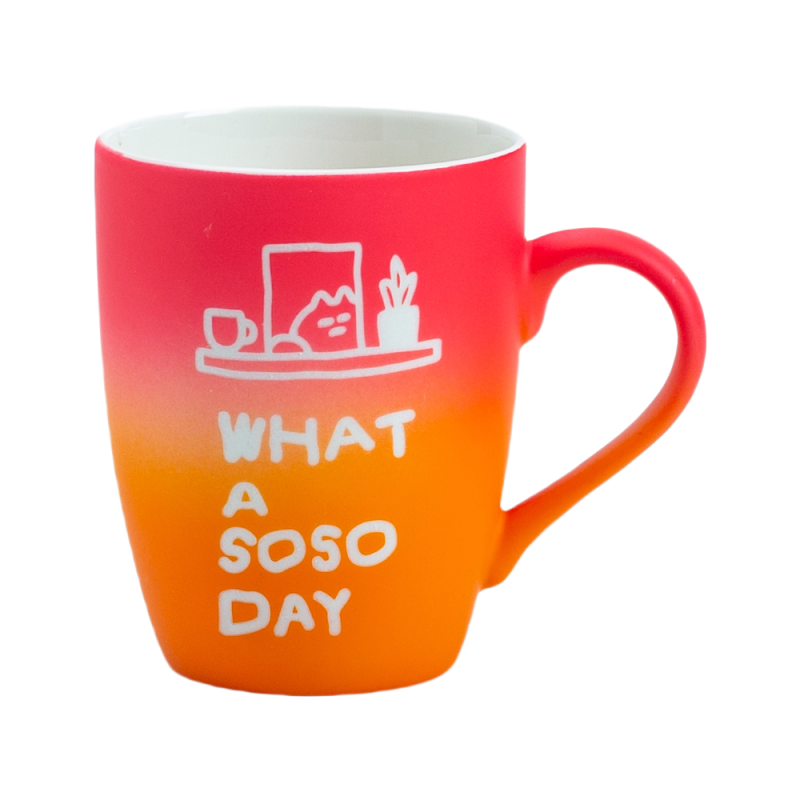
Products in this guide: Custom Printed Ceramic Mug · Gradient Ceramic Mug
This guide maps the four stages of a brand-factory OEM partnership, and the agreements that make it hold.
Stage 1: Sampling — The Foundation of Trust
The first stage is not about price; it is about whether the factory can hit your spec. Send a full requirement — drawings or reference photos, capacity, glaze, decoration, packaging, compliance target — and evaluate the sample against the spec, not against the photograph. Test three things in the sample: does it match your brand colors (PMS or Pantone), does the decoration survive dishwasher cycles, and does the piece match across multiple samples from the same batch? A factory that delivers a consistent first sample is a candidate for partnership; one that needs three rounds for a basic spec is a vendor, not a partner.
Stage 2: Testing — Compliance and Consistency
Before committing volume, confirm the factory can hold compliance and consistency over time. Require test reports for the exact product and decoration (LFGB/FDA/REACH per your market), and run a pilot batch — a small production run, not just samples — to verify batch-to-batch consistency, glaze behavior at scale, and packaging quality. The pilot is the cheapest way to discover problems that samples cannot show. It also gives you the production-line samples your retailer customers may independently test.
Stage 3: Production — The Rhythm of Reorders
A partnership lives in the reorder rhythm. Establish at this stage: standard lead times and how they shift with volume; a fill-in order mechanism for stock-outs; and a seasonal capacity pre-booking (lock production slots before the peak, not during it). Agree on the quality-control checkpoints — inline inspection points, AQL sampling, and the documentation sent with each shipment. The goal is a reorder process that runs without renegotiating everything each time.
Stage 4: The Annual Agreement — Locking the Economics
The final stage is the annual framework agreement, which should cover five things in writing:
- Mold and artwork ownership. Who owns the mold, where it is stored, and what happens to it if you switch suppliers. Written mold ownership is the single most important clause for a brand.
- IP protection. Non-disclosure and exclusivity terms: the factory must not reproduce your designs for other buyers, and must protect your artwork.
- Volume pricing and price review. Annual volume tiers with agreed review points — a price formula (e.g., adjusted annually on agreed cost drivers) beats renegotiating from scratch.
- Quality and liability terms. Defect rates, return terms, and liability for non-compliant batches.
- Capacity commitment. The factory's commitment to reserve capacity for your seasonal peaks, in exchange for your volume commitment.
What Makes Partnerships Fail — and Survive
Failures usually trace to three things: mold ownership not written down, quality drifting because there is no re-verification point, and price friction because there is no review mechanism. All three are preventable by the annual agreement and by treating the relationship as a program, not a purchase.
Survivals share the opposite habits: written ownership, periodic re-verification (a re-audit of spec and compliance every 6-12 months), and honest volume forecasting — the brand commits to a range, the factory prices against it, and both adjust when reality differs.
The Partnership Checklist for Brands
- Sample against the spec — colors, dishwasher durability, batch consistency.
- Run a pilot batch before committing volume.
- Confirm compliance reports for the exact product and decoration.
- Agree reorder mechanisms and seasonal capacity pre-booking.
- Sign an annual agreement covering mold ownership, IP, volume pricing, quality and capacity.
A Factory Built for Brand Partnerships
A brand's OEM partner needs the same long-term posture the brand has: archived molds and artwork, stable batch-to-batch quality, documented compliance for every market, and capacity management that protects seasonal programs. That is how our factory operates — we hold patterns for years, re-verify quality at agreed checkpoints, and structure annual programs with volume pricing. If you are building a brand's ceramic program, send us your spec and projected annual volume; we will quote the partnership structure, not just the first order.
The next step for most buyers is a quotation: our bulk order page starts with specification and target quantity.
"OEM-Ready Mug Programs"
Explore products featured in this guide:
Have questions? See our Sizes & Finishes FAQ and Ordering & Certifications FAQ.
Need a custom quote? Send an inquiry or browse our full product catalog.