Negotiating Ceramic Prices: Preparation, Concessions and the Leverage That Actually Works
The Price Is Negotiated Before the Meeting, Not During It
Most buyers walk into a price discussion with a hope — "I'd like a better price" — and leave with whatever the factory offered. The negotiators who move the number do not hope; they prepare. The price conversation in ceramic sourcing is won in the preparation: knowing the target, knowing the walk-away point, knowing where the factory's costs sit (see our quotation guide), and knowing what leverage is actually in the buyer's hands. This guide covers the preparation, the concession structure and the leverage that works.
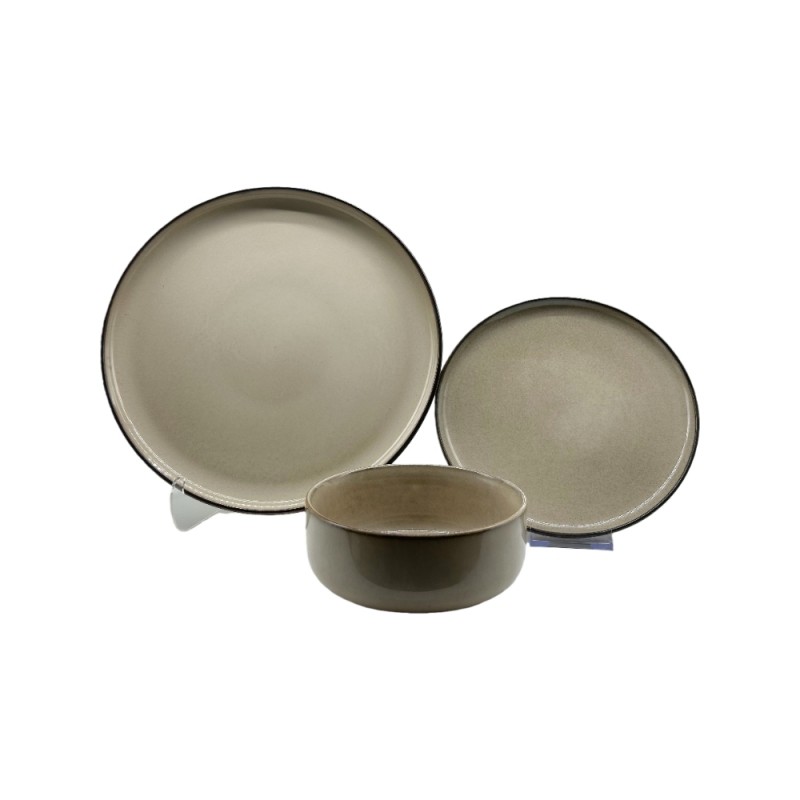
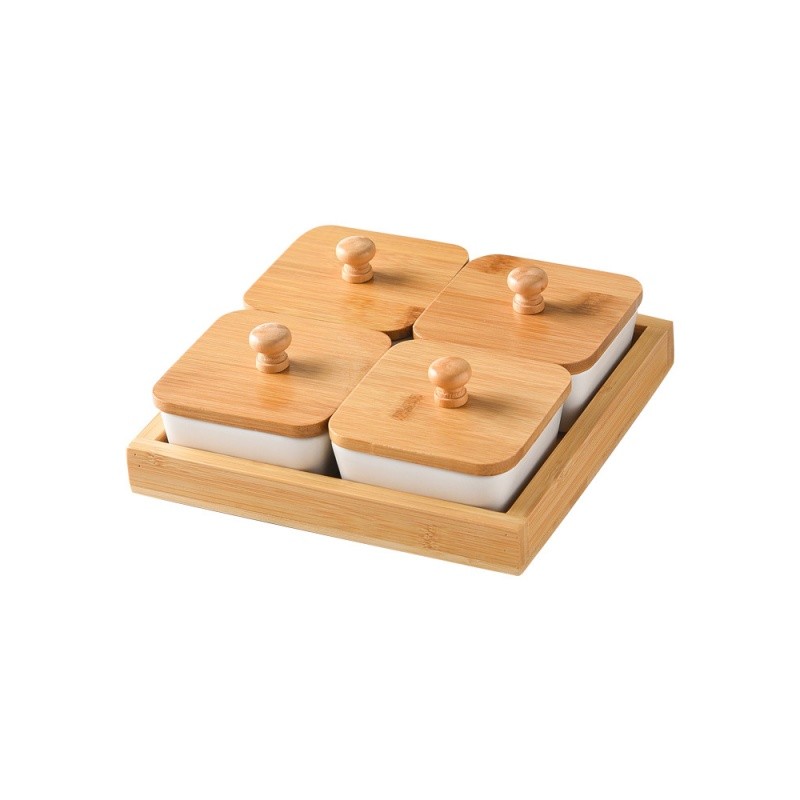
Products in this guide: 3-Piece Reactive Glaze Dinner Set · 4-Piece Snack Bowl Set
Preparation: The Three Numbers
Before any price discussion, write down three numbers:
- The opening ask: the price you want to anchor the discussion — set slightly below your target, because every negotiation starts with a number and the first number sets the range.
- The target: the price you genuinely want — the one that makes the program work for you. This is what you are negotiating toward, not the ask.
- The walk-away: the price at which the deal stops making sense — your BATNA (best alternative to a negotiated agreement) threshold. Knowing it means you never accept a bad deal because you did not prepare; the walk-away is the difference between negotiating and hoping.
Know Their Costs
The factory's quote has structure (see our quotation guide), and the structure is the negotiation map. Before the meeting, know: the decoration layer (the biggest lever — what simplification costs), the packaging layer (standardization savings), the volume breaks (quantity discounts), and the terms they value (cash flow, certainty). A negotiation that asks "reduce the price" is weak; one that says "we can simplify the decoration from four colors to two and take the standard box, what does that price look like?" is a negotiation that moves the number.
The Concession Structure
Concessions are traded, not given. The structure:
- Never concede alone. Every price concession is exchanged for something: a higher MOQ, a longer payment term, a firm annual volume, a longer contract. "Lower the price and we'll commit to 50,000 pieces this year" is a trade; "please lower the price" is a gift.
- Concede in steps, not jumps. A 5% ask answered with 5% is a gift; answered with "we can do 1.5% with a volume commitment" is a negotiation. Small steps signal the factory that each concession costs something.
- Anchor the trade, not the price. The factory's counter will focus on the price — redirect it to the structure: "the unit price works if we get the quantity break, the standard packaging, and the terms." The buyers who negotiate the whole program get better prices than the ones who negotiate only the number.
The Leverage That Actually Works
Four sources of real leverage in ceramic sourcing:
- Volume and commitment. The strongest lever: a firm volume or an annual agreement buys a lower price because it buys the factory certainty. A factory discounts certainty — that is what the contract (see our contract guide) and the booking plan are for.
- Alternatives and the pool. The credible threat of moving volume to a qualified second source (see our single-source vs multi-supplier guide) keeps the price honest. The threat must be real — a factory that knows the alternates are qualified negotiates differently.
- Speed and terms. The factory values cash flow: a larger deposit, faster payment or a longer contract term are concessions the buyer can give that cost little but buy price. Offer terms, not discounts.
- The program, not the product. A buyer who brings a program (multiple SKUs, seasonal repeats, a long horizon) has more leverage than a buyer with a one-off order. The factory prices programs below single orders — negotiate the program.
The Cultural Note
Chinese factory negotiations have a rhythm worth knowing: the first quote often includes negotiating room; the discussion is about the relationship as much as the number; and a "let me check with management" is a normal step, not a stall. Patience and respect — not pressure — are the strongest tools; the factory that trusts the buyer negotiates the best price, because it believes the relationship will repeat.
The Negotiation Checklist
Before the price discussion, confirm: the three numbers are written (opening ask, target, walk-away); the factory's cost structure is known (decoration and packaging levers, volume breaks); the concessions are pre-planned as trades (volume, terms, contract for price); the leverage is verified (volume commitment, qualified alternates, speed and terms); and the conversation is framed around the program, not the number. The price is negotiated before the meeting — the buyers who prepare the numbers, the structure and the leverage are the ones who leave the meeting with a price that holds.
"Negotiation-Ready Ceramic Programs"
Explore products featured in this guide:
Have questions? See our Sizes & Finishes FAQ and Ordering & Certifications FAQ.
Need a custom quote? Send an inquiry or browse our full product catalog.