
Naming Bodies and Building a Catalogue: The Discipline Behind a Range That Stays Orderable
The Problem: A Range Everyone Describes Differently
Ask three people in a ceramic programme which mug they mean and you may get three answers: "the 11-ounce one", "the latte one", "the one with the handle we liked in April". Verbal naming works until the second order, and then it produces mismatched deliveries — a body that is nearly what the buyer wanted, in a decoration nearly the right colour. The remedy is not enthusiasm; it is architecture. A named body, a coded variant and a written specification sheet turn a set of products into a range that can be reordered by reference.
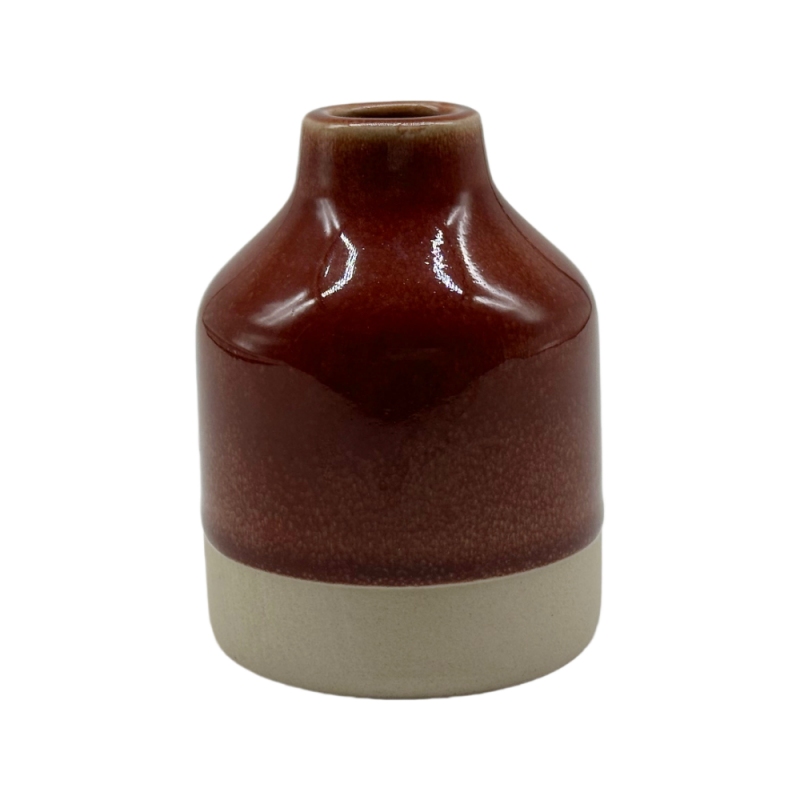
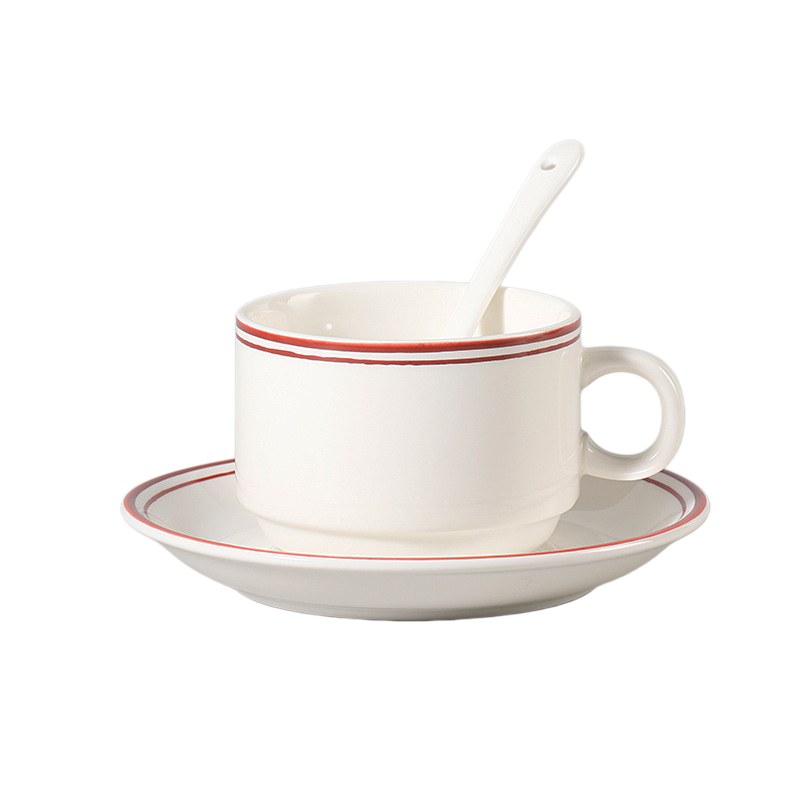
Products in this guide: Modern Ceramic Planter and Vase Set – Glazed Terracotta and Beige Accent · Custom Coffee Cup and Saucer
Where This Fits in the Sourcing Chain
Naming is specification infrastructure: it is what makes a specification survive staff changes on both sides. The spec freeze guide explains how artwork and packing files are locked between orders. Where names appear on packaging or shelf labels, the same convention has to carry through to print. The packaging guide explains how retail-ready and protective layers are specified together. The full chain follows the standard sourcing map. See the full ceramic sourcing process map.
The Naming Convention That Works
Four elements, in a fixed order. A body name — short, pronounceable, and not descriptive of a competitor's product. "Marlow" survives a decade; "the 11oz classic white mug" does not, because the next version will be 10.5 ounces. A code used internally and on drawings, so that the factory, the buyer and the forwarder refer to the same object. A variant element for decoration, colourway or handle, kept as a separate code rather than folded into the name. A capacity figure stated once in the sheet rather than in the name, so that a capacity adjustment does not invalidate the range.
The principle behind all four: the name should describe identity, not attributes. Attributes change; identity should not.
The Catalogue Structure
Four disciplines make a catalogue usable. Group by body, then by variant, so that a buyer scanning the sheet sees the range's logic rather than a flat list. One row per orderable item, with the code, capacity, weight, material, decoration method and packing quantity — the figures a buyer needs to place an order without asking. Images named and filed to match the codes, because a photograph that cannot be matched to a code is decoration, not documentation. And a stated version number and date on the sheet, because an undated sheet is indistinguishable from a wish.
Version Control, Applied to a Range
Three rules. Every change produces a new version, with the reason recorded in a line: "thickness tolerance tightened after the August complaint" is a sentence that saves an argument later. The old version is retained, because a dispute about a previous delivery is answered by the specification that was current at the time. And both parties hold the same current version, which sounds obvious and fails in practice whenever one side updates quietly.
What This Buys Commercially
Four returns, none of them glamorous and all of them real. Reorder speed: an order placed by code takes minutes rather than an email chain. Fewer errors: the wrong-body delivery is almost always a naming failure rather than a production failure. Better pricing conversations, because a consistent specification is a comparable one. And the ability to change supplier without losing the range, since the specification, not the relationship, is what defines the product.
The Habit That Ties It Together
The habit is to name things early, in writing, and to treat the catalogue as part of the product. Programs that do this build ranges that outlast the people who launched them — which is the quietest form of commercial durability available.
Related Products
Explore products featured in this guide:

Have questions? See our Sizes & Finishes FAQ and Ordering & Certifications FAQ.
Need a custom quote? Send an inquiry or browse our full product catalog.