Multi-Factory Order Scheduling: How Big Buyers Coordinate Capacity Across Suppliers
The Second Half of Multi-Sourcing
Choosing multiple factories (see our single-source vs multi-supplier guide) solves the supply question — and creates a scheduling one: who makes what, when, and what happens when one line slips. A multi-factory portfolio without a scheduling system is just more suppliers to chase; with one, it is a production machine. This guide covers the capacity calendar, the allocation rules, cross-factory consistency and the switch process.
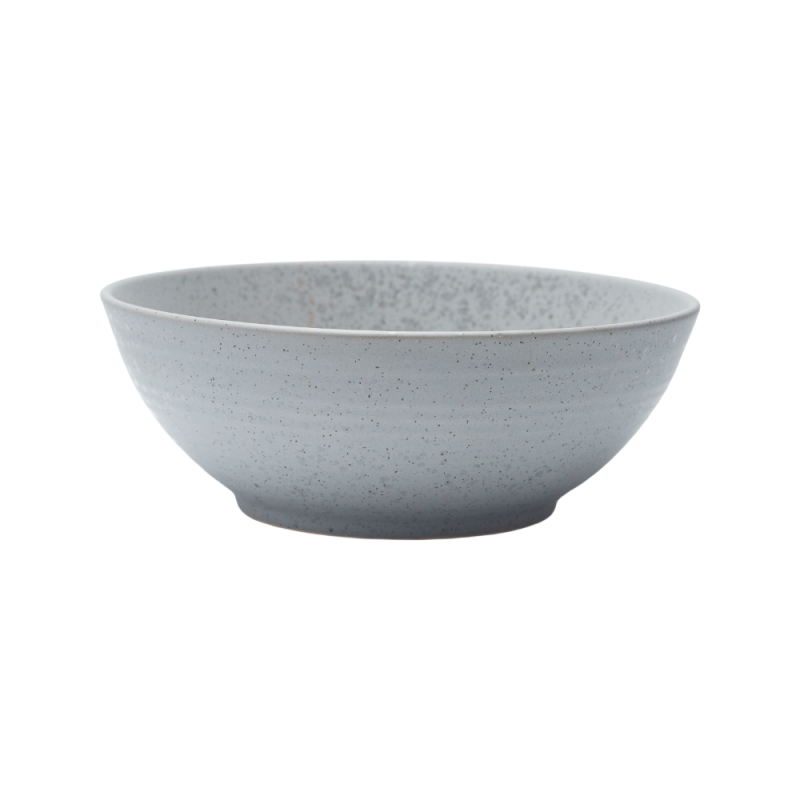
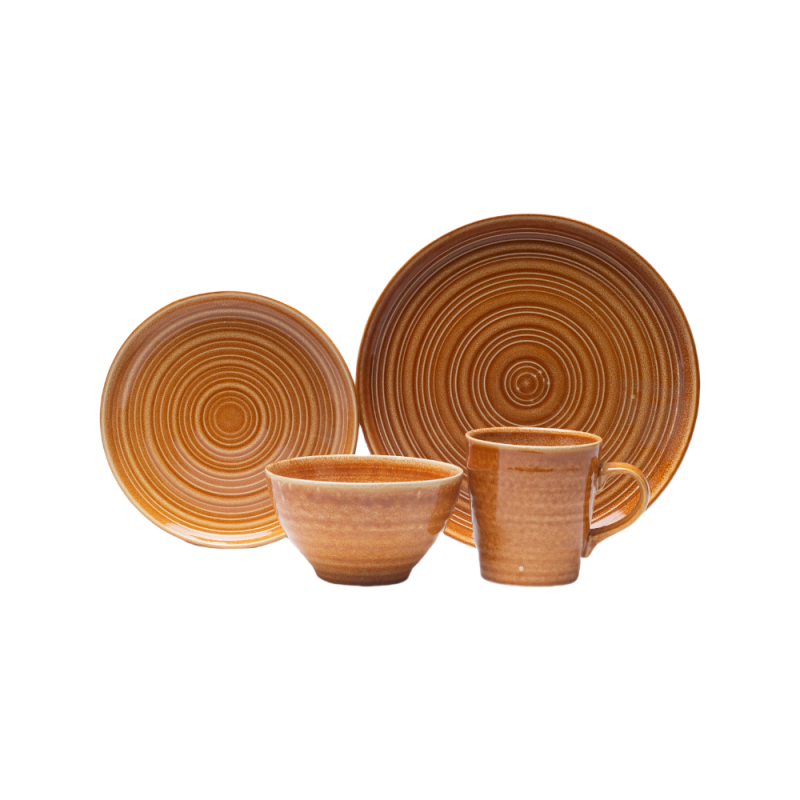
Products in this guide: Nordic Matte Speckled-Glaze Stoneware Bowl · Vintage Caramel Brown Stoneware 4-Piece Set
The Capacity Calendar
The core tool is a per-factory capacity calendar: for each factory, the booked weeks, the free capacity, and the seasonal peaks and closures (kiln maintenance, Chinese New Year — see our contingency guide for the disruption angle). The calendar answers three questions at a glance: can this order fit here this month? Which factory has slack when the peak hits? And where does the next quarter's volume actually go?
The practical rule: keep the calendar factory-side and buyer-side, reconciled monthly — the factory knows its real capacity, the buyer knows the real demand, and the monthly reconciliation is where surprises get caught before they become delays.
The Allocation Rules
The portfolio splits by role (see our multi-supplier guide for the roles): the anchor factory takes the 50-60% running volume, the support factories take 30-40% of volume plus specific product families, and the alternates stay qualified but lightly used. The scheduling rules follow:
- Anchor gets the steady runs: the repeat SKUs with stable specs go to the anchor, where consistency and pricing are best.
- Support gets the families: each support factory owns product families it is strongest at (a bowl specialist, a mug specialist), so the scheduling matches factory strength to product.
- Alternates get the overflow and the tests: peak overflow and new-product trial runs go to the alternates, keeping them current without betting volume on them.
Cross-Factory Consistency
The risk of multi-factory sourcing is that the same SKU comes out different from different factories — glaze shade, wall thickness, handle shape. Three controls keep the portfolio consistent:
- A shared spec sheet: the same dimensions, tolerances and glaze reference go to every factory (see our color guide for lab dips and our standards guide for tolerances) — the spec is the contract, not the memory.
- Match the SKU to one factory: where possible, a running SKU stays with one factory; split SKUs (the same design from two factories) are the exception, for volume reasons, and need extra QC attention (see our inspection guide).
- A quarterly cross-check: pull samples from each factory and compare them side by side — the comparison catches drift before it becomes a customer complaint.
The Switch Process
When a factory slips (delayed line, quality issue, capacity squeeze), the switch should be a procedure, not a crisis: confirm the slip against the calendar; check the alternate's capacity and its sample match against the shared spec; place a controlled transfer order (small first, see our new-factory guide) with the spec sheet attached; and inspect the first transfer batch tightly (see our inspection guide). The switch is routine when the spec sheet and the qualified alternate exist — and a scramble when they do not.
The Multi-Factory Scheduling Checklist
Before the next quarter's plan is locked, confirm: the capacity calendar for every factory is current (booked, free, seasonal); the allocation follows the role rules (anchor 50-60%, support by family, alternates for overflow); every running SKU has a single owning factory or an explicit split with extra QC; the shared spec sheet is the reference for all factories; and the switch procedure is written and tested. Multi-factory sourcing pays off only when the scheduling discipline is real — the portfolio is the strategy, and the calendar is how it executes.
"Scheduling-Ready Ceramic Programs"
Explore products featured in this guide:
Have questions? See our Sizes & Finishes FAQ and Ordering & Certifications FAQ.
Need a custom quote? Send an inquiry or browse our full product catalog.