Mold Ownership and IP Protection: Who Really Owns Your Custom Design
The Design Is the Asset
A custom mold is not a cost - it is the asset that makes your product yours. The buyer who pays for a mold without agreeing who owns it has paid for a competitor's advantage: the factory can produce the same shape for anyone who asks, and the design that was supposed to be exclusive quietly becomes a catalog item. This guide covers the four agreements that protect custom ceramic designs - mold ownership, exclusivity, design copyright and the transfer process - and the clauses to put in writing before the first sample.
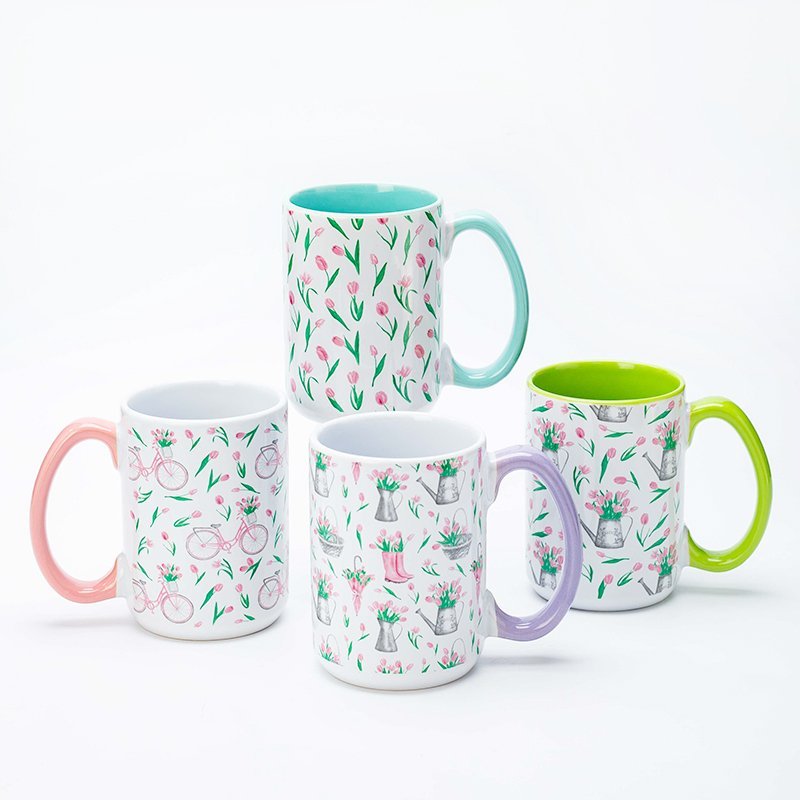
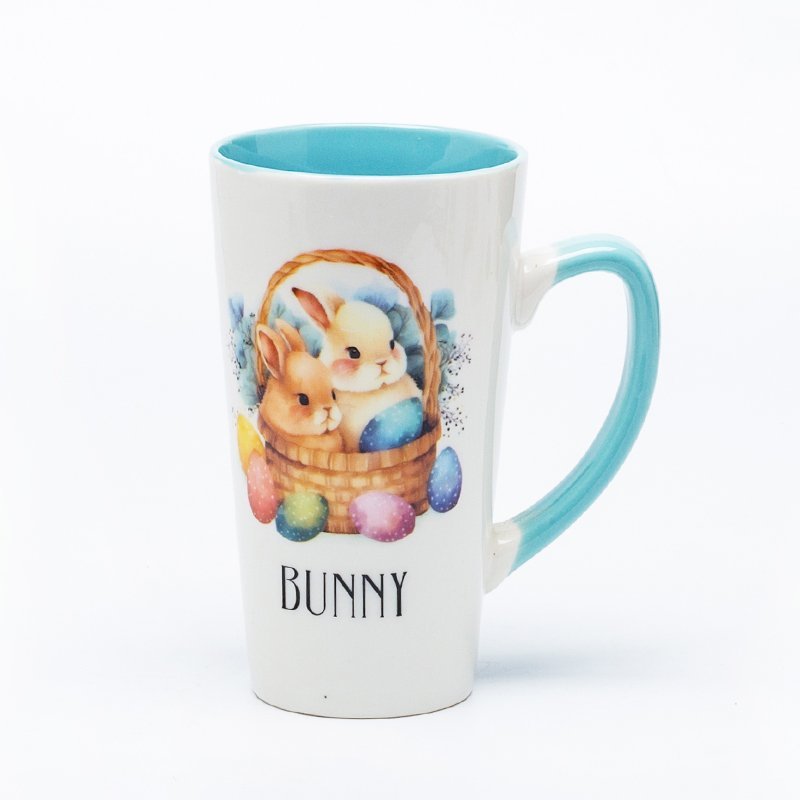
Products in this guide: Ceramic Decal Printing Fresh Floral Mugs · Easter Bunny Tall Ceramic Mugs
The Mold Ownership Clause
The ownership question is settled in writing before the mold is cut, not after. The standard structure: the buyer pays for the mold, the buyer owns the mold, and the factory holds it for the buyer's production only. The clause names the parties, the mold, the payment, and the obligations: the factory stores the mold in its own name, uses it only for the buyer's orders, and returns or destroys it on request (the mold-transfer checklist below is the enforcement tool). If the factory's standard terms say the mold belongs to the factory, the price of the mold is effectively the price of renting a design you never own - negotiate the clause or walk away.
The Exclusivity Agreement
Ownership protects the shape; exclusivity protects the market. An exclusivity clause says the factory will not produce the buyer's design for any other customer, in the buyer's markets or at all, for a defined period. The clause defines the scope (which design, which markets, which duration), the renewal and the breach remedy - because exclusivity without a consequence for breach is a statement of intent, not a protection. If full exclusivity is more than the order volume justifies, a time-limited exclusivity - exclusive for the first twelve months, open after - is the common middle ground (see our framework-agreement guide for the annual structure around it).
Design Copyright and the Transfer Process
The design itself - the artwork, the decal, the shape drawing - is protected by copyright the moment it is created, and the buyer should own it or license it in writing. The clause transfers or licenses the design files, forbids the factory from using them for other customers, and survives the end of the relationship. And because ownership on paper is only as good as the enforcement, the transfer process is written down too: the buyer's mold tag (the metal plate or stamp identifying the owner) is fixed to every mold, the factory's mold register lists each mold with its owner, and when the relationship ends, the molds are shipped to the buyer or destroyed in front of a witness with a written confirmation - the same discipline as the paper trail in our trade-documents and negotiation guides. The buyers who write these four agreements are the buyers whose custom designs stay custom.
Comparing supply routes? Our custom ceramic mug programme page explains what a factory-direct order actually includes.
"Design-Protected Ceramic Products"
Explore products featured in this guide:
Have questions? See our Sizes & Finishes FAQ and Ordering & Certifications FAQ.
Need a custom quote? Send an inquiry or browse our full product catalog.