Mold Engineering for Ceramic Mugs: The Blueprint Behind Your Custom Shape
The Mold Is the Blueprint of the Batch
Every ceramic piece starts as a mold - the shape is decided before the clay touches it, and the mold is where the geometry, the wall thickness and the repeatability of the batch are locked in. For the buyer, the mold is also a quiet cost center and a quiet ownership question: the mold chain decides how much the custom shape costs, how long it lasts and who owns it when the program ends (see our mold-ownership guide for the legal side and our custom-development guide for the process timeline). This guide covers the mold chain, the materials and the lifespan - and the questions that turn a mold conversation into a quotation conversation.
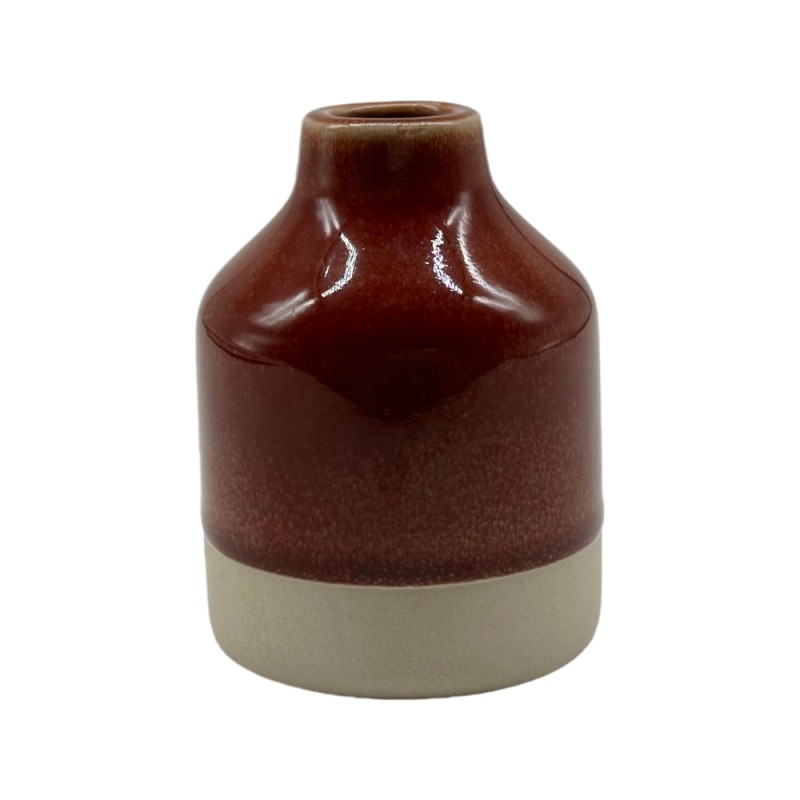
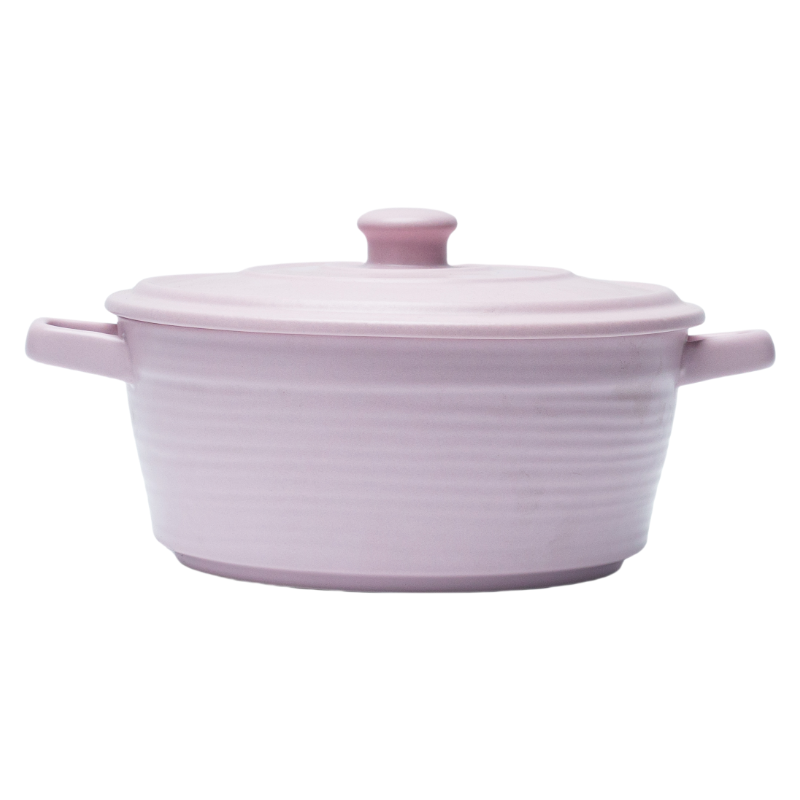
Products in this guide: Modern Ceramic Planter and Vase Set · Stoneware Casserole Dish With Lid
The Mold Chain: Model, Master Mold and Working Mold
A custom shape is made three times before it is made at all. First comes the model - the hand-built or CNC-turned original that defines the shape exactly, often in plaster, resin or even printed material, and the model is the master drawing of the piece (see our design-lock guide for the approval stage that fixes the shape). From the model, the factory makes the master mold - the single reference mold kept for the life of the program, from which all the working molds are cast. The working molds are the molds that actually form the pieces on the production line (see our forming guide for how each method uses the mold); they wear, they are replaced, and they are recast from the master. The rule for buyers: the number of working molds in the line decides the daily capacity - one working mold forms one piece per cast - so the mold count is a capacity number, and the master mold is the guarantee that the shape can be reproduced exactly for the life of the program.
Plaster Molds and the Mold Lifespan
The working molds are almost always plaster. Plaster is cheap, porous (it pulls water from the clay and helps the piece release) and fast to recast - but it is also soft: a plaster mold wears with every cast, and a well-maintained working mold produces clean pieces for roughly 80 to 200 casts before the edges dull and the surface marks appear (see our defect guide for the mold-wear marks and the pinholes that a tired mold leaves). The lifespan depends on the shape - the undercuts and the sharp details wear faster than the simple curves - and on the line's care: the molds that are dried properly, stored standing and handled gently last far longer than the molds that are rushed. The buyer reads the lifespan in two places: the price of the mold set in the quotation (see our cost-modeling guide for the tooling line) and the factory's mold-care practice on the tour - a factory that treats its molds like the tools they are protects the consistency of every batch they make.
What the Mold Conversation Tells the Buyer
The mold is the cheapest place to lock in quality and the most expensive place to change it - so the buyer's questions belong before the tooling is cut. Ask which shapes are standard (no tooling, lowest cost, fastest lead time), which are semi-custom (a standard body with a custom handle or a custom colorway, see our standard-and-custom guide) and which need a new mold set entirely (see our tooling-budget guide for the cost range and the amortization rule). Ask how many working molds the quotation assumes - the mold count sets the capacity, and a quotation that assumes too few molds promises a lead time the line cannot hold (see our lead-time guide for the production math). And ask who owns the master mold - the ownership clause in the contract decides whether the shape stays yours when the program ends (see our mold-ownership guide for the clause language and the transfer process). The buyers who read the mold read the shape, the capacity and the ownership before a single piece is cast - and they pay for the mold once, not for the surprise of a shape that cannot be repeated.
If this article answered the planning question, our custom mug bulk order overview answers the execution one.
"Shapes Built from Precision Molds"
Explore products featured in this guide:
Have questions? See our Sizes & Finishes FAQ and Ordering & Certifications FAQ.
Need a custom quote? Send an inquiry or browse our full product catalog.