
Membership Warehouse Clubs: Fewer Products, Bigger Packs, Display Pallets
The Problem: It Looks Like Grocery and Is Not
A warehouse club appears to be a large supermarket and behaves quite differently. The membership model means the retailer's profit comes partly from fees rather than entirely from margin, which lets it pursue unusually aggressive prices — and it passes that pressure straight to the supplier. The range is deliberately tiny: a handful of products per category, each with its own reason to exist. And the merchandising is the pallet: goods arrive in a display-ready unit and go straight onto the floor. A supplier who approaches a club with a supermarket offer will be asked questions about case dimensions before anything else.
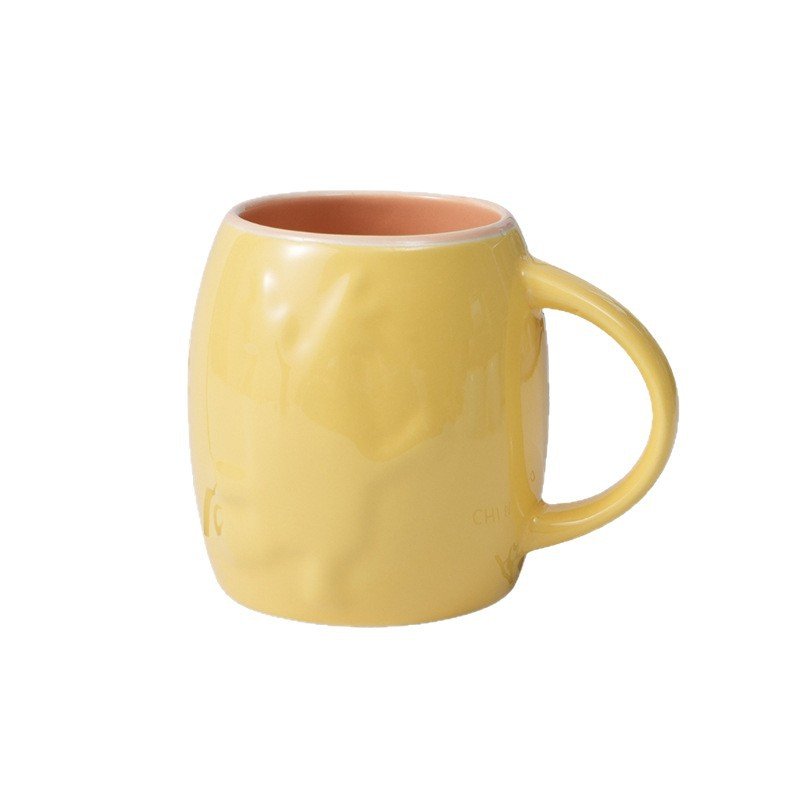
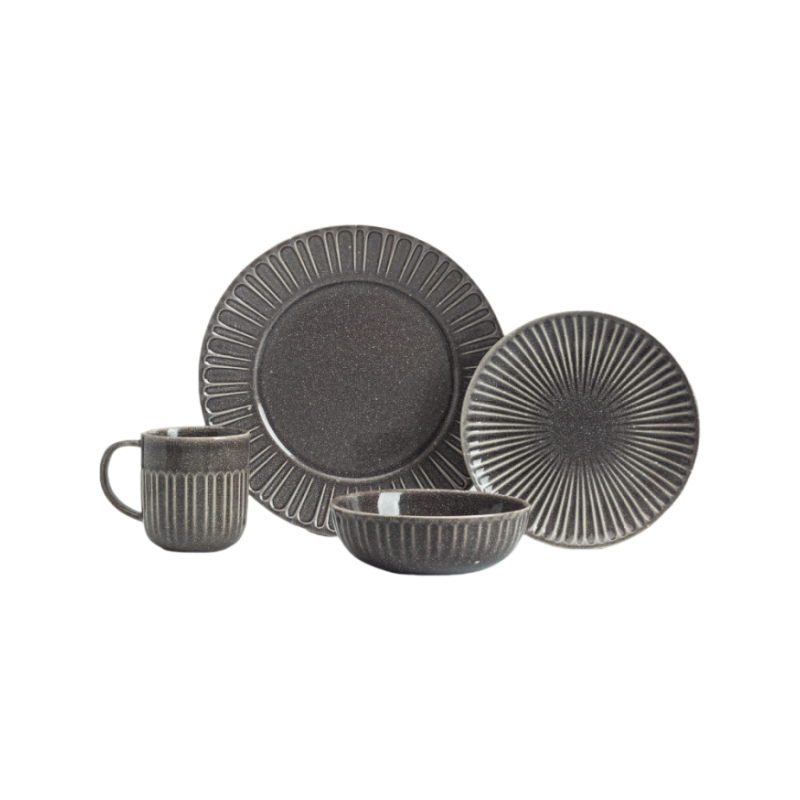
Products in this guide: 3D Embossed Barrel Ceramic Mug 400ml · 500ml Stoneware Ceramic Mug
Where This Fits in the Sourcing Chain
This is a packaging and logistics specification before it is a product one: the display pallet and the case pack must be designed together with the product. The packaging guide explains how retail-ready and protective layers are specified together. The specification itself must be frozen and stable, because a club listing runs for a season or a year and a change mid-listing is a problem. The spec freeze guide explains how artwork and packing files are locked between orders. The full chain follows the standard sourcing map. See the full ceramic sourcing process map.
What the Channel Actually Requires
A club pack. Larger quantities per unit than a supermarket pack — commonly a multi-piece set, so the shelf price looks substantial while the unit price looks low. Sets of four, six or eight are standard.
A display-ready pallet or a club case. Goods arrive stacked on a branded base and are rolled to the floor, or arrive in a case that converts into a display. This is not a presentation preference; it is how the store operates, and it is the requirement most often missed by new suppliers.
Case dimensions and weight that fit the club's pallet and shelf norms. Violating these means the pallet cannot be built to standard height, which reduces the volume per pallet and changes the economics for the buyer.
Barcode, label and data compliance — the correct case and unit barcodes, country-of-origin and material labelling for the destination, and supplier data systems that the retailer's ordering platform can read.
A price that holds. Club buyers negotiate hard and expect the price to remain fixed for the listing period, with no mid-term adjustments.
What the Product Should Be
Three characteristics suit the channel. A set that solves a job — a canister set, a dinnerware starter set, a set of mugs for the household — because clubs sell in bulk to households that are stocking up. A plain, neutral design, because a club buyer is not buying a trend and because the product has to look acceptable to a very wide membership. A robust body and simple decoration, because the merchandising is physical, the handling is rough and the packaging has to survive the floor.
Who Buys, and How Listings Renew
The club's own category buyers, who decide the range, usually on an annual or seasonal review, and who are often supported by a rotational or limited-time programme that gives the category a reason to change during the year. Club vendors and consolidators, who already hold the account and want a ceramic source — the most practical route for a factory without a direct relationship. Private-label programme managers inside the club organisation, where the product is sold under the club's own brand.
A club listing is not necessarily permanent, but it tends to renew where the sell-through data holds: the buyer's decision is made on units moved per store per week, not on design. That is a demanding and, once met, unusually stable form of business. The spec freeze guide explains how artwork and packing files are locked between orders.
The Ordering Pattern
Club ranges are set on an annual or semi-annual review, with the practical calendar running six to nine months ahead of the shelf date. Deliveries are scheduled, and a missed window carries consequences that reach beyond the immediate order. The volume is real and highly predictable — which is exactly what makes the channel worth the discipline it demands. The replenishment calendar maps the ordering windows for the whole year.
The Habit That Ties It Together
The habit is to design the case for the pallet and the product for the household. Programs that do this keep club listings for years. Programs that do not deliver excellent mugs in cases that cannot be merchandised and lose the renewal to a supplier who read the specification.
Related Products
Explore products featured in this guide:

Have questions? See our Sizes & Finishes FAQ and Ordering & Certifications FAQ.
Need a custom quote? Send an inquiry or browse our full product catalog.