Matte vs Glossy Mugs: Which Finish Fits Your Brand
Matte vs Glossy Mugs: Which Finish Fits Your Brand
When buyers choose a ceramic mug, they usually focus on size, shape, and decoration. But the glaze finish — matte or glossy — decides how the mug looks, feels, photographs, and holds up in daily use. It is one of the most underrated decisions in the whole ordering process.
This guide compares the two finishes honestly: what each does well, where each falls short, and how to choose the right one for your brand, your market, and your budget.
What the Finish Actually Is
Both matte and glossy mugs are glazed ceramics. The difference is in the glaze composition and firing:
- A glossy glaze contains more silica and produces a smooth, reflective surface. It is the classic finish found on most commercial dinnerware.
- A matte glaze uses a formulation that leaves the surface with a soft, non-reflective sheen. It can feel smooth like fine sand or silky like chalk, depending on the recipe.
Neither is "better" in general. They are different tools for different products and markets.
The Case for Glossy Mugs
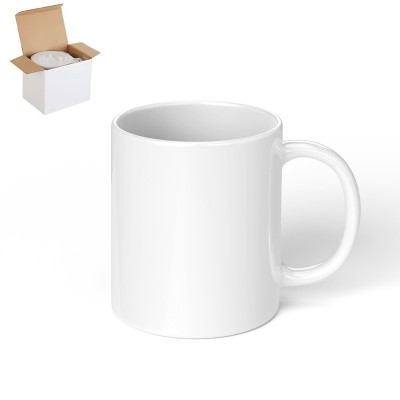
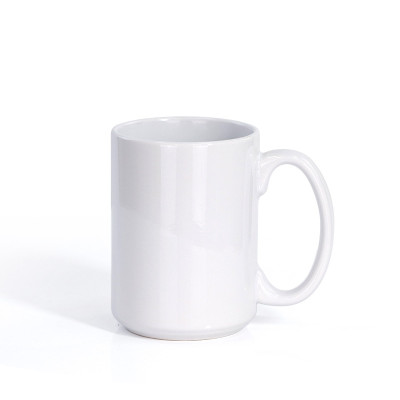
Glossy is the safe, classic choice. It is what most consumers expect from a coffee mug, and it photographs with bright, saturated colors.
Strengths of glossy:
- Easier to clean. The smooth surface resists staining from coffee and tea. Food and oils wipe off more easily.
- More durable under abrasion. Glossy glazes are typically harder, so they show fewer surface scratches over time.
- Vivid decoration. Printed designs, especially full-color sublimation and decals, look brighter and more saturated on a glossy surface.
- Familiar feel. Most people are used to the feel of a glossy mug. It reads as "standard" and "clean."
Weaknesses of glossy:
- Shows fingerprints. The reflective surface picks up marks, which can look less premium in photos.
- Can look generic. In a market flooded with glossy white mugs, it is harder to stand out.
- Feels more industrial. If you want an artisan, handmade impression, glossy works against you.
The Case for Matte Mugs
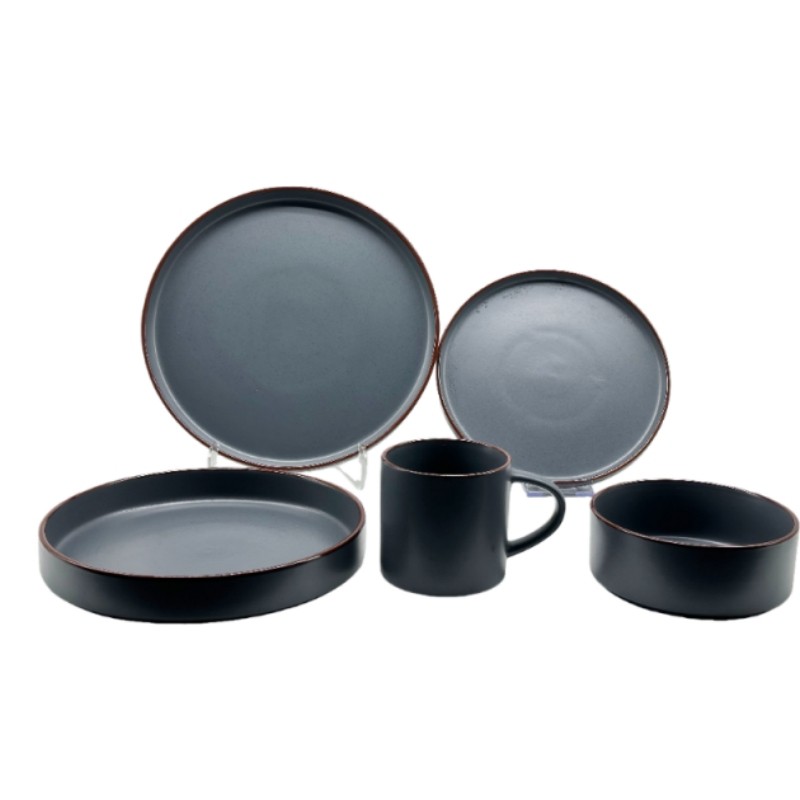
Matte is the trend-forward choice. It dominates the modern café aesthetic, artisan tableware, and the "handmade" look that consumers currently associate with quality.
Strengths of matte:
- Photographs beautifully. Matte surfaces diffuse light, so they avoid harsh glare in photos and short video. This is a huge advantage in e-commerce and social media.
- Premium, artisan feel. A matte mug feels considered and designed. It signals quality to the hand and to the eye.
- Hides fingerprints. The non-reflective surface does not show marks as easily.
- On-trend. The low-saturation, natural-color aesthetic — oat, sage, terracotta — pairs naturally with matte finishes.
Weaknesses of matte:
- More prone to staining. The slightly porous surface can absorb coffee or tea stains over time if the glaze is not sealed well.
- Can scratch more visibly. Some matte glazes are softer and show fine scratches with heavy use.
- Decoration can look flatter. Colors print less vividly than on glossy; the matte surface mutes saturation.
- Harder to clean. Some matte surfaces hold onto oils and need more scrubbing.
Comparison Table
| Factor | Glossy | Matte |
|---|---|---|
| Appearance | Bright, reflective, classic | Soft, diffused, artisan |
| Feel | Smooth, familiar | Silky or chalky, tactile |
| Stain resistance | High | Medium (depends on glaze) |
| Scratch visibility | Low | Higher on soft mattes |
| Print vividness | High | Muted |
| Photo performance | Glare risk | Excellent |
| Trend alignment | Classic / safe | Modern / premium |
| Best for | Sublimation, full-color print, retail staples | Café aesthetic, artisan lines, branding |
Which Finish for Your Product?
Choose glossy when:
- You are printing full-color designs, especially sublimation, and want maximum vibrancy.
- Your mugs go through commercial dishwashing and heavy daily use.
- You want a safe, mass-market product that appeals to the widest audience.
Choose matte when:
- Your brand or market leans toward the modern café or artisan aesthetic.
- Your product will be shown in photos and video where glare hurts the look.
- You want a premium feel that supports a higher price point.
- You are targeting retail buyers who stock "lifestyle" homeware.
A hybrid option. Matte exterior with a glossy interior (or vice versa) is increasingly popular. It gives you the artisan look outside and the easy-to-clean, vivid surface inside where the drink is. If you can afford the extra production steps, this is often the best of both.
Working with Storiware Ceramic Mugs
Storiware Ceramic Mugs produces both matte and glossy mugs, plus two-tone matte-glossy combinations, with custom decoration on either finish.
When you work with us:
- We send samples so you can feel and test the finish before committing
- Our team advises on glaze selection for your printing method and use case
- We match matte shades to your brand colors, including custom glaze development
- Quality control checks stain resistance and glaze durability on every batch
Summary
Matte and glossy are not style preferences — they are functional decisions that affect durability, print quality, cleaning, and photography. Glossy is the safe classic; matte is the modern premium. Choose based on how the mug will be used, printed, and photographed, not just on how it looks in a sample photo.
Test both finishes with your actual decoration, in your actual use case, before you commit to a full order. The right finish will make your mugs sell better and last longer.
Featured Mugs from Storiware Ceramic Mugs
Explore products featured in this guide:
Need a custom quote? Send an inquiry or browse our full product catalog.