Managing the Custom Ceramic Development Pipeline: From Drawing to Production Without Chaos
The Pipeline, Not the Sprint
Custom ceramic development looks like a sequence of requests — a drawing, a sample, a revision — but it is a pipeline with a rhythm, and the buyers who treat it as a pipeline finish on time while the ones who treat it as a sprint finish late and over budget. This guide covers the stages, the decision gates that keep each stage honest, and the version control that keeps a multi-SKU custom program from collapsing into chaos.
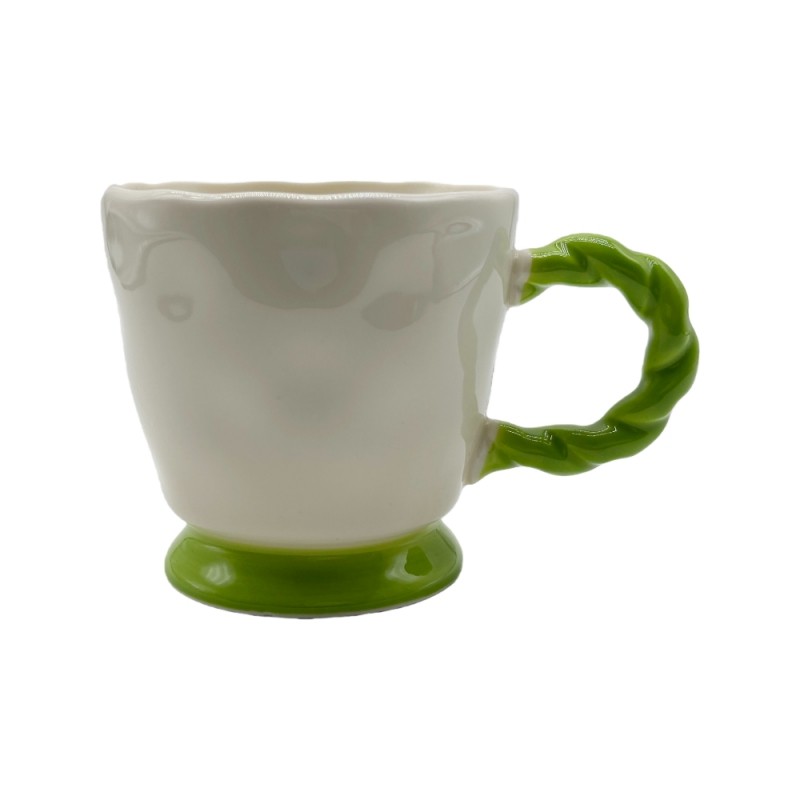
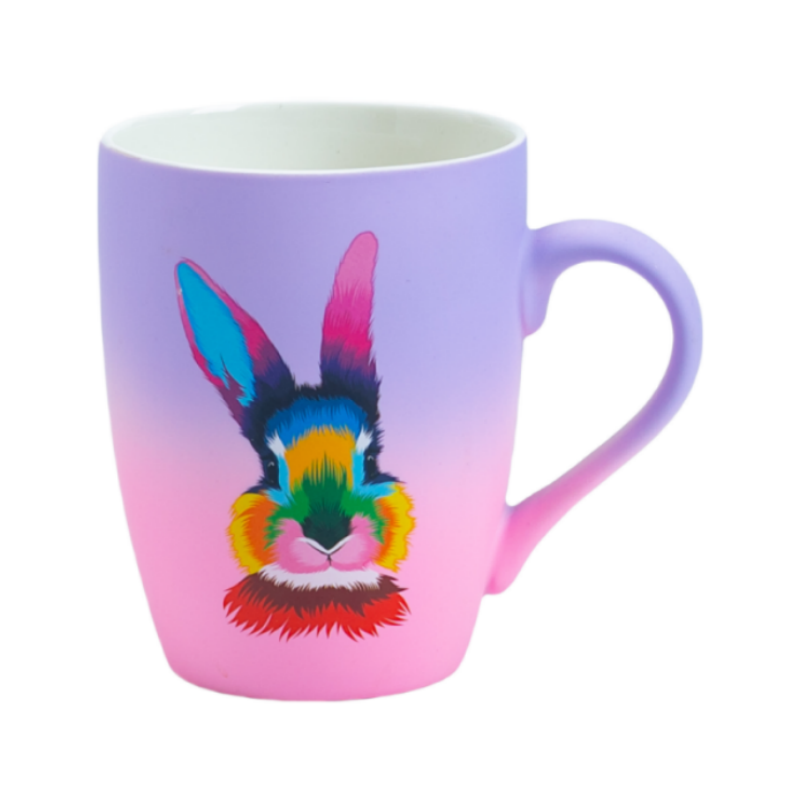
Products in this guide: Custom Design Ceramic Mug with Twisted Handle · Custom Printed Ceramic Mug
The Five Stages
Every custom ceramic project runs the same five stages:
- Design confirmation: the drawing or reference becomes an agreed design — shape, dimensions, decoration placement, glaze direction. This stage ends when the design is written down and signed off, not when it feels agreed.
- Development sample: the 3D file and the first physical sample prove the design can actually be made (see our digital-sampling and sampling guides). This stage ends when the sample matches the signed-off design.
- Pre-production sample: the sample made under production conditions — same clay, same glaze batch logic, same line — proves the design can be reproduced at scale. This is the stage where production surprises surface (see our color guide for glaze consistency).
- Trial production: a small production run validates the line, the QC points and the packaging before committing the full volume.
- Volume production and shipping: the approved spec is locked, production runs against it, and inspection and packaging follow (see our inspection and packaging guides).
The Decision Gates
The pipeline works because each stage has a gate — a formal go/no-go that controls cost and time:
- Gate after design confirmation: design sign-off locks the geometry and decoration. Changes after this gate cost mold and sample time, so the rule is: review on screen and on paper before the gate, not after.
- Gate after the development sample: the physical sample either matches the signed-off design or it does not — and if it does not, the reason (shape, glaze, decoration) decides the next move rather than an automatic revision cycle.
- Gate after the pre-production sample: the production-condition sample is the last cheap gate. Approving it means committing production; every surprise after this gate is expensive.
The discipline: no gate is skipped, and no gate is passed on "good enough" — a sample that is 90% there is a decision, not an approval.
Version Control for Multi-SKU Programs
A custom program with several SKUs turns the pipeline into a matrix, and the matrix needs version control: every design version numbered and dated, every sample version photographed and archived (see our digital-sampling guide for the library), and every approved version linked to the PO so production runs against the approved spec, not the latest idea. The rule that prevents chaos: one approved version per SKU, and any change after approval re-enters the pipeline at the earliest affected gate — a glaze change re-enters at the sample stage, a shape change re-enters at the design stage, and neither is ever applied silently to production.
The Development Timeline
The realistic timeline for a custom ceramic project, from design sign-off: the development sample runs 2-3 weeks; the pre-production sample another 2-3 weeks; trial production 2-4 weeks; and volume production 4-6 weeks before shipping (see our sampling guide for the sample gates and our shipping guide for the freight window). The rule: build the timeline with the factory at the design stage, not at the volume stage — the development clock starts at design sign-off, and the buyers who negotiate the production slot while the sample is still being made are the ones who ship on time.
The Development Checklist
Before the pipeline starts, confirm: the design is written down and the gate criteria are clear (what "approved" means at each stage); the sample cost, timeline and credit are agreed up front (see our sampling guide); the version control is set up before the first sample; the production slot is discussed at design time, not discovered at sample time; and the approved version is locked before volume production. Custom development rewards the pipeline discipline — the buyers who manage the gates own the timeline, and the ones who skip the gates own the delays.
The next step for most buyers is a quotation: our bulk order page starts with specification and target quantity.
"Development-Ready Ceramic Programs"
Explore products featured in this guide:
Have questions? See our Sizes & Finishes FAQ and Ordering & Certifications FAQ.
Need a custom quote? Send an inquiry or browse our full product catalog.