MOQ Strategy for Mug Buyers: How to Start Small and Scale Smart
Our Minimum Is 5,000 Pieces per Design
It is worth stating this before the rest of the article, because in this trade a minimum is often presented as an opening position. It is not. A custom mug order carries the same kiln cycle, the same decoration setup, the same sample and approval process and the same quality checks whether you order 500 pieces or 50,000 — so a short run is priced as a full order without being one. Our minimum is 5,000 pieces per design, and we do not run trial-scale production below it.
Where the Minimum Comes From
Three costs sit behind it, and none of them scales down with quantity:
- Setup — decoration screens, plates or tooling, and the time to make them. A fixed cost per design.
- The kiln — ceramics are fired in batches. A short run still occupies a firing cycle, including the rejects.
- Sampling and approval — a pre-production sample, a retained standard and a first-article check, which exist to protect the order and are not optional.
What Is Genuinely Open to Discussion
The minimum is fixed; how you reach it is not. Four things are worth raising with any supplier, including us:
- Consolidating designs. The minimum applies per design, so the practical question is whether several designs can share a body, a size and a decoration method — which reduces setup rather than reducing quantity.
- Timing. Production slots vary through the year; booking earlier can shorten a lead time, though it cannot lower a minimum.
- Payment structure. Deposit and balance terms are negotiable in a way that quantity is not.
- The sample plan. Which sample type you use, and what it costs, is a decision that affects your cost before production.
How to Prepare a First Order Properly
For a first order at the minimum, the work that pays off happens before the order:
- Decide the item and the design count, because both drive setup.
- Settle the three commercial variables — quantity split by design, decoration method, and Incoterm.
- Approve a pre-production sample, and keep a sealed retained sample.
- Agree the inspection stage and standard before production ends.
If your requirement today is genuinely below 5,000 pieces per design, we are not the right supplier for that order — and saying so now is more useful than a quotation that assumes a quantity you do not have.
When Higher MOQ Is Actually Fine
- You have a confirmed sales channel (a retailer PO, a café chain opening schedule, a promo campaign with a committed quantity).
- The product is a proven seller you have sold before.
- You are pre-selling — customers have ordered before you commit the production run.
- The factory offers consignment or staged release — goods produced but shipped in batches, so cash flow follows sales.
Negotiation Scripts That Work
- "Can we start with 1,000 across two designs, and if the reorder comes within 90 days, do we get the 2,000-tier price?"
- "We can commit to 5,000 over the year — can we split it into three staged deliveries at the 5,000 price?"
- "What is the sample MOQ for a trial run of the decal design before we commit to the full MOQ?"
- "If we consolidate plain and printed mugs into one container, does the combined volume meet your threshold?"
The Reorder Rhythm: Scale Without Overstock
A healthy import program looks less like one big order and more like a heartbeat:
- Hero SKUs: reorder monthly at a fixed quantity (your sell-through × lead time × safety stock).
- Seasonal SKUs: order 9-12 months ahead, one shot, sized to the season window.
- New designs: sample → production at the minimum → measure → reorder or cut.
Track your inventory-to-sales ratio per SKU. If a mug sits longer than its sell-through cycle, cut it from the next order — even if the price was great.
MOQ is not the enemy of a small buyer; it is the factory's way of asking you to plan. Plan the sample, plan the first tier, plan the reorder — and the MOQ conversation becomes your advantage. Need help sizing your first order? Tell us your target market and budget, and we will propose a MOQ structure that fits.
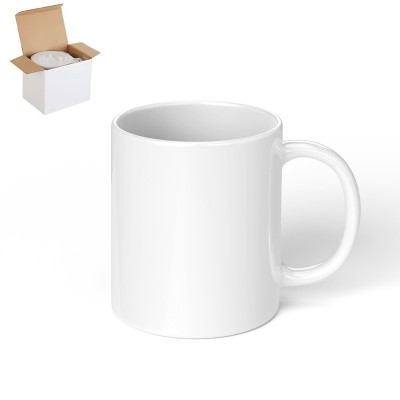
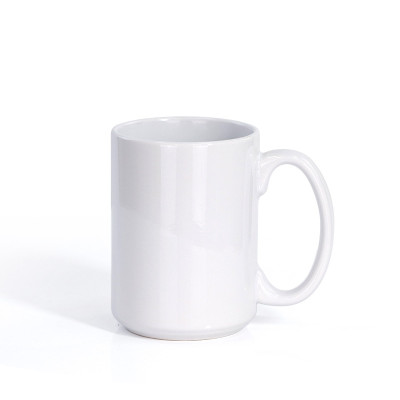
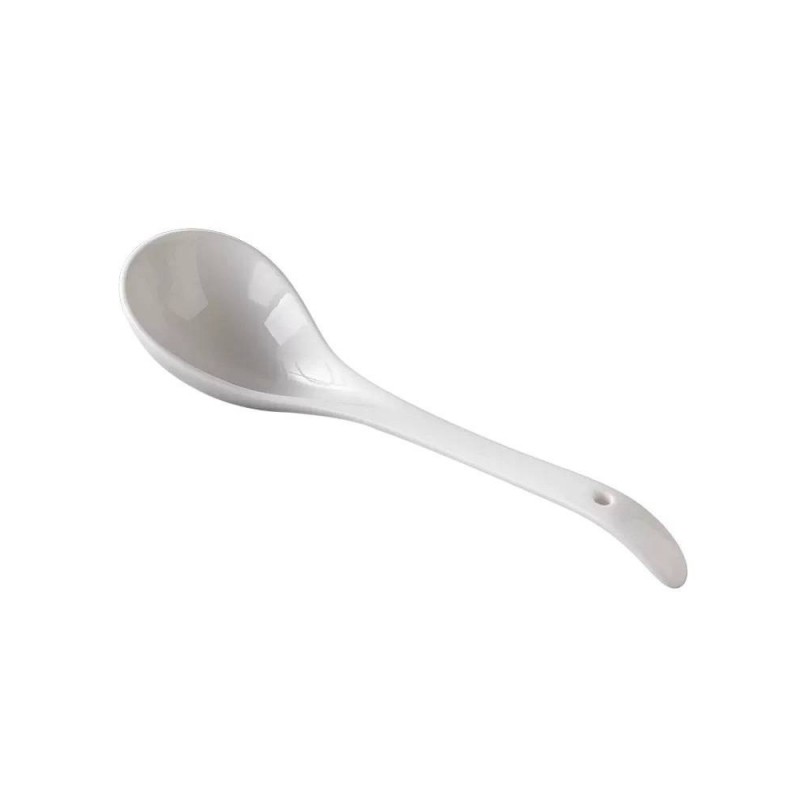
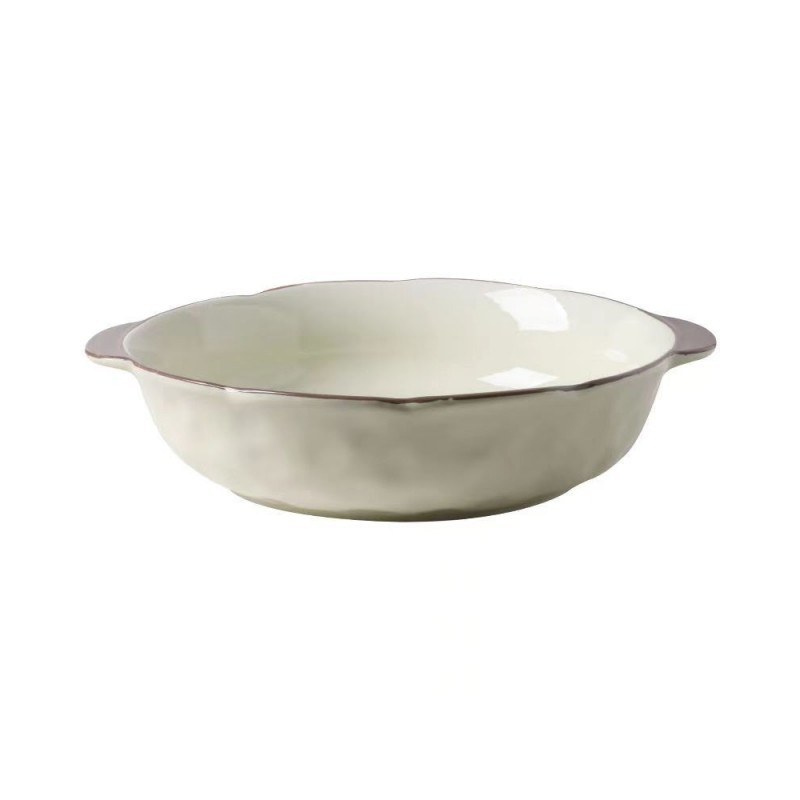
"Featured Tableware for Your First Order"
Explore products featured in this guide:
Have questions? See our Sizes & Finishes FAQ and Ordering & Certifications FAQ.
Need a custom quote? Send an inquiry or browse our full product catalog.