Loyalty and Reward Programmes: Where a Mug Has to Earn Its Place in a Catalogue
The Problem: A Different Set of Arithmetic
Loyalty, reward and subscription programmes buy ceramics in real volume and in a way that no retailer does. The product is not priced — it is redeemed, against points or as a member benefit, which means it must deliver a perceived value far above its unit cost. It is then posted to an individual, usually alone, often to a home address, occasionally internationally. And it disappears into a redemption catalogue where the only feedback is a redemption rate. A supplier who considers only the unit price will miss the two requirements that decide whether the product survives in the catalogue: how it looks against a points value, and how it arrives.
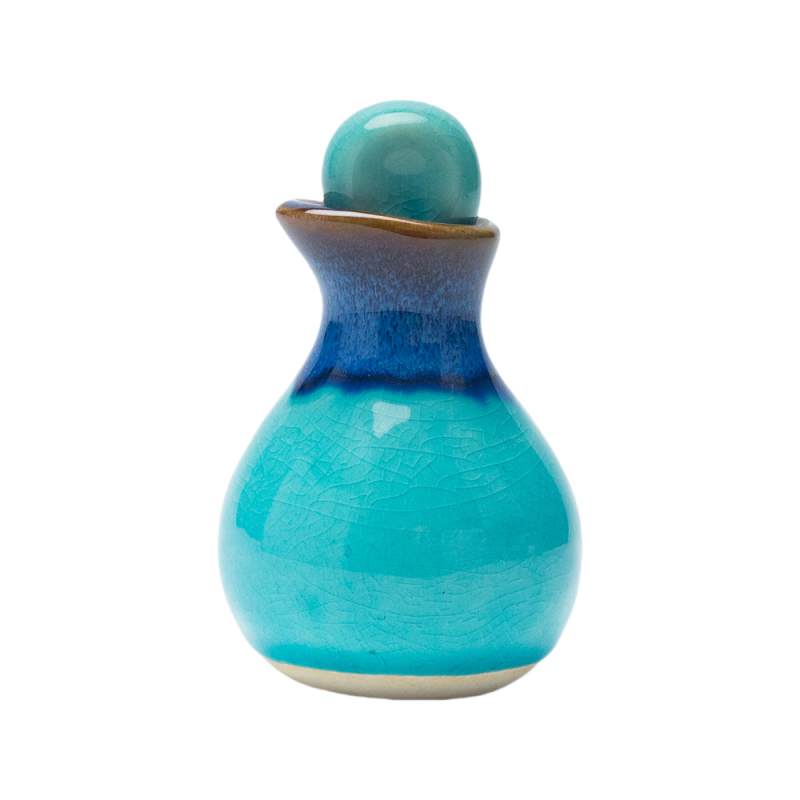
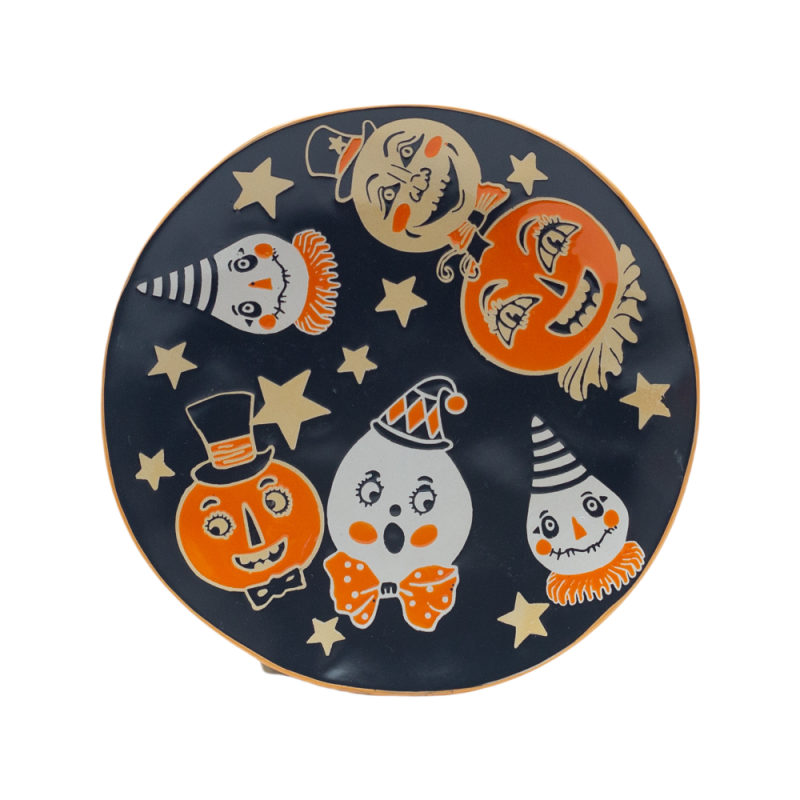
Products in this guide: Handmade Glazed Gourd-Shaped Spice Jar · Whimsical Halloween Ceramic Plates
Where This Fits in the Sourcing Chain
Two specifications dominate: postal-durable packaging, and a body stable enough to be ordered repeatedly. The packaging guide explains how retail-ready and protective layers are specified together. The spec freeze guide explains how artwork and packing files are locked between orders. The full chain follows the standard sourcing map. See the full ceramic sourcing process map.
What Programme Buyers Need
A perceived value that beats the points. The item's cost to the programme is low; its value to the member must look higher. This is why a *set* outperforms a single item in a points catalogue, and why presentation — a box, a ribbon, a card — carries unusual weight for the money spent.
Postal survival. Goods travel individually, by courier or mail, and a chipped item costs a replacement plus the member's goodwill. Inserts, corner protection and a box that closes securely are not optional extras in this channel; they are the product.
A restrained brand. The member's logo may appear, but a programme gift that shouts a corporate identity is used less. The most successful items in this channel read as a gift first and a brand second, if at all.
Drop-ship capability. Programmes frequently want the goods sent direct from the supplier to the member, which requires single-unit packing capability and a data feed rather than a pallet delivery.
Predictably boring supply. Redemption volumes are forecast rather than ordered, and the programme will expect the same item to be available for the duration of the catalogue, often a year. Novelty is a liability here.
The Products That Work
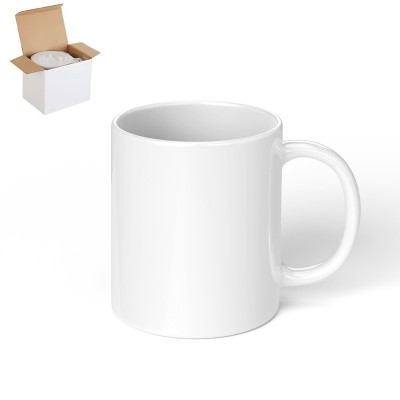
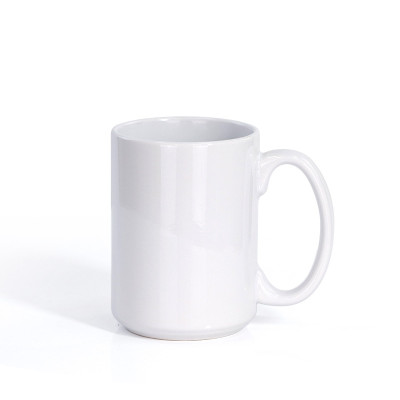
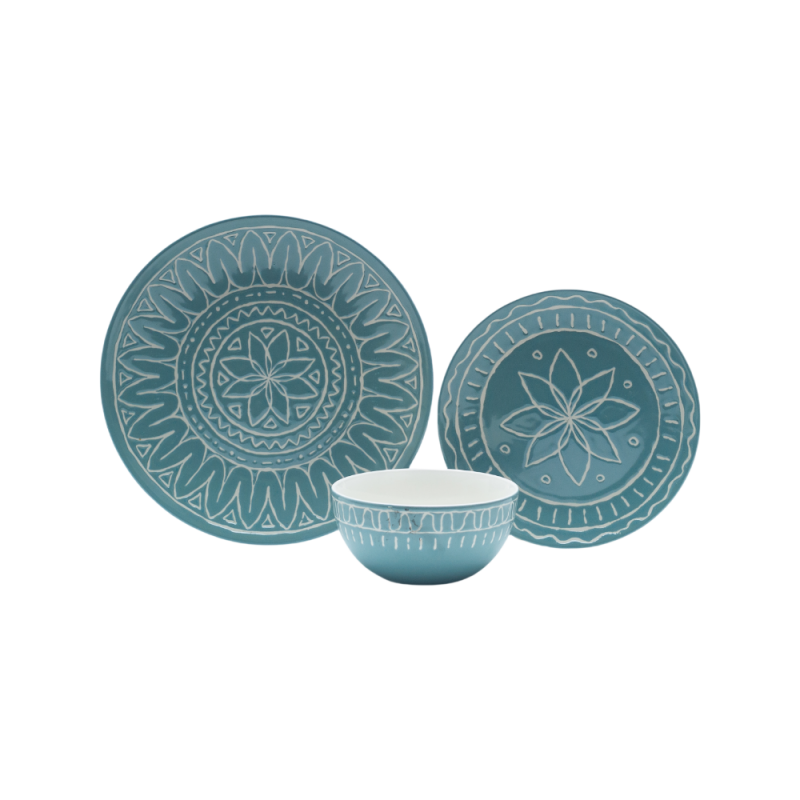
A mug in a gift box remains the workhorse, because it is universally understood and easy to photograph in a catalogue. A two-piece set — a mug with a dish, or a cup and saucer — is the strongest points-value item and the best use of the channel's economics. A seasonal or occasion item, such as a holiday-themed piece offered as a winter reward, which is where a programme can create urgency without creating a new product line. A small keepsake piece, for the lower points band, where a trinket dish outperforms a small mug on perceived value.
Who Buys
Loyalty programme operators and their fulfilment partners, who hold the catalogue and are the decision-maker for most programmes. Banks, insurers and telecoms, buying member gifts at scale, often through a marketing agency. Subscription businesses, buying a recurring item and therefore valuing exact consistency above all. Retail loyalty schemes, buying redemption stock alongside their own ranges.
The Ordering Pattern
Two rhythms exist. Catalogue stock is bought in a bulk quantity and pre-positioned, often a year's requirement at once, then released as redemptions come in. Recurring member gifts are ordered in a rolling pattern, with the specification frozen — for a subscription, the second shipment must be indistinguishable from the first.
For a catalogue launching in the first quarter, the order belongs in the previous third quarter, and the specification should be frozen before it. Where a programme wants to offer an item in multiple points bands, the same body in different pack configurations is the cheapest way to fill a catalogue.
The Habit That Ties It Together
The habit is to price the whole journey — the box, the postal risk, the replacement — rather than the piece. Programs that do this supply items that survive a catalogue year. Programs that do not supply a mug that arrives chipped and is quietly removed from the list.
Related Products
Explore products featured in this guide:

Have questions? See our Sizes & Finishes FAQ and Ordering & Certifications FAQ.
Need a custom quote? Send an inquiry or browse our full product catalog.