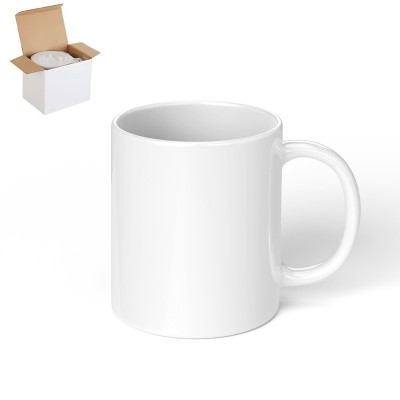
Locking Factory Capacity Before the Peak: The Q4 Reservation Playbook for Bulk Buyers
Capacity Is the Real Constraint — Not Demand
Every Q4, the same scene plays out: a buyer who waited for "a better price" in October discovers the factory's kilns and decoration lines are fully booked through December. The order was never at risk of lacking demand — it was at risk of lacking capacity. For bulk ceramic buyers, production slots are the scarcest resource in the seasonal calendar, and they are allocated to whoever commits first, not whoever pays most later.
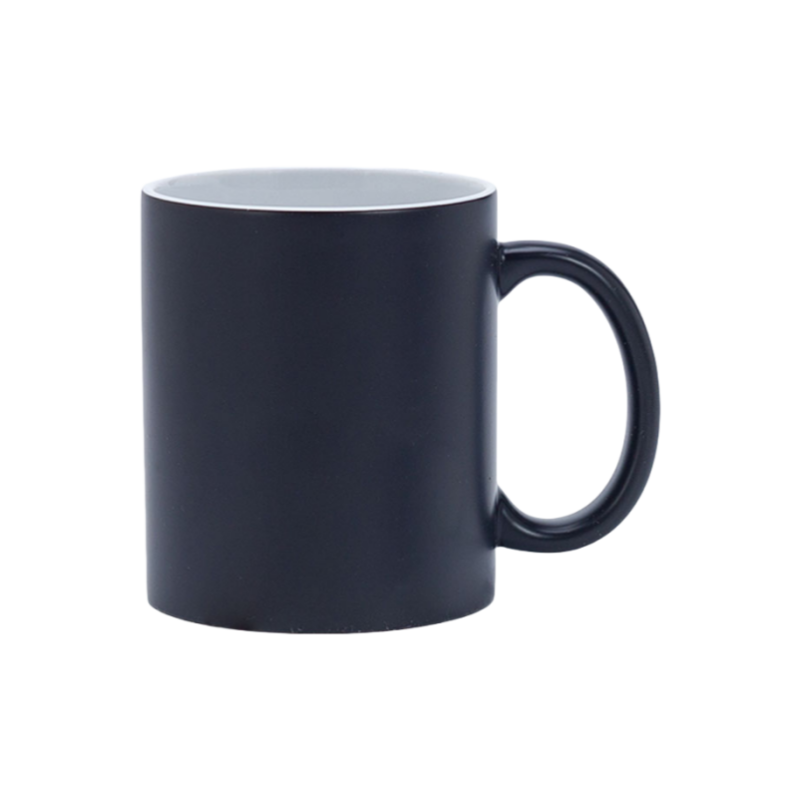
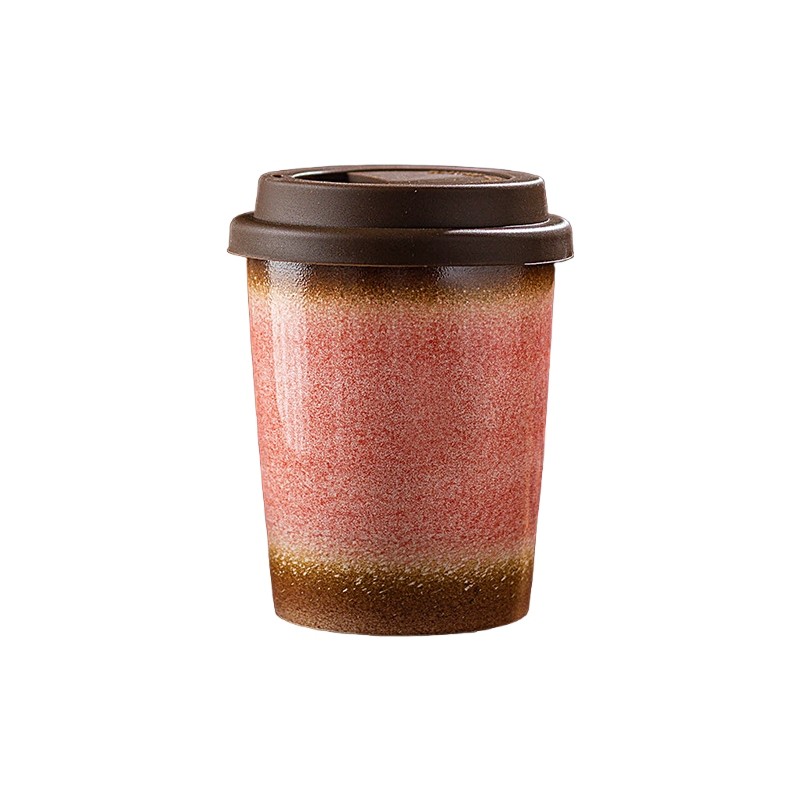
Products in this guide: 11oz Sublimation Magic Mug OEM · 290ml Reactive Glaze Travel Mug
This guide explains how factory capacity actually works in the peak season, the reservation mechanisms that lock your slots, and the timeline that protects seasonal orders.
How Factory Capacity Works in the Peak
A ceramic factory's peak-season capacity has three bottlenecks:
1. The kiln. Firing is the fixed constraint — kilns run on schedules, and capacity is limited per week. Large orders need kiln time allocated in advance; unbooked kiln time disappears as peak approaches.
2. The decoration line. Decorated mugs (sublimation, decal, screen) add a second constraint: decoration capacity, which is more flexible than the kiln but still fills up — and decoration setup per design takes time, so more designs mean less total capacity.
3. Labor. Seasonal demand strains the workforce. Factories plan hiring and shifts around committed orders; a late order either waits for available labor or pays premium rates.
The practical implication: a factory can produce more in September-October than it can in November-December if slots are booked. The buyer who reserves early gets the production window; the buyer who orders late gets whatever remains.
The Reservation Mechanisms
Purchase-order confirmation with a production slot. The cleanest mechanism: a confirmed PO with an agreed production week. The factory schedules the kiln and decoration line around it, and the confirmation is the contract for that capacity. Ask for the production week in writing on the PO confirmation — not just a promised lead time.
Deposit to lock the slot. A deposit (typically 30% under standard terms) converts a "planned order" into a "committed order" and reserves the production slot. Factories treat deposit-paid orders as capacity commitments; without a deposit, a PO is a forecast, not a reservation.
Forecast-based allocation. For long-term programs, share your seasonal volume forecast in advance. Factories allocate capacity against forecasts — a buyer who forecast 50,000 pieces in August and confirms in September gets priority over a buyer who appears with the same number in October.
Seasonal pre-booking agreements. For regular seasonal buyers, negotiate a standing agreement: capacity reserved for your seasonal windows every year, in exchange for a committed volume. This is the strongest mechanism — it turns capacity from a scramble into a scheduled entitlement.
The Timeline That Protects Your Season
Working backward from a seasonal delivery (e.g., Christmas shelf by early November):
| Timing | Action |
|---|---|
| 3-4 months before production | Share forecast; negotiate reservation terms |
| 2-3 months before | Confirm PO with production week; pay deposit |
| 1 month before | Approve samples and packaging; confirm logistics |
| Production week | Factory runs your slot; QC inspection |
| After production | Shipment; documentation in order |
For a Christmas program landing in early November, that means: forecast and terms by July, confirmed PO with deposit by August, samples and packaging locked by September, production in October, shipment by mid-October.
The Mistakes That Lose Capacity
Chasing price into the peak. In September, the marginal benefit of a slightly better quote is dwarfed by the cost of losing the production slot. Capacity-first, price-second is the seasonal rule.
Unconfirmed "verbal" bookings. A factory's verbal "we can fit you in" means nothing when three confirmed orders arrive. Everything that matters goes on the PO confirmation: production week, quantity, deposit terms.
Splitting orders across factories without capacity checks. Splitting for price without verifying each factory's peak capacity just multiplies the risk — two factories both "fitted you in" verbally, and both run late.
The Buyer's Capacity Checklist
- Forecast seasonal volume and share it 3-4 months ahead.
- Negotiate reservation terms (deposit, production week) before the peak.
- Confirm the PO with the production week in writing.
- Pay the deposit to convert the order into a capacity commitment.
- Lock samples and packaging a month before production.
- For repeat seasons, sign a standing capacity agreement.
Book the Season, Not the Panic
The factories that serve their best customers in the peak are the ones whose best customers reserved early. Capacity is allocated on commitment, not on urgency — a buyer with a confirmed PO and a deposit in August outranks a buyer with a verbal promise in October. Our factory publishes seasonal capacity windows and confirms production weeks on every PO, so bulk buyers can plan with certainty rather than hope. If you have a seasonal program, send us your forecast and target delivery; we will confirm the capacity reservation and the production week today.
"Volume-Ready Mug Lines"
Explore products featured in this guide:
Have questions? See our Sizes & Finishes FAQ and Ordering & Certifications FAQ.
Need a custom quote? Send an inquiry or browse our full product catalog.