Kilns and Firing: The Heat That Decides Quality and Cost
The Kiln Is the Last Decision Maker
The kiln is where the piece becomes ceramic - the clay hardens, the glaze melts, and the color locks in - and it is the stage where quality, consistency and cost are finally decided. The firing choices are the hidden language of the quotation: single-fire costs less than double-fire, oxidation gives predictable colors, reduction gives the deep effects, and a well-managed kiln is the difference between a batch that matches the approved sample and a batch that does not (see our glaze-science guide for the surface side of the same firing). This guide covers the firing structure, the atmosphere choice and the variables that control the outcome.
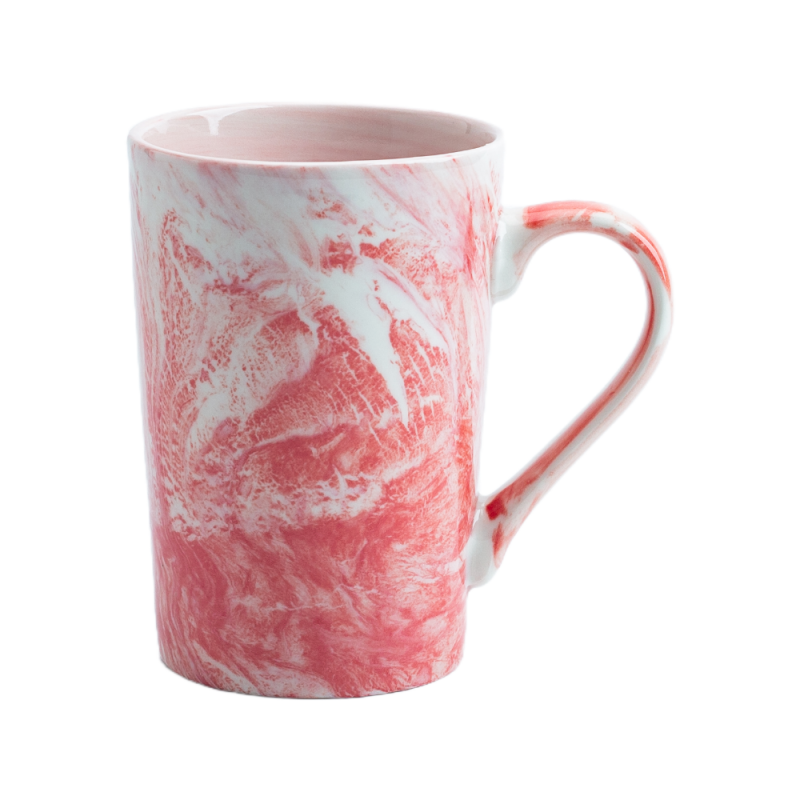
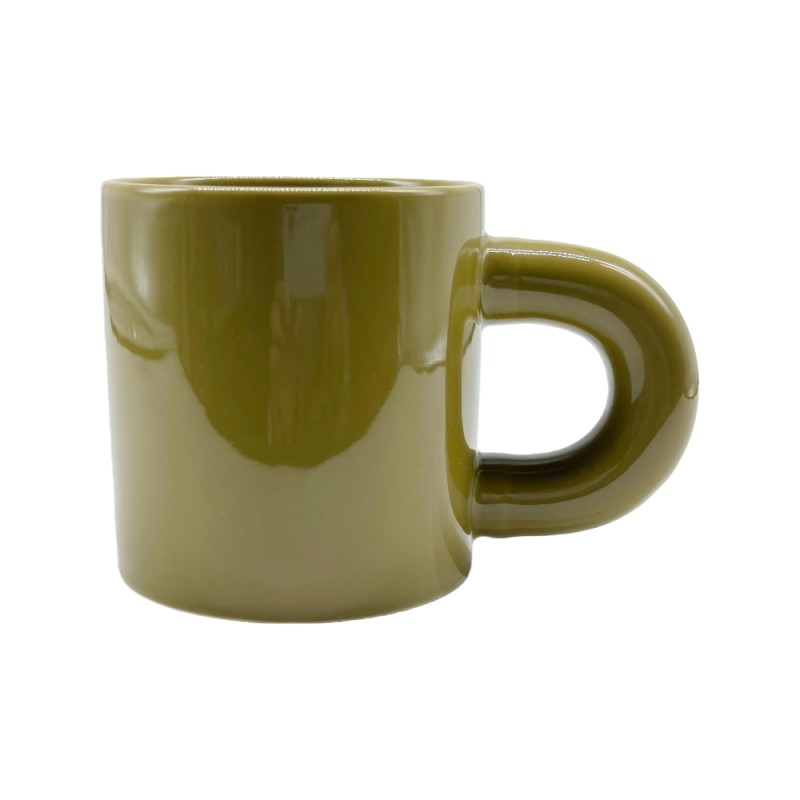
Products in this guide: Marble Ceramic Latte Mug · 650ml Large Ceramic Coffee Mug
Single-Fire and Double-Fire
The firing structure is the first cost decision. Single-fire glazes the greenware and fires it once - fewer steps, less fuel, lower cost, and it is common on the fast, high-volume lines for simple shapes. Double-fire fires the body first (the bisque fire), then glazes and fires again - more fuel, more handling, higher cost, but better control: the bisque is stronger and easier to decorate, the glaze defects are easier to catch between the fires, and the decorated pieces (decal, overglaze, hand-painting - see our decoration guide) need the double fire by nature. The practical rule for buyers: double-fire is the standard for decorated and premium lines, single-fire is the volume economy for simple solid-color pieces - and the quotation should say which one you are paying for (see our quote-reading guide for the cost layers).
Oxidation and Reduction Firing
The atmosphere inside the kiln decides the color world. Oxidation firing (oxygen present) produces the clean, bright, predictable colors - the standard for the volume lines, the brand colors and the consistent programs (see our color-control guide for the matching discipline). Reduction firing (oxygen restricted) pulls oxygen from the glaze and the clay, producing the deep, varied, often one-of-a-kind effects - the kiln-varied and reactive surfaces behind the craft and gift lines (see our kiln-varied and craftsmanship guides). The trade-off: oxidation reproduces, reduction surprises - so a program that needs batch-to-batch consistency belongs to oxidation, and a program that sells the story of the unique piece belongs to reduction (see our color-and-glaze trend guide for the market direction). The buyer who knows which atmosphere a product needs knows which consistency to expect.
The Variables That Control the Outcome
Beyond the structure and the atmosphere, the outcome is controlled by three variables. The top temperature and the soak: a few degrees and a longer soak can shift a glaze's color and flow (see our glaze-science guide) - and the factory's temperature discipline is the largest consistency variable between the approved lab dip and the production batch (see our color-control guide for the acceptance rules). The kiln position: the temperature varies inside the kiln, so the load placement affects the pieces - a well-loaded kiln is packed by a loader who knows the hot and cold spots. And the cooling rate: a controlled cool protects the glaze from crazing (the fine crackle from thermal mismatch, see our defect guide) and allows the crystal growth of the crystalline glazes. The rule: the buyer cannot control the kiln, but the buyer can ask the right questions - the firing structure, the atmosphere, the temperature profile and the cooling practice are all fair questions on the factory tour (see our factory-audit guide for the full walkthrough). The buyers who understand the heat are the buyers who understand why one batch matches and another does not - and who pay for the firing they are actually getting.
"Kiln-Crafted Ceramic Products"
Explore products featured in this guide:
Have questions? See our Sizes & Finishes FAQ and Ordering & Certifications FAQ.
Need a custom quote? Send an inquiry or browse our full product catalog.