Kiln Furniture and Setting: Where Stilt Marks, Warping and Colour Drift Come From
The Problem: The Marks Nobody Ordered
Open a carton and look at the base of a mug: a small rough patch, sometimes three of them, where the piece was supported during firing. That is a stilt mark, and it is a defect in some specifications and accepted in others — which tells you something important. The kiln support system leaves physical evidence on the product, and whether that evidence is acceptable has to be decided in advance rather than at the port.
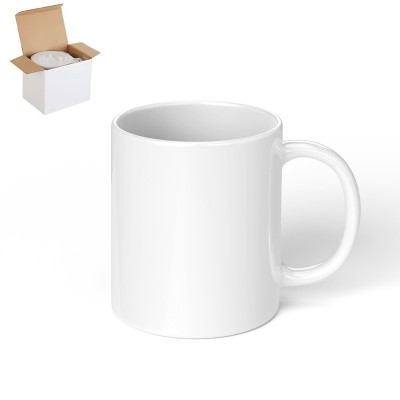
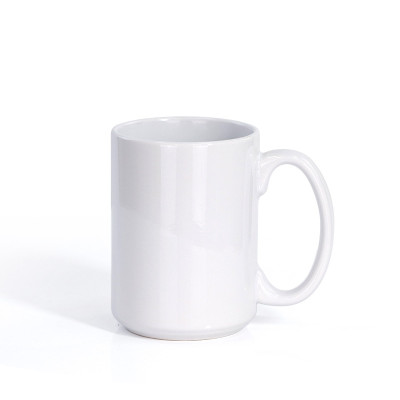
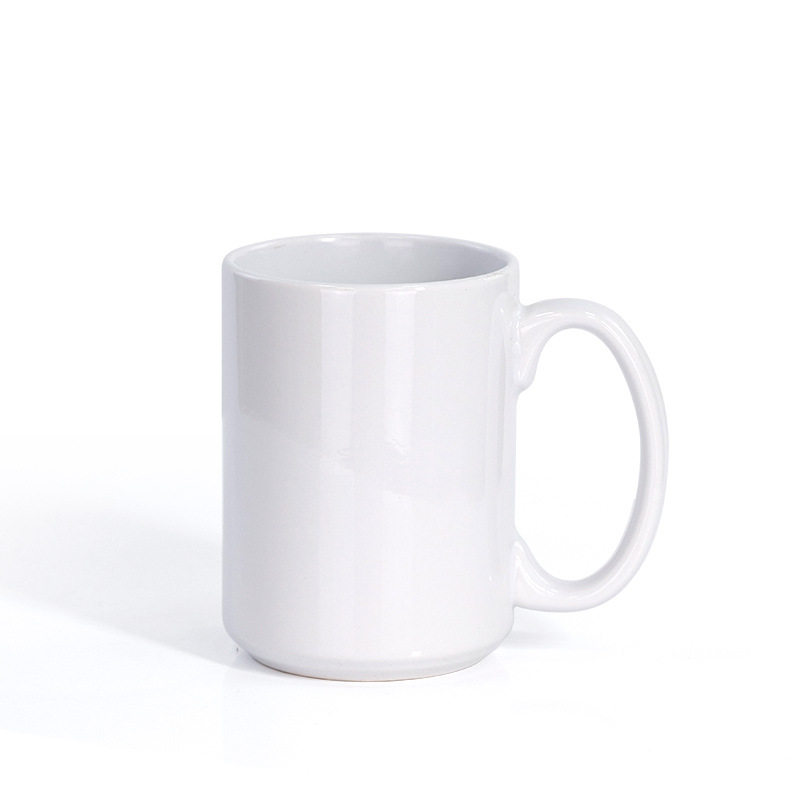
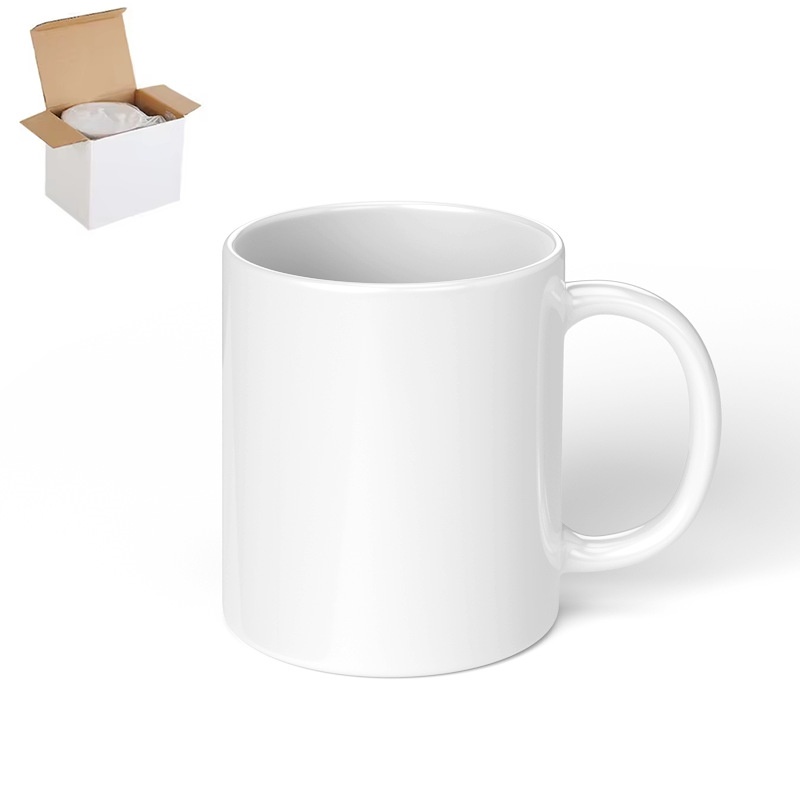
Products in this guide: 15oz Sublimation Blank Ceramic Mug · 11oz Sublimation Blank Ceramic Mug
The same area explains two other recurring complaints. A base that will not sit flat can be a warping problem — and the flatness of the shelf it was fired on is a direct cause. Colour that varies from carton to carton within one shipment is usually a kiln position effect, since temperature and atmosphere differ between the edges and the centre of a load.
The Equipment, and What Each Piece Does
Batt or shelf. The flat plate the ware sits on. Its flatness matters: a shelf that has warped over hundreds of firings transmits that shape to the pieces standing on it. Shelf flatness checks and a replacement cycle are the least glamorous and most effective controls in the kiln area.
Setter. A shaped support that holds a piece in a defined orientation — a plate setter, a ring for a bowl, a custom profile for anything irregular. A setter is how a factory controls the base flatness of a flat or wide piece, and where a setter is worn or distorted, the ware is too.
Stilts, spurs and pins. Small supports that raise the piece off the shelf so that the glazed base does not stick. They leave marks where they touch, which is the trade: firing a fully glazed base requires a support, and a support leaves evidence. The alternative — an unglazed foot ring — avoids the mark but means an unglazed surface in contact with the table.
Props, cranks and saggers. Vertical supports, spacers and containers used to build a stable load and to protect ware from direct flame. Sagger use has largely gone from modern production, but where it exists it affects both the surface and the cooling rate.
Batt wash. A refractory coating applied to the shelf to prevent the glaze from sticking and to protect the shelf. Its thickness, its drying and its re-coating cycle affect both cleanliness and the surface of the ware: a wash that flakes becomes a speck on a glaze, which is one of the most common and most annoying defects a buyer sees.
Setting Methods and What They Cost the Product
Four approaches, each with a visible trade-off.
On the unglazed foot ring. The base is masked so that the piece sits on bare clay during firing. No stilt mark, and a base that is slightly rough — which is normal and should be defined in the specification as acceptable on a non-visible surface.
On stilts with a fully glazed base. A smooth, fully glazed base, at the cost of one or more stilt marks that must be defined as acceptable or unacceptable. This is the default for many volume items, and the definition is the buyer's job.
On a setter, supported. Used for plates, wide bowls and anything that would otherwise sag. The setter contact area can leave a mark on the underside or on the rim, and it is the method that most reliably controls flatness.
Standing on the base, unsupported. The cheapest and the riskiest for thin or wide forms: gravity plus softened material equals a lean or a wobble.
Loading Patterns and the Two Things They Change
Temperature and atmosphere distribution. The edges of a kiln load differ from the centre, and the top differs from the bottom. Colour, glaze surface and even fit can shift measurably across a load. This is the honest explanation of most within-shipment variation — and it is manageable: a factory that records piece position can place colour-sensitive items in the middle, and a buyer who understands it can specify that the shipment be compared to the master as a range rather than expecting a single point.
Density. Loading too densely restricts airflow and creates cold spots, which produces under-fired pieces: a duller surface, less complete glaze melt, and in some cases a piece that will fail a thermal test it should have passed. Loading too sparsely wastes energy.
Where the Damage Happens
Four consequences a buyer should be able to name, because naming them is what gets them fixed.
Stilt marks on the base, which are a specification decision and should be allowed or rejected in writing, with photographs of both.
Sticking and pull-outs where a piece adhered to the shelf or to another piece, leaving a chipped contact area that is a Class A defect.
Batt wash flakes appearing as fired-in specks under or in the glaze — often in only part of a load, which makes it look random.
Distortion, where the shelf or setter was not flat, or the piece was placed with the load of the stack on it.
The packaging guide explains how retail-ready and protective layers are specified together.
The Records and Controls Worth Requiring
Five items, all of them cheap and none requiring new equipment.
- Shelf flatness check and a replacement cycle, so that a warped shelf is removed rather than producing a run of warped pieces.
- Batt wash procedure: how it is applied, how thick, and the re-coating interval.
- Setting method per item, written rather than left to the loader: what it stands on, where it is supported.
- Loading plan, including which items are placed in which regions of the kiln — and the fact that colour-critical items go to the most uniform zone.
- A retained fired sample per load or per day, so that a colour question can be answered with a physical comparison.
What to Ask a Supplier
Five questions, and the answers tell you whether the setting is controlled or improvised.
- How is this item supported in the kiln, and what mark does that leave on the base?
- Is that mark acceptable to you, and is it acceptable to us — can we agree it in writing with photographs?
- How often is a shelf checked for flatness and replaced?
- How is the batt wash applied, and what do you do about flakes?
- Do you record where in the load a piece sat, and can you explain a colour difference across one shipment?
The Habit That Ties It Together
The habit is to define what the kiln is allowed to leave on the product. Programs that do this settle stilt-mark and colour-drift questions in advance, with a photograph and a written allowance — instead of discovering, at the port, that the base of every mug carries three rough patches nobody agreed to.
Related Products
Explore products featured in this guide:
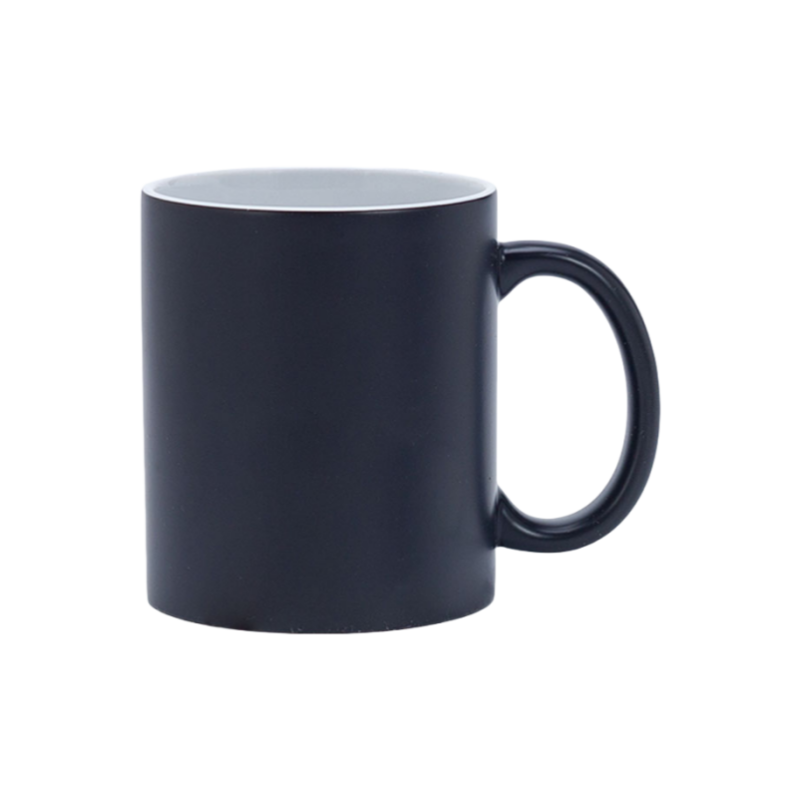
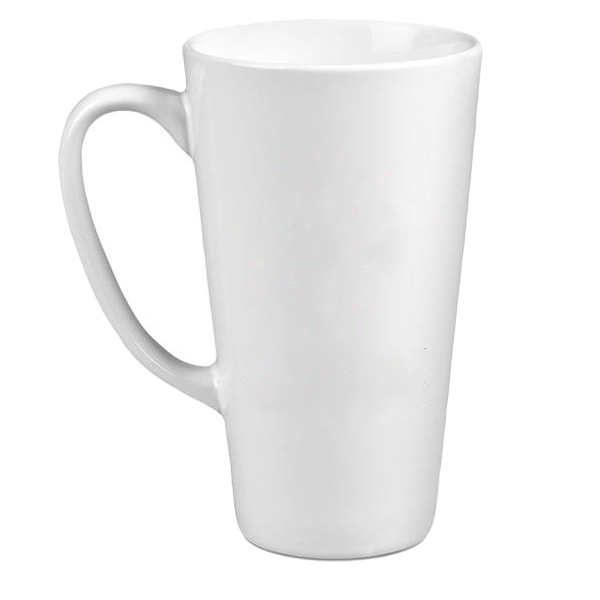
Have questions? See our Sizes & Finishes FAQ and Ordering & Certifications FAQ.
Need a custom quote? Send an inquiry or browse our full product catalog.