Inside the Factory QC Line: The Four Checkpoints Before Your Batch Ships
The Factory QC Is the First Inspector
Before the third-party inspector arrives and before the cargo ships, the factory runs its own quality control - and the quality of the factory's QC is the single best predictor of the quality of the batch (see our third-party-inspection and inbound-inspection guides for the buyer-side gates that follow). A factory with disciplined checkpoints catches the defects before they multiply; a factory without them ships them to your door. This guide covers the four checkpoints of a well-run factory QC line - greenware, bisque, glaze and packing - and what each gate should be catching.
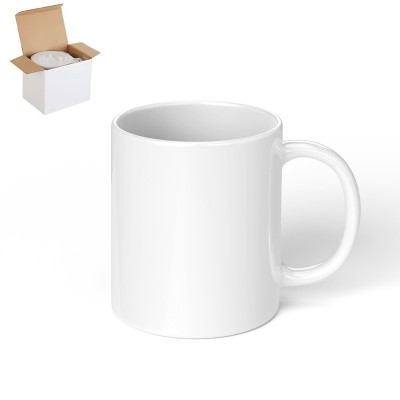
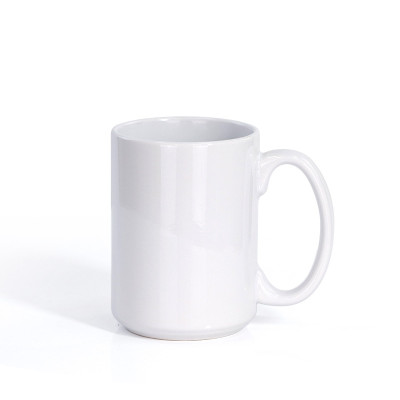
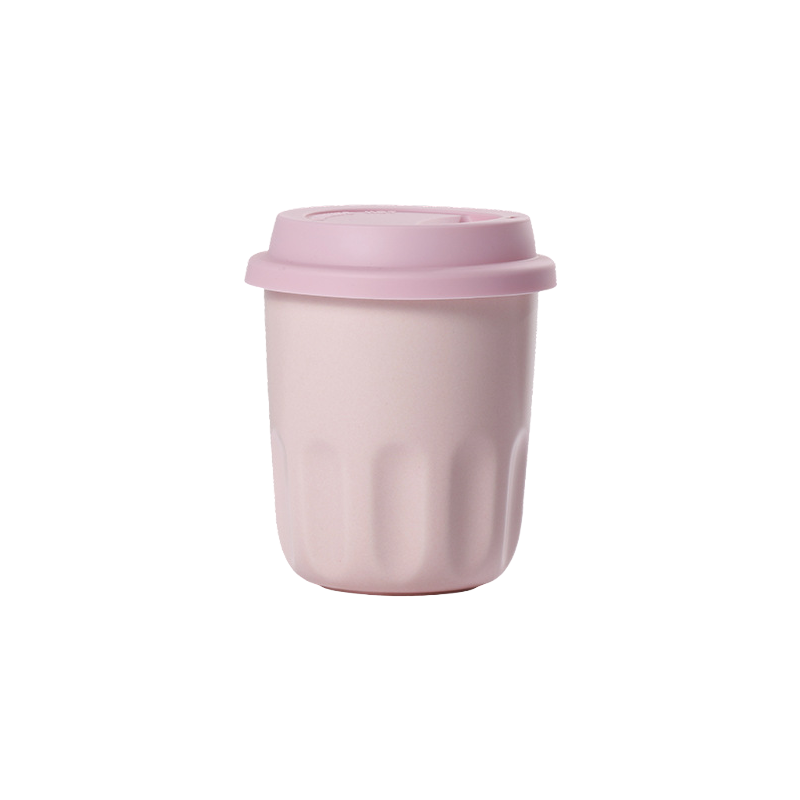
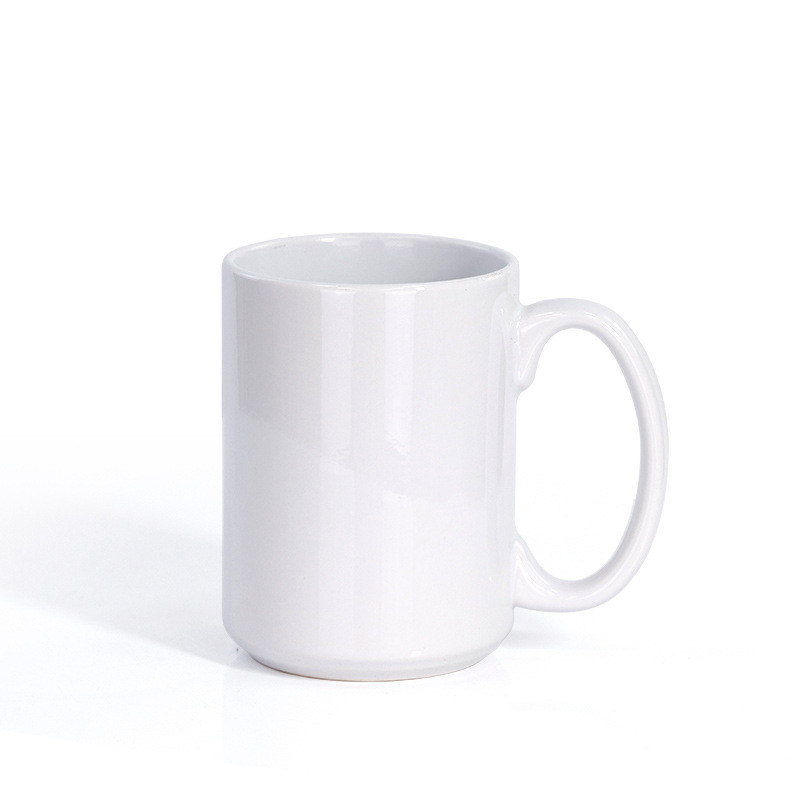
Products in this guide: Portable Ceramic Cup with Silicone Lid · 15oz Sublimation Blank Ceramic Mug
Checkpoint One: The Greenware Gate
The first checkpoint happens before the kiln, on the formed and dried pieces - the greenware. This is where the shape defects are caught cheaply: the warpage, the deformation, the cracked rims, the surface marks and the thickness variations that would become permanent in the fire (see our forming guide for the method context). The gate should include a dimensional check against the spec (see our chain-standard guide for the tolerance language) and a visual pass for the surface. The rule: the greenware gate is the cheapest gate - a defect caught here costs one piece of clay; the same defect caught at packing costs a fired, glazed, decorated piece.
Checkpoint Two: The Bisque Gate
After the first firing (in the double-fire structure - see our kiln guide), the bisque is inspected again: the firing defects - the blisters, the cracks that opened in the fire, the warpage that the heat revealed, the clay body flaws now permanent - are graded and sorted. The bisque gate also qualifies the pieces for the decoration: a bisque with surface flaws would carry the decoration defects (see our decoration guide). The gate is also where the factory grades the body quality - the fine crazing-prone bodies are caught before they cost the glaze and the second fire.
Checkpoint Three: The Glaze and Decoration Gate
After the glaze firing, the finished surface is checked: the glaze defects - the pinholes, the crawling, the blisters, the crazing (see our glaze-science and defect guides for the full set) - plus the color against the approved standard (see our color-control guide for the matching discipline) and the decoration quality (the decal placement, the screen registration, the hand-paint coverage - see our decoration guide). This is the most important gate for the buyer: the surface is what the customer sees, and a batch that passes this gate matches the approved sample or it does not. The factory's color check here is the baseline that the buyer's own inspection and the third-party report confirm (see our inspection guides).
Checkpoint Four: The Packing Gate
The final checkpoint is the packing line: the size and grade sorting, the boxing, the carton packing and the shipping marks (see our packaging-engineering and sales-packaging guides for the standards). The gate checks the packed piece itself - the final visual pass, the weight check, the piece count per carton - and the carton quality: the insert fits, the carton is strong enough for the transport mode (see our container guide for the FCL/LCL handling difference), and the marks match the packing list (see our trade-documents guide for the paperwork side). The rule: the packing gate is where the batch becomes the shipment - a defect that passes this gate has left the factory, and the claim now travels with the cargo.
Reading the Factory's QC
The buyer reads the factory's QC in three ways. First, on the factory tour: ask which gates exist, what each gate rejects, and where the rejected pieces go (see our factory-audit guide for the walkthrough). Second, in the qualification: a new factory's trial order is also a trial of its QC - the defect rate of the trial batch shows the gates working or not (see our new-factory guide). And third, in the batch records: the factory that records its gate results can show you the quality history of the batch before it ships - the record is the proof. The buyers who read the factory QC are the buyers whose batches arrive with fewer surprises - because the first inspector did the job before the cargo left.
"QC-Ready Ceramic Products"
Explore products featured in this guide:
Have questions? See our Sizes & Finishes FAQ and Ordering & Certifications FAQ.
Need a custom quote? Send an inquiry or browse our full product catalog.