Inbound Quality Inspection for Ceramic Mugs: Color, Size and Capacity Tolerances Explained
The Shipment Is Not the Contract — Yet
A container of mugs arrives. The cartons look fine, the count matches the packing list, and then the problems start: the color is slightly off the approved sample, some rims are chipped, and the capacity of the "330ml" mug actually holds 300. By the time you notice, the goods are at your warehouse, the payment window is closing, and your leverage is gone. This is why inbound inspection exists: the moment to catch defects is at arrival, before you accept the goods — not after you have distributed them.
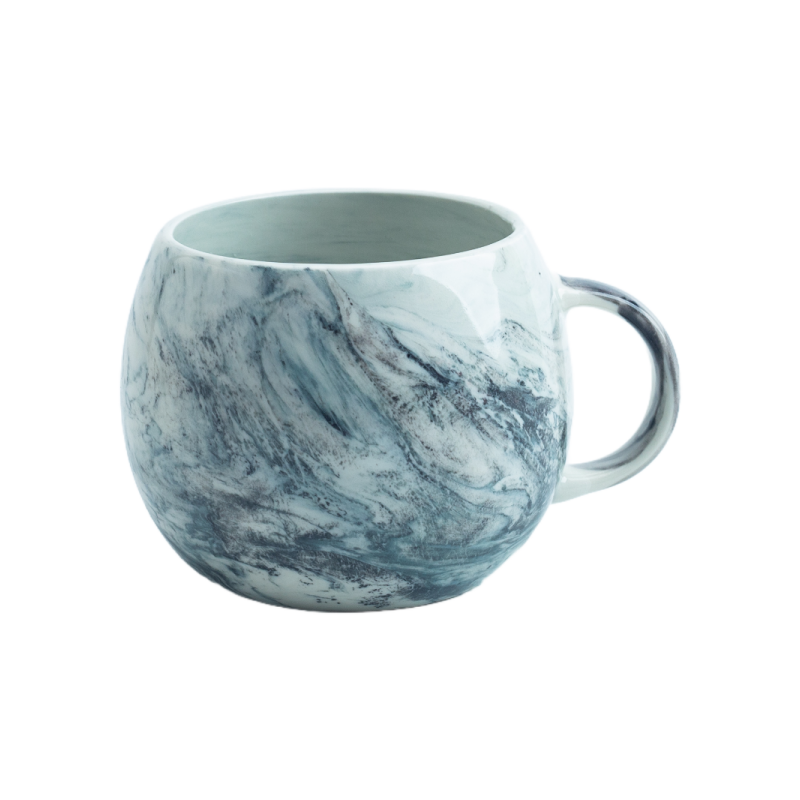
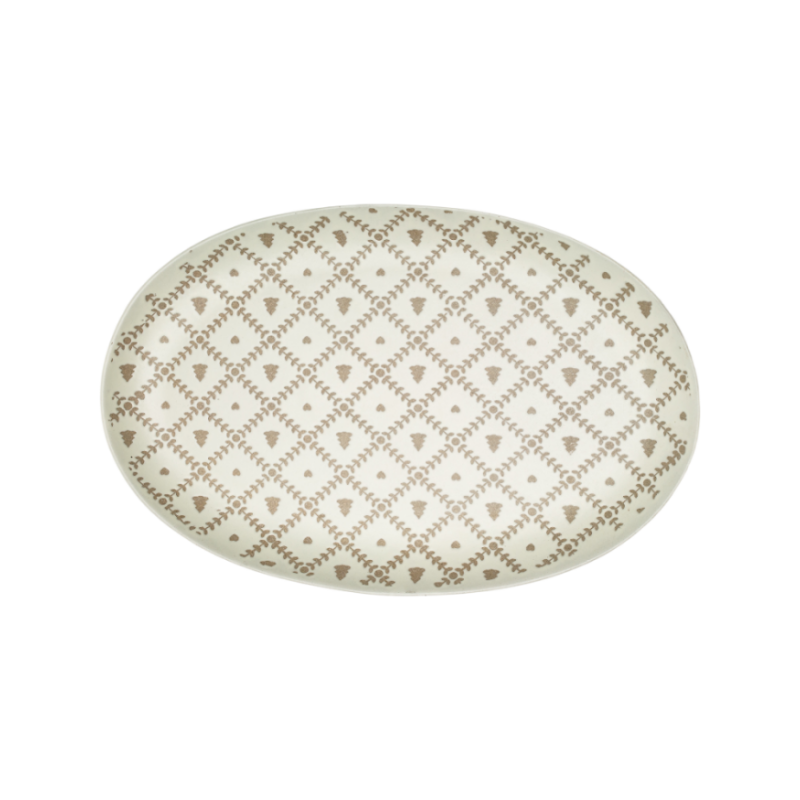
Products in this guide: 455ml Marble Ceramic Mug · Japanese Black Stoneware Plate
This guide gives importers and wholesalers a practical inbound inspection checklist for ceramic mugs and tableware: what to test, what tolerances are reasonable, and how to sample without inspecting every piece.
The Inspection Window: Within 48 Hours of Arrival
Inspect within 48 hours of arrival, before unloading is complete if possible. Photograph everything — container, cartons, damage, samples — as evidence for claims. If the shipment shows visible transit damage, note it on the delivery receipt before signing. The inspection clock starts at arrival; delayed inspections weaken every claim you make later.
The Four Core Checks
1. Color and decoration vs. the approved sample. Compare pieces against the approved pre-production sample and your brand spec (PMS/Pantone if applicable). Check under consistent lighting — daylight or a calibrated lamp, never mixed store lighting. Look at the decoration on at least the handle and rim areas, where defects concentrate. A slight batch-to-batch variation is normal in ceramics; a visible shift in the hero color is a defect.
2. Size and shape tolerances. Ceramics shrink during firing, so dimensional tolerance is part of the deal — but it should stay within agreed limits. The common standard: ±2% on diameter and height, and ±3-5% on capacity. A "330ml" mug measuring 300-345ml is within range; one measuring 280ml is not. Check with a ruler and a measuring jug, not by eye.
3. Capacity and fill-line testing. Fill the mug to the rim and measure the actual volume with a graduated jug. Run this on 5-10 pieces per size. Capacity is a compliance-adjacent claim: if your label or listing says 330ml and the product holds 280ml, you have a customer-relations and possibly a regulatory problem.
4. Glaze, rim and handle integrity. Run your finger around each rim to feel for chips or glaze defects (the #1 ceramic defect). Check glaze coverage on the foot and inside the mug — a bare spot inside means the piece is not food-contact safe in that area. For mugs, apply moderate pressure to the handle and check the join for cracks; handles are where structural failures happen.
AQL Sampling: Inspect Smart, Not Everything
You cannot check every piece in a full container. Use AQL (Acceptable Quality Limit) sampling — the same framework professional inspectors use:
| Lot size | Sample size | Critical defects | Major defects |
|---|---|---|---|
| 2,001-10,000 pcs | 125 pcs | 0 allowed | 5 allowed (AQL 2.5) |
| 10,001-35,000 pcs | 200 pcs | 0 allowed | 7 allowed |
| 35,001-150,000 pcs | 315 pcs | 0 allowed | 10 allowed |
Critical defects (reject the lot): lead/cadmium migration over limits, unsafe glaze, broken or sharp pieces. Major defects (reject if over limit): off-color beyond tolerance, chipped rims, wrong capacity, decoration defects. Minor defects (accept, note for the next order): small glaze pinholes, minor specks. The sample must be random — pull pieces from different cartons and layers, not just the top row.
Documenting the Inspection
Keep a simple inspection record per shipment: date, container, supplier, sample size, defects found by category, photos, and the decision (accept / reject / conditional). The record is your evidence for a claim, your baseline for the next order, and your lever in negotiations with the factory. A buyer who inspects and documents gets better quality on the next shipment; a buyer who accepts blindly gets the same problems again.
What to Do When You Find a Problem
Defects within AQL limits: accept the lot, but send the photos and counts to the factory. This keeps the record honest without derailing the shipment.
Defects beyond AQL limits: stop, do not unload into your warehouse without documenting. Negotiate before accepting — options are: a price deduction reflecting the defect rate, replacement of the defective pieces, or a credit against the next order. Never release payment without resolving the claim in writing.
Critical defects: reject the lot outright and inform the factory immediately. For safety-related failures, a formal rejection protects you and your downstream customers.
Building a Supplier That Ships Clean
The best inspection is the one that rarely finds anything — which happens when the factory knows you inspect. State your AQL standards and tolerance expectations in the purchase order, share your inspection criteria before production, and inspect consistently. Factories that know you will measure capacity and check rims on arrival ship cleaner containers. It is the cheapest quality control available: inspection as reputation, not just as check.
Inspection-Ready Quality from the Start
Inbound inspection works best with a supplier that ships within tolerance in the first place. Our factory produces to consistent color, size and capacity standards, ships with production documentation, and stands behind AQL-based claims — if a container fails inspection, we resolve it. If you are setting up an inbound QC program, send us your tolerance requirements and AQL standard; we will confirm our production tolerances and build them into the order terms.
"Standard Pieces for Your Inspection Program"
Explore products featured in this guide:
Have questions? See our Sizes & Finishes FAQ and Ordering & Certifications FAQ.
Need a custom quote? Send an inquiry or browse our full product catalog.