How to Write a Mug RFQ That Gets Serious Supplier Quotes
The Quote You Get Is the Question You Ask
A vague inquiry to a ceramic supplier — "How much for 500 mugs?" — reliably produces a vague answer: a single price with no details, and a follow-up message asking the questions you should have asked first. RFQs work in the opposite direction: a well-structured Request for Quotation gets suppliers competing on specifics instead of hedging on ambiguity. This guide covers the eight elements of a mug RFQ that makes suppliers respond with real numbers, and the mistakes that guarantee you get quoted last.
The 8 Elements of a Serious Mug RFQ
1. Quantity — total and per SKU.
"1,000 mugs" is weak; "1,000 total: 600 × 11oz white, 400 × 15oz white, per-SKU MOQ confirmed" is strong. Suppliers price on volume per SKU (kiln batches and setup amortize per design), so the per-SKU breakdown is what drives the number.
2. Product specification.
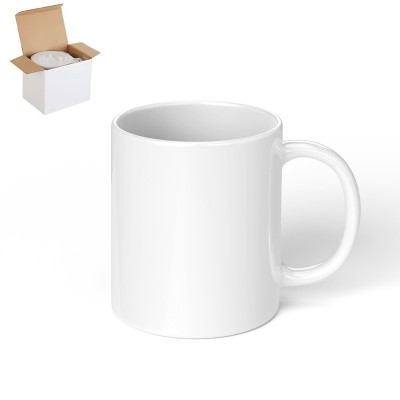
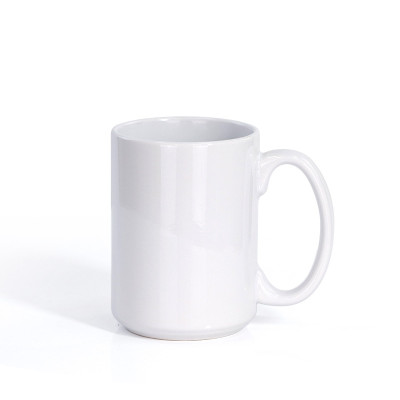
Capacity (ml/oz), shape (classic straight-wall, tapered, stackable), wall thickness if it matters, glaze (matte/glossy/colored, interior vs exterior). Attach a drawing or reference photo — a picture removes a page of guesswork.
3. Decoration and printing.
Method (sublimation, screen, decal, debossed, laser), print area size, number of colors, PMS/brand colors if matching matters. Include artwork (or a clear description of what is coming).
4. Packaging requirements.
Bulk carton specs (pieces per carton, carton size/weight), retail packaging if needed (gift box, sleeve, insert — see our retail packaging guide), marking/labeling requirements.
5. Target price and payment terms.
State your target range and payment expectations (e.g., 30/70 TT, LC). Honest targets get honest quotes; a secret ceiling invites inflated "from" prices. Say which trade term you want quoted (EXW/FOB/CIF) — FOB is the industry default for comparison.
6. Lead time and delivery window.
When do you need samples? When must production finish? When is the shipment deadline? Factories quote capacity around real dates — a dateless RFQ gets a date-less answer.
7. Compliance and documentation.
Market (EU/UK/US), required test reports (LFGB, FDA, 84-500-EEC), REACH statement, origin requirements. State it up front so non-compliant suppliers self-select out.
8. Supplier qualifications.
Ask for what proves capability: factory audit reports, certifications (ISO 9001, BSCI/SEDEX), references or past similar orders, and their MOQ/lead-time norms. You are pre-qualifying while you are pricing.
A Working RFQ Template
> Subject: RFQ — 11oz/15oz Ceramic Mugs, 1,000-5,000 pcs, EU Market
>
> Hello, we are looking for a quote for the following:
> 1. Qty: 1,000 total (600 × 11oz white, 400 × 15oz white) — please also quote 3,000 and 5,000 totals.
> 2. Spec: 11oz classic straight-wall, glossy white, dishwasher-safe; 15oz same finish. Attached drawing.
> 3. Decoration: sublimation, full-wrap print area approx 82×190mm (11oz) / 95×200mm (15oz), 4-color logo (PMS 186C red). Artwork attached.
> 4. Packaging: bulk cartons (48/ctn), no retail packaging. Carton marking: plain.
> 5. Price: please quote FOB + CIF Hamburg, payment 30/70 TT. Target ex-works range stated if helpful.
> 6. Lead time: samples within 2 weeks, production 4-5 weeks, ship by [date].
> 7. Compliance: LFGB lead/cadmium report ≤12 months for the exact decoration; REACH statement.
> 8. Qualification: ISO 9001 certificate, BSCI/SEDEX audit if available, and 2 references from similar EU orders.
>
> Please provide: unit prices by tier, sample cost, production lead time, and shipping date. We will compare 3-4 suppliers and decide within 2 weeks. Thank you.
Why This Works
- Per-SKU quantity lets the factory price the real production shape, not a guess.
- Specs + drawing kill back-and-forth; the quote is about your product, not a generic mug.
- Explicit decoration details let them quote setup costs accurately.
- Compliance stated up front filters out factories that cannot provide reports — you never waste a round on them.
- A decision window ("decide within 2 weeks") creates urgency without pressure.
Common RFQ Mistakes That Get You Quoted Last
- Asking for a single price for mixed SKUs — you get the highest-tier price or silence.
- No deadline — suppliers prioritize buyers with dates.
- Unrealistic targets (e.g., 79%-duty-era EU pricing with no origin flexibility) — quote the trade term and origin you can actually use.
- Revealing competitors' quotes — "X quoted me $1.10" invites price-only responses and erodes trust; let them quote on your specs.
- Not following up — a structured RFQ needs a follow-up at 48h; silence reads as disinterest.
The Follow-Up Rule
48 hours after sending, send a short follow-up: "Confirming receipt and your timeline to quote — happy to provide any missing specs." It triples response rates. When quotes arrive, compare apples to apples: same trade term, same quantity tiers, same compliance scope — then talk to the top two, not just the cheapest.
A good RFQ does the negotiation work before the first call. Structure it once, reuse it for every supplier, and the market will price your product properly. Need a quote for your next order? Send us your RFQ (or let us help you draft one) — we will respond with a full tiered quote, sample plan and documentation list.
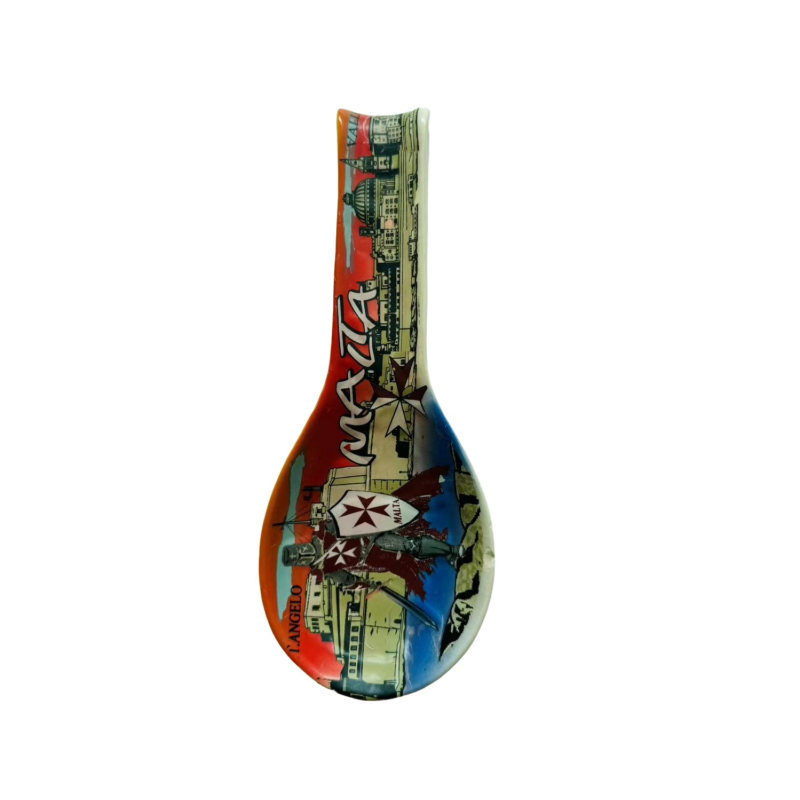
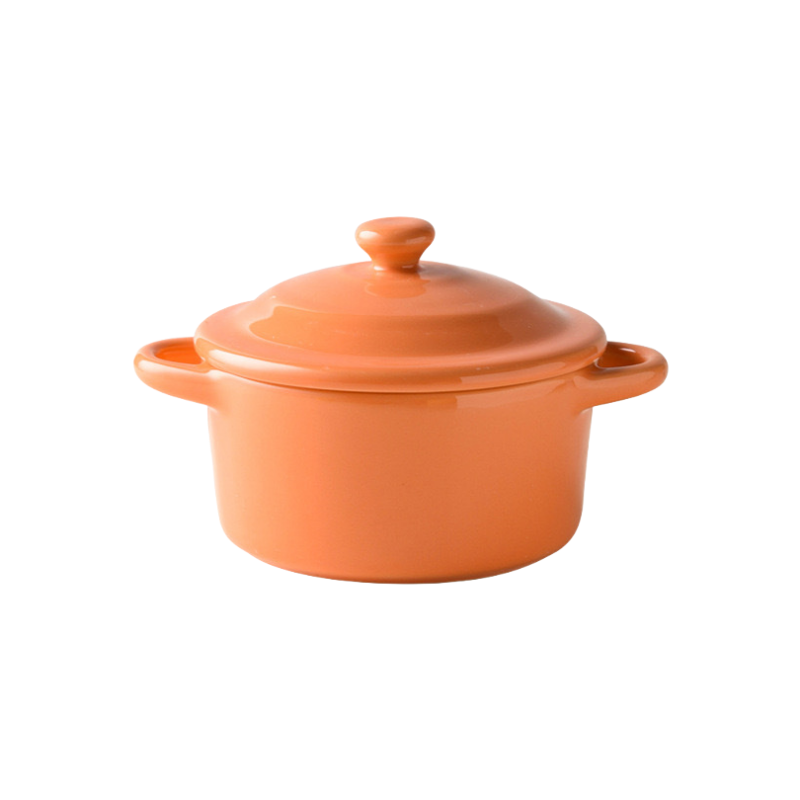
"Featured Tableware for Your RFQ"
Explore products featured in this guide:
Have questions? See our Sizes & Finishes FAQ and Ordering & Certifications FAQ.
Need a custom quote? Send an inquiry or browse our full product catalog.