How Ceramic Mugs and Bowls Are Made: The Forming Methods Behind the Price
The Method Is the Price
Every ceramic piece starts as clay and ends as a shape, and the method that does the shaping is the biggest hidden variable in the quotation. The forming method decides the cost per piece, the minimum quantity, the achievable shapes and the consistency of the batch - and the buyers who can read the method from the factory tour or the quotation negotiate from a position of understanding (see our factory-audit and cost-model guides for the surrounding structure). This guide covers the four main forming methods, what each one costs and produces, and how the method shows up in the products you buy.
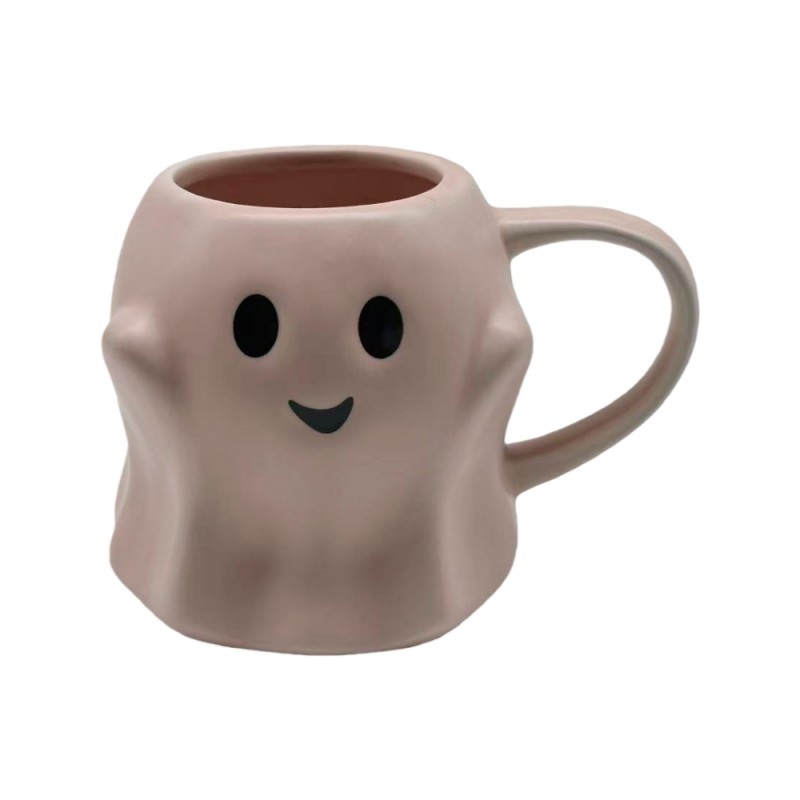
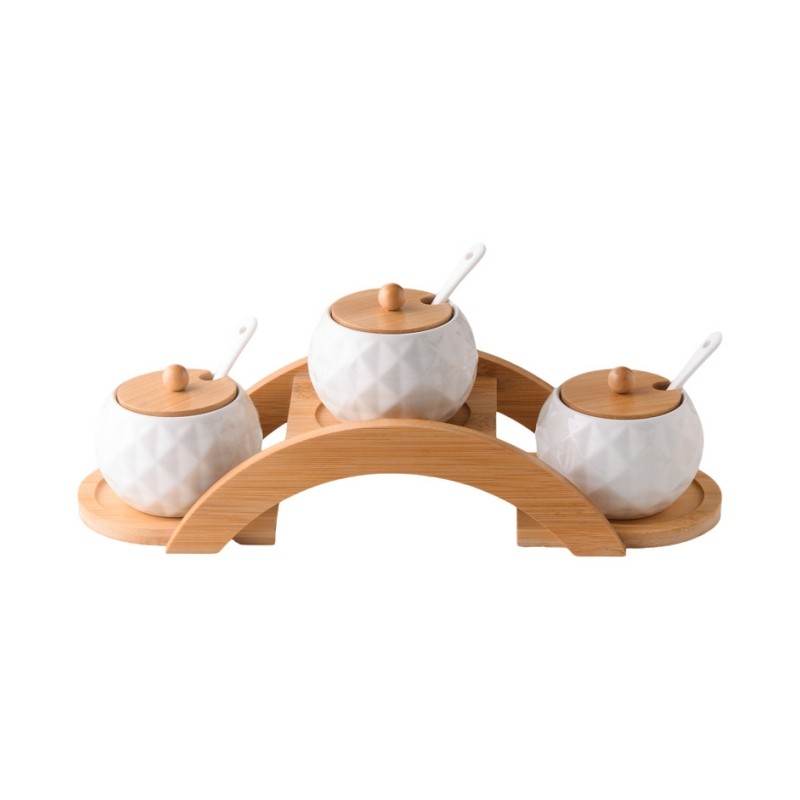
Products in this guide: Novelty Ghost Ceramic Mug · Nordic Ceramic Spice Jar Set
Slip Casting: The Shape Freedom
Slip casting pours liquid clay into a plaster mold, which absorbs the water and leaves a clay shell - the mold defines the shape. It is the method for the shapes that cannot be thrown or pressed: the sculptural forms, the handles molded in one piece, the novelty shapes, the teapots with integral spouts (see our design-trend guide for the sculptural direction). The trade-offs: slip casting is slower and more labor-intensive per piece, so the unit cost is higher, the MOQ is lower, and the batch consistency depends on the mold care and the casting operator - two identical runs can differ if the molds wear (see our mold-engineering guide for the tooling side). When you see a sculptural mug or a novelty piece, you are looking at slip casting.
Jiggering and Pressing: The Volume Workhorses
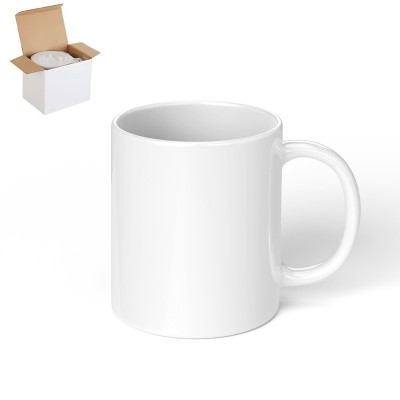
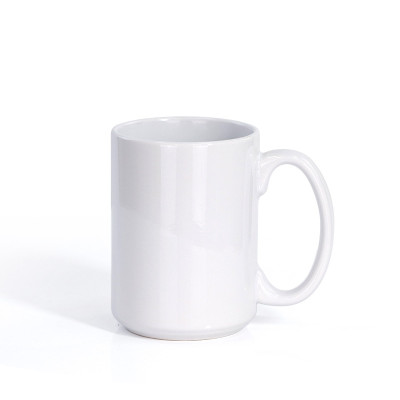
Jiggering shapes the clay against a rotating mold with a profile tool - the classic method for round mugs, bowls and plates in volume: fast, consistent, cheap per piece, and the backbone of the wholesale market (see our wholesale and volume guides). Pressing - dust pressing for flatware like plates and saucers, or plastic pressing for some shapes - compresses the clay into the shape in a die: extremely consistent and fast, ideal for flat, stackable items with tight tolerances (see our chain-standard guide for the tolerance language). The trade-offs: both methods need steel tooling (the molds and the dies, see our mold-engineering guide), they are limited to the shapes the rotation or the press can produce, and they reward volume - the unit cost falls hard as the quantity rises (see our cost-model guide for the math).
Hand Throwing: The Craft Premium
Hand throwing forms the clay on a wheel - the artisan method behind the handmade and kiln-varied lines (see our craftsmanship guides). Each piece is shaped individually, so no two are identical, the output per day is low, the unit cost is the highest, and the batch is consistent only in its variation. It is the method for the gift and craft programs that sell the story of the maker (see our gift-channel and kiln-varied guides). The trade-off is the opposite of pressing: hand throwing gives the story and the premium, and it gives up the volume and the consistency.
Reading the Method in Your Program
The method is not good or bad - it is matched or mismatched to the program. The rules: a volume program of round mugs and bowls belongs on jiggering and pressing; a sculptural or novelty program belongs on slip casting; a craft or gift line belongs on hand throwing or the kiln-varied slip casting (see our color-and-glaze guide for the surface side of the same decision). The quotation reflects the method - the buyer who knows that the sculptural mug is slip-cast and the round mug is jiggered knows which one should carry the higher unit cost and which one should carry the volume discount. The buyers who read the method are the buyers who pay for the shape they are actually getting - and who never pay sculptural prices for jiggered shapes, or jiggered prices for sculptural ones.
"Forming-Crafted Ceramic Products"
Explore products featured in this guide:
Have questions? See our Sizes & Finishes FAQ and Ordering & Certifications FAQ.
Need a custom quote? Send an inquiry or browse our full product catalog.