Home Decor Ceramic Buying: Vases, Planters and Decorative Pieces for the Décor Program
Why the Décor Line Is a Different Purchase
The home decor ceramic line looks like an extension of the tableware line, but it is bought by a different logic, because the piece serves a different function: the tableware piece is used daily and replaced by the standard sizes, while the décor piece is bought for the look - the vase for the entryway, the planter for the patio, the decorative piece for the shelf - and the sale depends on the form, the finish and the styling far more than on the durability (see our color-trend guide for the finish trends, and our region guide for the decorative traditions). The décor buyer therefore buys by the collection, not by the piece: the retail shelf sells the coordinated series - the vase family, the planter family, the accent-piece family - and the buyer's job is to assemble the series that the shelf can sell (see our category guide for the line structure). This guide reads the home decor ceramic category through the buyer's eyes: the vase versus planter versus decorative-piece distinctions, the packaging breakage math and the collection buying that keep a décor program profitable.
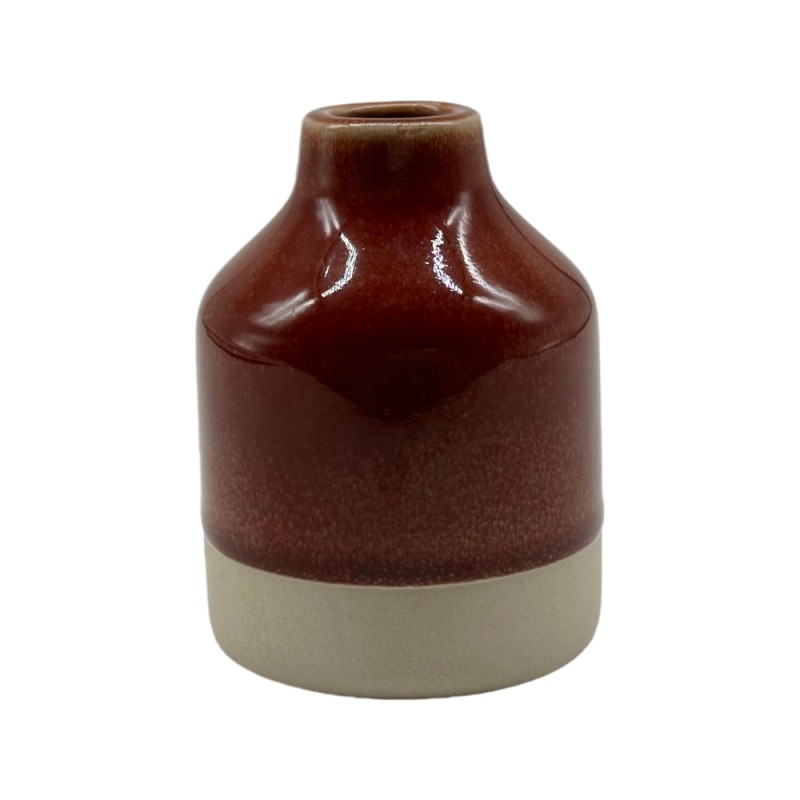
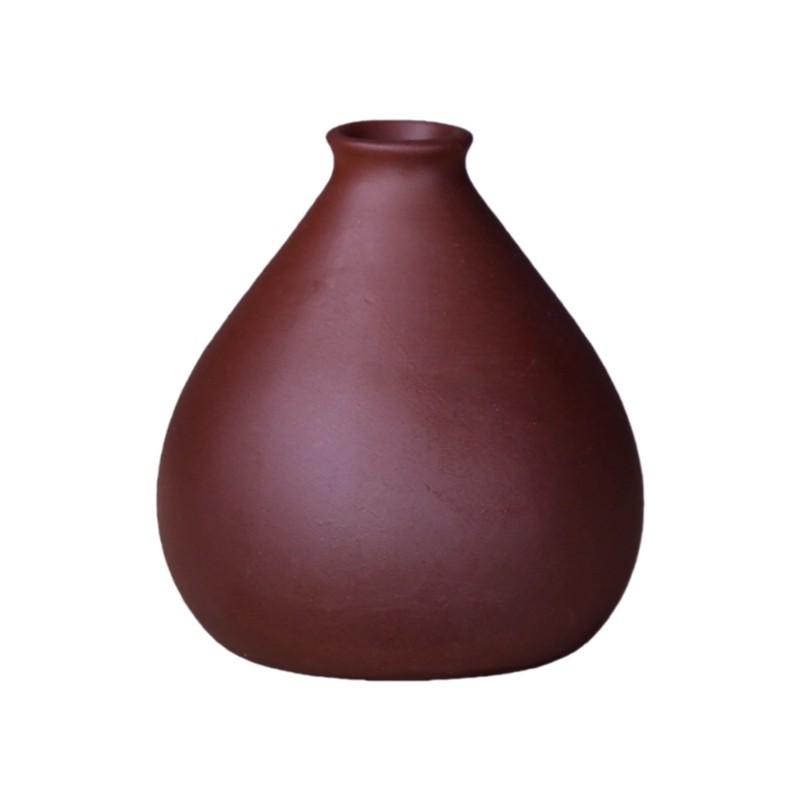
Products in this guide: Modern Ceramic Planter and Vase Set · Mini Matte Ceramic Bud Vase Set
The Form Distinctions: Vase, Planter and Decorative Piece
The décor line divides into three families, and the buyer should buy each family by its own rules. The vase family is the water-carrying line: the narrow-neck bud vase for the single stem, the tall floor vase for the branches, and the table vase for the arrangements - and the vase's quality points are the watertight glaze inside, the stable base and the shape that holds the arrangement without tipping (see our forming guide for the shape effects). The planter family is the outdoor-and-indoor line: the planter holds the plant and the drainage, and the quality points are the drainage hole, the frost resistance for the outdoor pieces and the glaze that survives the weather - the buyer should specify the planter's environment, because the indoor planter and the outdoor planter are different pieces (see our clay-science guide for the body behavior, and our durability guide for the weather variables). And the decorative-piece family is the shelf line: the figurines, the vases without water, the bowls without food - the pieces that carry the look, and the quality points are the finish, the color consistency across the series and the packaging protection, because the decorative piece is bought for the shelf, not for the use (see our color-control guide for the series consistency, and our packaging-guide for the transport protection).
The Packaging Breakage Math
The décor line has one economic rule that the tableware line does not: the breakage rate is higher and the margin is thinner, because the decorative pieces are more fragile - the narrow necks, the long stems, the irregular forms - and the buyer should build the packaging math into the price before the order (see our container guide for the packing logic). The math has three parts. First, the breakage rate: the décor pieces break in the factory handling, the container transport and the retail unpacking, and the buyer should know the real breakage rate for the specific form - the narrow-neck vase breaks more than the bowl - and negotiate the breakage allowance with the factory (see our factory-QC guide for the inspection rates). Second, the packaging spec: the fragile forms need the individual wrapping, the foam or the corrugated dividers, and the packaging cost is part of the piece cost - the buyer should compare the quotation with the packaging included, because the cheap piece with the bad packaging costs more in the breakage (see our quote-reading guide for the cost lines). And third, the retail-ready question: the décor line that ships with the retail packaging - the box that can go on the shelf - saves the retail labor, and the buyer should decide the packaging level with the retail channel in mind (see our FAQ for the packaging question). The signal: the décor quotation should state the breakage allowance and the packaging spec in writing, and the buyer should test the packaging with the real transport before the full order.
Buying by the Collection: The Series Logic
The décor line is sold by the collection, and the buyer should buy by the same logic: the series that coordinates - the same finish, the same color family, the same design language across the vases, the planters and the decorative pieces - sells more than the random assortment, because the consumer buys the look, and the look is the series (see our color-trend guide for the palettes, and our category guide for the series structure). The collection buying has three rules. First, the series plan: the buyer should define the series before the sourcing - the finish family (the matte, the reactive, the hand-painted), the color family and the size range - and source the pieces that fill the series, not the pieces that attract individually (see our color-control guide for the family consistency). Second, the mix ratio: the retail shelf sells the hero pieces - the statement vase, the large planter - and the fill pieces - the small bud vases, the accent pieces - and the buyer should balance the mix, because the hero pieces draw the eye and the fill pieces complete the sale (see our serving-trend guide for the shelf logic). And third, the replenishment: the series that sells gets reordered, and the buyer should check the factory's ability to reproduce the series - the glazes matched, the colors stable - because the series that cannot be reordered dies on the shelf (see our manufacturing-guide for the production stability, and our grading guide for the match checks). The signal: the décor program should be bought as the defined series with the mix ratio and the replenishment plan, not as the one-off pieces.
The Décor Buying Checklist
The décor program closes with a five-point checklist. First, the family: buy the vase, the planter and the decorative-piece lines by their own rules - the watertight glaze, the drainage and the frost resistance, the finish consistency (see our forming guide for the shape quality). Second, the series: define the finish family, the color family and the size range before the sourcing, and source the pieces that fill the series (see our color-control guide for the family consistency). Third, the packaging math: the breakage allowance and the packaging spec in the quotation, and the packaging tested with the real transport (see our container guide for the packing logic). Fourth, the mix: balance the hero pieces and the fill pieces for the retail shelf (see our serving-trend guide for the shelf logic). And fifth, the replenishment: check the factory's ability to reproduce the series before the first order, because the décor program survives on the reorder (see our manufacturing-guide for the production stability). The buyers who run the checklist are the buyers whose décor programs sell - because they bought the collection, the packaging and the reorder, not just the pieces.
"Ceramic Home Decor Pieces"
Explore products featured in this guide:
Have questions? See our Sizes & Finishes FAQ and Ordering & Certifications FAQ.
Need a custom quote? Send an inquiry or browse our full product catalog.