Hand-Painted and Overglaze Ceramics: Buying Artisanal Detail Without the Risk
The Allure (and the Risk) of Handmade Detail
Hand-painted and overglaze-decorated ceramics sell for two to five times the price of their plain counterparts. The premium is real — handwork, kiln craft and one-of-one character are things a machine cannot fake. But for a buyer, handmade also brings real risks: color variation, labor-driven lead times, quality inconsistency between pieces. This guide explains the decoration methods, where the costs really sit, and how to buy artisanal detail without getting burned.
Decoration Methods: What You Are Actually Buying
Hand-painting — an artist paints the design onto the ware by brush, before or after glazing.
- *Under-glaze painting*: colors painted on the bisque, covered by a clear glaze, fired — colors are protected and food-safe.
- *Over-glaze (on-glaze) painting*: colors painted onto the fired glaze, then re-fired at lower temperature (750-850°C) to fuse. This is where fine detail and vivid colors live.
Overglaze (enamel) decoration — machine-assisted on-glaze printing for repeating motifs; the term "overglaze" in buying contexts usually means the fired-on enamel decoration that is dishwasher-safe when done right.
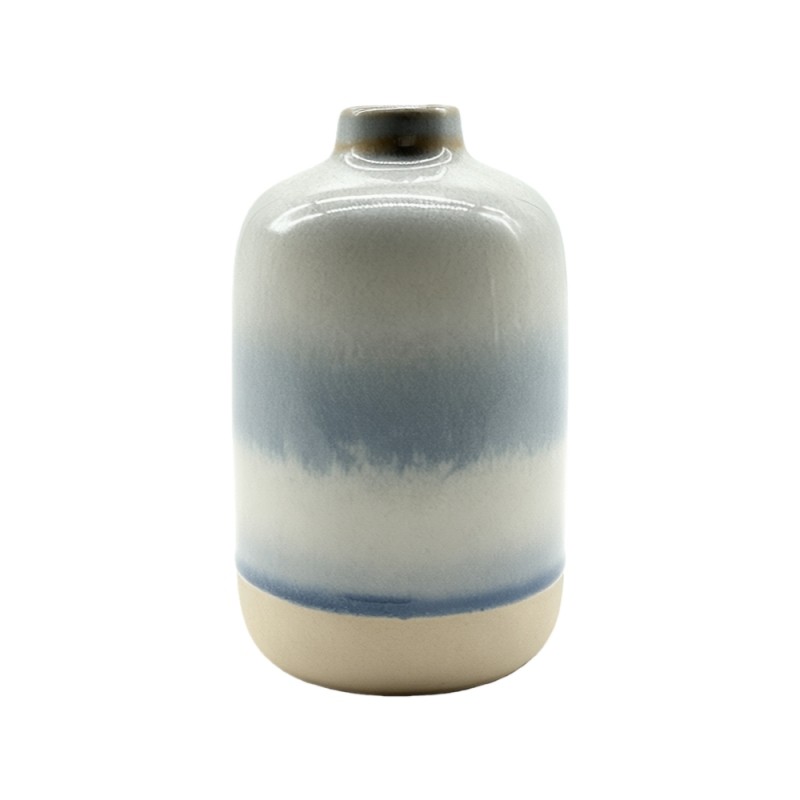
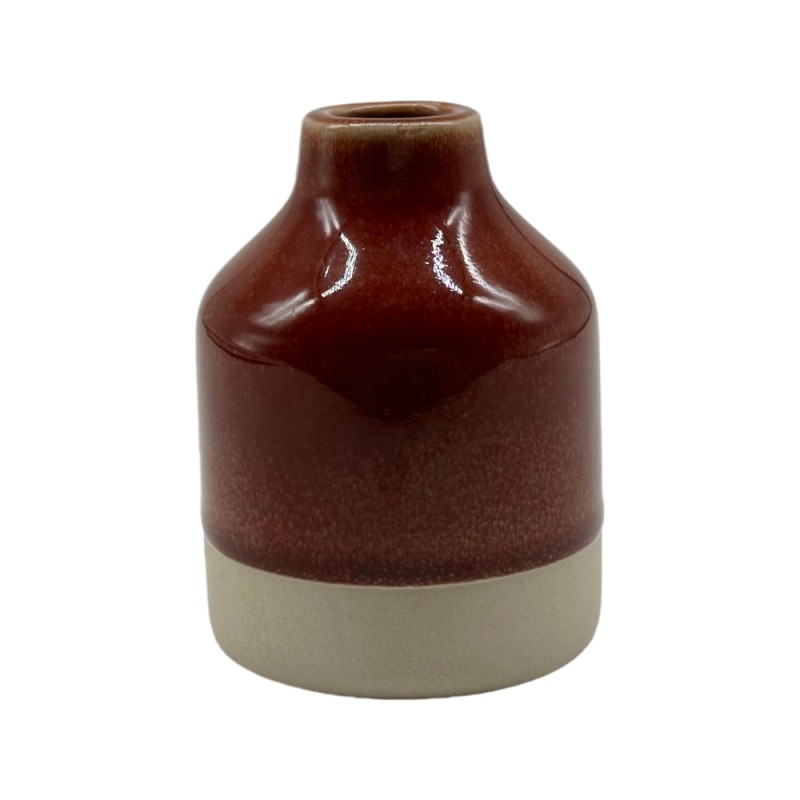
Reactive / crystalline glazes — not painted, but the glaze itself reacts in the kiln, producing unique surfaces (crackle, speckle, color pooling). Each piece is genuinely one-of-one.
Gilding / luster — gold or metallic accents fired on. Beautiful, but ask about dishwasher safety and wear before committing.
Where the Cost Really Sits
| Method | Typical premium vs plain | What drives it |
|---|---|---|
| Overglaze machine decoration | +30-80% | Enamel cost, kiln pass |
| Hand-painted (simple motif) | +50-100% | Labor per piece |
| Hand-painted (detailed) | +100-250% | Artist time, low throughput |
| Reactive / crystalline glaze | +40-90% | Glaze chemistry, kiln risk, yield loss |
| Gilding / luster | +100-200% | Precious-metal material + kiln |
The two biggest cost drivers are labor hours per piece and kiln yield — reactive glazes and handwork both eat yield (a reactive glaze run might reject 10-20% of pieces), and that rejection cost is baked into your price. Do not be surprised by a premium that feels high; understand what it covers.
Artisan QC: The Buyer's Checklist
Handmade is not a license for sloppy. Set expectations up front:
- Agree on acceptable variation per piece — with hand-painting, small differences are the charm; write down what is NOT acceptable (missing brush strokes, glaze voids, cracks).
- Ask for a painter's standard sample — the reference piece the factory paints against. Keep it; production must match its level, not its exact copy.
- Set a per-batch yield expectation — agree on the defect tolerance (typically 3-5% for hand-painted, more for reactive) and the replacement policy.
- Verify food-safety for overglaze — on-glaze colors can contain heavy metals; the fired-on enamel must be tested (LFGB/FDA) if the ware holds food.
- Check dishwasher durability — hand-painted under-glaze is safe; over-glaze and gilding are NOT always — confirm with the supplier and state it on your product page.
Lead Times: Plan for the Human Factor
Hand-decorated production is slower than machine runs:
- Overglaze machine decoration: +3-7 days over plain.
- Hand-painted: +2-4 weeks over plain (painter capacity is the constraint).
- Reactive / crystalline: +1-2 weeks, plus higher sampling time.
- Large hand-painted orders: the painter pool is finite — a 5,000-piece hand-painted run can take 6-8 weeks of painting alone. Plan 8-12 weeks total for hand-painted orders.
Rule of thumb: if the design is hand-painted, order 1.5-2x your normal lead time and get a painted sample approved before production.
Buying Strategies That Balance Artistry and Risk
- Hybrid designs: machine-overglaze the repeating background, hand-paint only the accent (the signature flower, the brand motif). Same look, half the labor cost.
- Sample before scale: always order 1-2 painted samples per design before the mass run — handwork makes the first piece the most important one.
- Cap handwork per order: if your line mixes plain and hand-painted SKUs, keep hand-painted SKUs at 10-20% of volume and let plain SKUs carry the volume pricing.
- Photograph the variation: reactive and hand-painted pieces vary; shoot 3-5 pieces and show the range to your customers so expectations match reality.
- Protect the design: ask whether the painter uses the same palette batch — two different glaze batches can visibly shift a hand-painted design across a reorder.
The Artisanal Buyer's Quick Check
- Which method — under-glaze, over-glaze, reactive, gilding?
- Is the decoration food-safe and dishwasher-safe for your channel?
- What is the acceptable piece-to-piece variation (in writing)?
- What is the defect tolerance and replacement policy?
- Does the lead time cover the painter's real capacity?
Hand-painted and overglaze ceramics are the highest-margin products a tableware brand can carry — and the most variable. Buy them with clear expectations, verified samples and honest lead times, and the "one-of-one" story becomes your pricing power instead of your risk. Want to add artisanal detail to your line? Send us the design and target price point — we will recommend the decoration method that fits the margin.
"Featured Handmade and Glaze Artistry"
Explore products featured in this guide:
Have questions? See our Sizes & Finishes FAQ and Ordering & Certifications FAQ.
Need a custom quote? Send an inquiry or browse our full product catalog.