GPSR and Your Ceramics: The EU's New General Product Safety Regulation Every Importer Must Plan For
A New Market-Access Rule That Applies to Everything
Since December 13, 2024, the EU's General Product Safety Regulation (GPSR) has applied to almost all consumer products sold in the EU — including ceramic tableware and even decorative ceramics. Unlike the older food-contact rules (LFGB, FDA, the EU framework), GPSR is a market-access regulation: a product cannot be lawfully placed on the EU market without meeting it, and enforcement applies to physical stores, marketplaces and online sales alike. For ceramic exporters and their EU buyers, GPSR is the newest layer of "what it takes to sell in Europe."
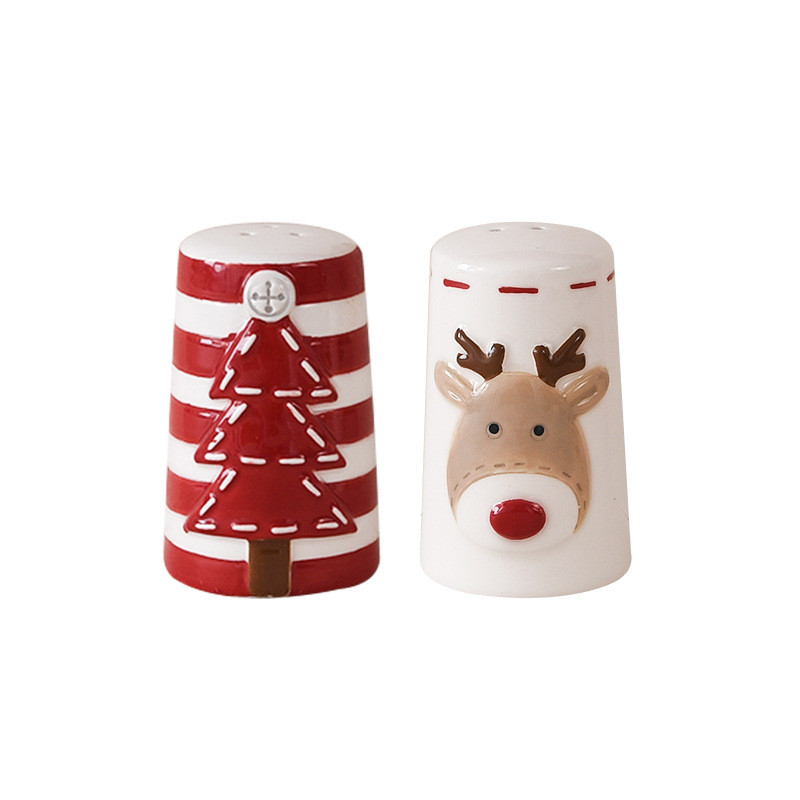
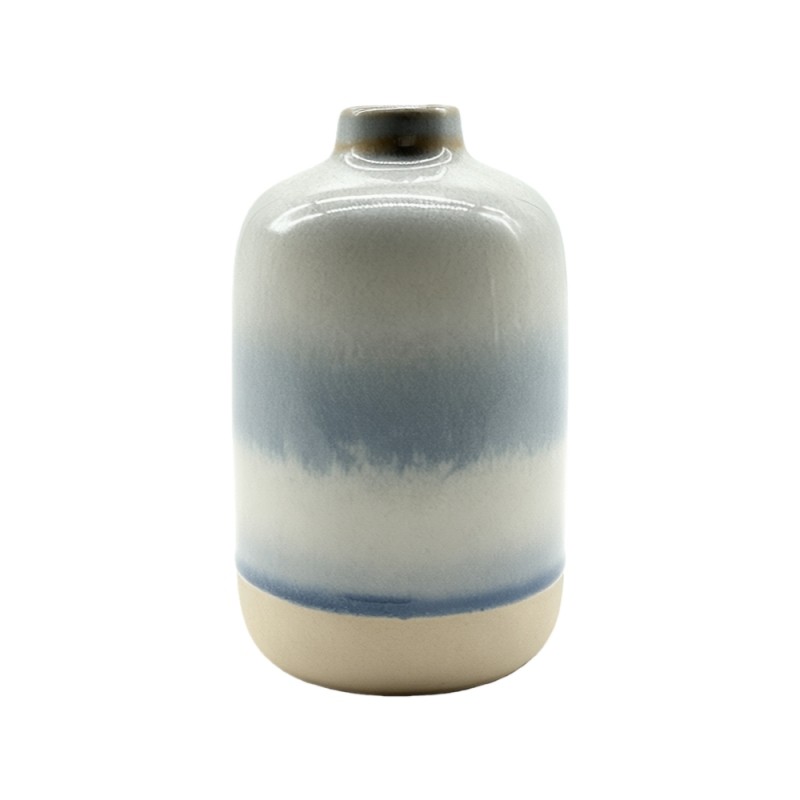
Products in this guide: Nordic Christmas Salt & Pepper Shakers · Reactive Glaze Ceramic Flower Vase
This guide explains the four requirements of GPSR for ceramics and the compliance checklist for importers and brands.
Requirement 1: An EU Responsible Person
Under GPSR, every product placed on the EU market must have an economic operator established in the EU who is responsible for the product: the EU-based importer, the brand's EU entity, or an authorized representative appointed by the non-EU manufacturer.
For a Chinese factory exporting directly to an EU buyer, the responsible person is normally the EU importer (the buyer) — but for a brand selling through a distributor or marketplace, the responsibility must be clear and documented. The practical question to resolve: who is named as the responsible person for each product, and is the contact (name, address, email) on the product or its packaging?
Requirement 2: Traceability
GPSR requires that products be traceable: the manufacturer's identification, the product type/batch, and enough information for the responsible person to act on a safety issue.
For ceramics, traceability means: the manufacturer (factory) name and address on the product or packaging; a batch or production identifier (production date code, batch number) that ties a shipment to its production run; and records that connect the batch to the raw materials and test results. A production date code on the carton and an identifier on the product are the practical minimum — they are also exactly what a customs or market surveillance check asks for first.
Requirement 3: Labeling and Warnings
GPSR carries over the general labeling requirements and adds the responsible-person contact on the product or packaging. For ceramics specifically:
- The responsible person's contact (EU address, email) on the product, its packaging, or a label.
- The manufacturer identification (name and address).
- Any warnings or safety instructions in the language of the member state where the product is sold — for ceramics, typically care instructions (dishwasher/microwave suitability, "may contain small parts" if relevant) and, for decorated ware, the food-contact suitability statement where applicable.
- The type, batch or serial number as traceability above.
Labels must be in the language(s) of the market — a Spanish-market product cannot carry an English-only warning label.
Requirement 4: Online Sales Display
GPSR also applies to distance and online sales: when a product is sold online (marketplaces like Amazon, or the brand's own shop), the offer must display the manufacturer information, the responsible person's contact, and the product identification (type/batch) — visible to the buyer before purchase, not buried in a PDF.
For ceramics sold on marketplaces, this means the product listing itself must carry: the manufacturer name and address, the EU responsible person, and the product identifier. Marketplace sellers who omit these face listing removals — this is the requirement most ceramic sellers discover first, when a listing is delisted.
The Compliance Checklist for Ceramic Importers
Before placing a ceramic product on the EU market under GPSR, confirm the four boxes:
- Responsible person: an EU-based economic operator is named and documented — importer, brand entity, or authorized representative. Who is it, and is the contact on the product/packaging?
- Traceability: manufacturer identification, batch/production identifier, and records linking batch → production → test results.
- Labeling: responsible-person contact, manufacturer ID, warnings in the market language, and any food-contact statements in the language of sale.
- Online display: listings show manufacturer, responsible person and product identifier before purchase.
What to Ask the Factory
For a factory, GPSR readiness is mostly documentation and marking: the factory's registered name and address on the product or packaging; a production date code or batch system on cartons and pieces; test reports (LFGB/FDA/lead-cadmium) issuable per batch; and the cooperation to name an authorized representative if the buyer requires it. A factory that already marks batches and issues per-batch reports is GPSR-ready; one that ships unmarked cartons will cost the buyer the compliance work. GPSR is not a design change — it is a documentation and marking change, and the buyers who plan it now are the ones whose EU listings stay live.
"GPSR-Ready Ceramic Programs"
Explore products featured in this guide:
Have questions? See our Sizes & Finishes FAQ and Ordering & Certifications FAQ.
Need a custom quote? Send an inquiry or browse our full product catalog.