From Sample to Shelf: How European Retail Buyers Select Ceramic Tableware
The Retail Buyer's Door Is Narrower Than You Think
Selling to a European retail buyer is not the same as selling wholesale. A wholesale customer buys for inventory; a retail buyer buys for a shelf with a price tag, a target customer and a sales forecast. The decision is slower, the standards are higher, and the process has predictable stages — but each stage is a gate, and most products never pass all of them. Understanding how the buyer thinks across those gates is the difference between a sample that gets tested and a sample that gets passed on.
This guide walks through the five stages of European retail buyer selection for ceramic tableware, and what a supplier should have ready at each one.
Stage 1: Market Research and Range Planning
What the buyer does. Retail buyers work backward from their market: what is selling, what their store format needs, what gaps competitors have. For tableware in 2026, that means sustainability framing (recyclable, low-waste, lead-free), on-trend finishes (matte, reactive, handcrafted), and a price architecture that fits their shelf — a mid-market mug at one price point, a premium gift line at another.
What the supplier should do. Position the range in the buyer's language: not "we make mugs," but "here is a range covering your price architecture — everyday, premium, and gift." Show the buyer how the range fills their planogram, not just what each piece looks like.
Stage 2: The Supplier Shortlist
What the buyer does. Buyers shortlist 3-5 suppliers per category. The shortlist filters on: compliance documentation (LFGB/REACH, social audits), production capacity for retail volumes, packaging capability (retail-ready, gift-boxed), and past retail experience — references from known retail programs carry huge weight.
What the supplier should do. Have the documents ready before the first call: LFGB/REACH statements, audit reports, packaging samples, and a reference list. A buyer who must chase documents is a buyer who moves on.
Stage 3: Sample Evaluation
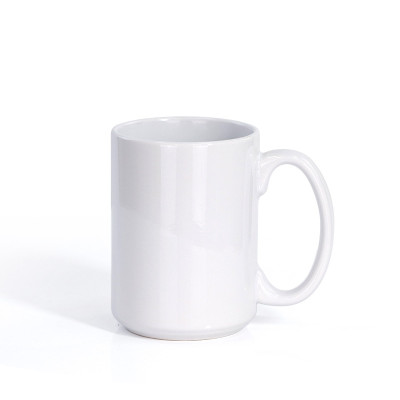
What the buyer does. Samples are judged physically and commercially: glaze consistency across pieces, weight and feel in the hand, rim and handle quality, how the piece photographs, and whether the sample matches the quoted spec exactly. Buyers also test how the mug behaves — microwave, dishwasher, stackability — because returns kill retail margins.
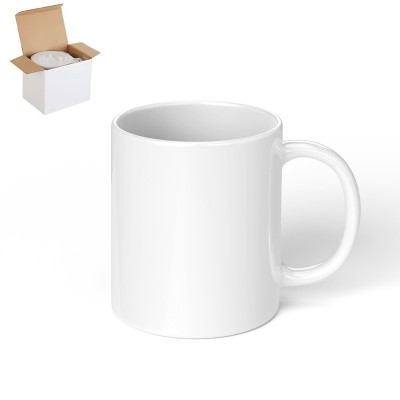
What the supplier should do. Send samples that match the production spec exactly, and include multiple pieces from one batch so the buyer can check consistency. Include the packaging in the sample box — a retail buyer is evaluating the whole shelf unit, not just the ceramic.
Stage 4: Compliance and Testing
What the buyer does. Before listing, the buyer verifies food-contact compliance (LFGB for most EU markets, REACH for chemical safety), social compliance (BSCI/SEDEX), and any packaging regulations (packaging waste rules, labeling requirements). Some retailers run their own lab tests on a sample from the production line.
What the supplier should do. Provide test reports for the exact product and decoration, not generic material certificates. Confirm compliance for the specific EU market — German retailers often require LFGB where others accept a different standard. Be ready for a production-line sample to be sent to the buyer's own lab.
Stage 5: The Shelf Launch
What the buyer does. The launch decision covers price points, order quantities, delivery windows, packaging/display units, and how the product performs against the retailer's margin targets. Buyers may start with a test order to one region or store cluster before a national rollout.
What the supplier should do. Make the first order easy: confirm the delivery window that hits the buyer's merchandising calendar, provide display-ready packaging, and hold reorder capability — retail programs that sell through need a repeat order in weeks, not months.
What Makes a Supplier Win the Retail Game
Across all five stages, the suppliers who win retail programs share the same traits: they speak the buyer's language (range, price architecture, shelf), they have documents ready before they are asked, they send production-exact samples with packaging, they pass compliance without friction, and they deliver on the reorder schedule. Retail is not about the single best mug — it is about being the easiest supplier to say yes to, at every gate.
Ready for the European Shelf
If you are preparing a range for European retail, we can support every stage: production-exact samples with retail packaging, LFGB/REACH documentation for the exact decoration, compliance reporting for BSCI/SEDEX where required, and reorder-capable production for sell-through programs. Send us your target retail market and price architecture; we will build the range and the documentation around your shelf.
Buyers ready to move from planning to a production run can start with our custom ceramic mugs bulk order page, which sets out the factory-direct route end to end.
"Retail-Ready Tableware for European Programs"
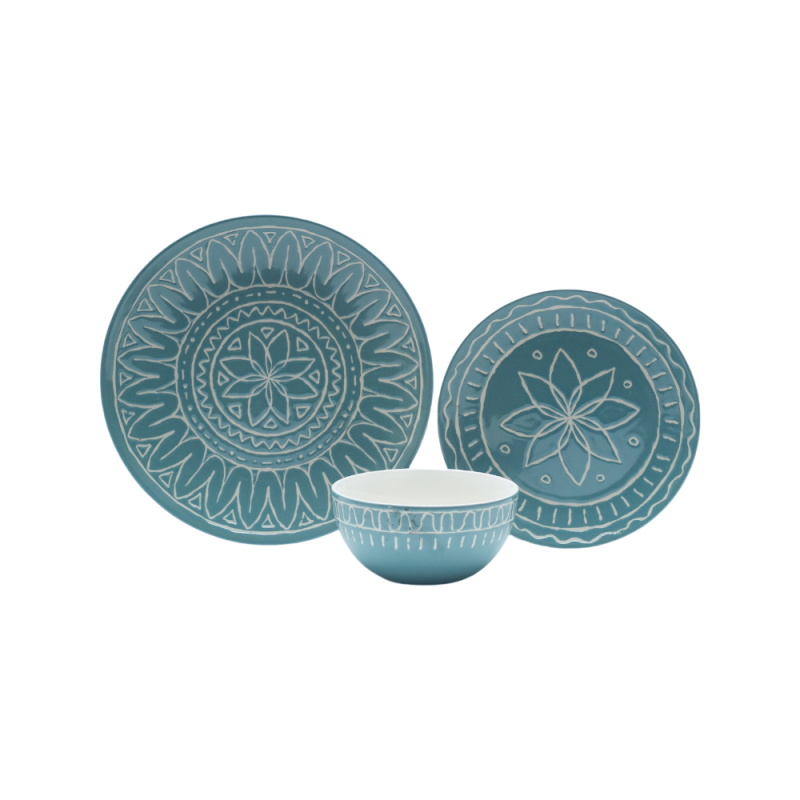
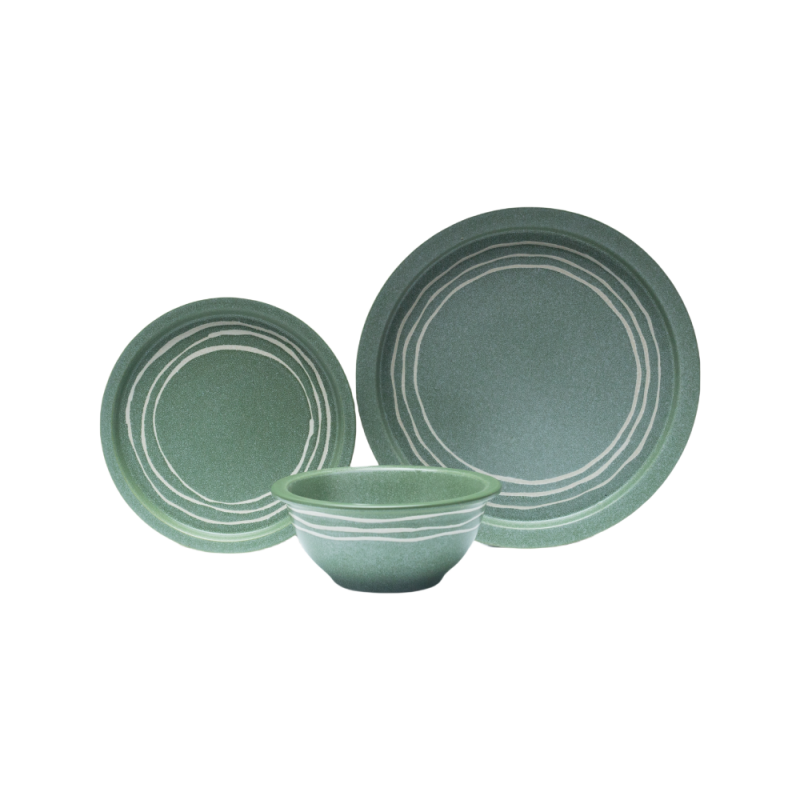
Explore products featured in this guide:
Have questions? See our Sizes & Finishes FAQ and Ordering & Certifications FAQ.
Need a custom quote? Send an inquiry or browse our full product catalog.