
From Inquiry to Order: Where Most Ceramic Enquiries Quietly Die
The Problem: Enquiries Arrive in a Form That Cannot Be Quoted
An enquiry that reads "please quote 1,000 custom mugs" cannot be answered accurately, because the answer depends on five things the message does not contain. In practice, a large share of inbound enquiries are structurally unquotable, and a large share of the rest are never followed up after the first reply. The result is a pipeline that looks healthy in volume and produces very few orders. The remedy is unglamorous: qualify first, structure the reply, and follow up on a schedule.
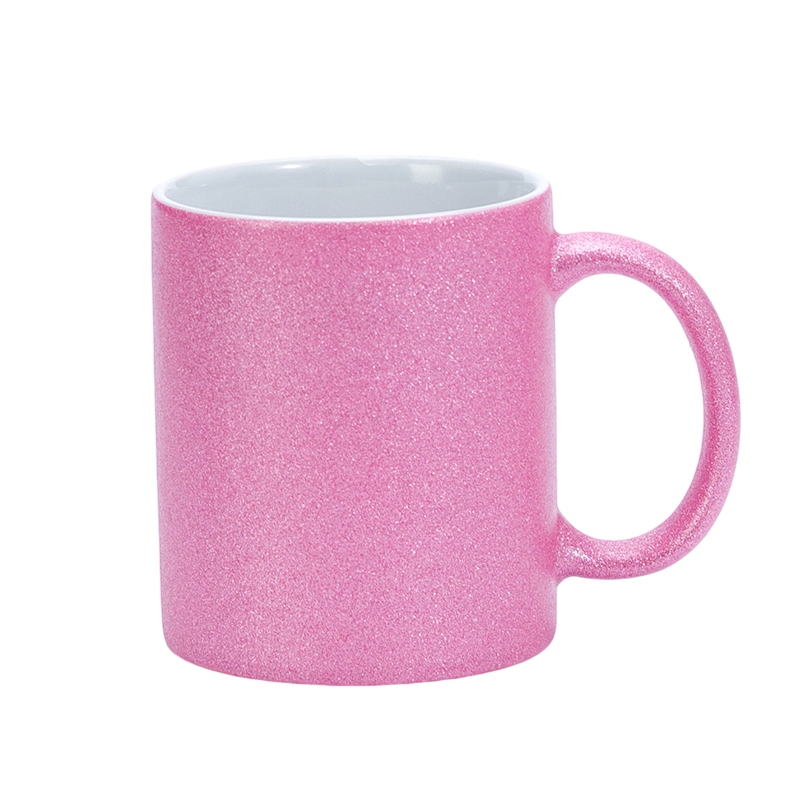
Products in this guide: Heart Handle Sublimation Mug · 11oz Glitter Sublimation Mug
Where This Fits in the Sourcing Chain
Conversion is where the specification actually begins: an enquiry that is qualified properly produces a specification, and a specification produces a repeatable order. The spec freeze guide explains how artwork and packing files are locked between orders. Where the reply has to set out packaging, timing and terms, it is already the first draft of the agreement. The packaging guide explains how retail-ready and protective layers are specified together. The full chain follows the standard sourcing map. See the full ceramic sourcing process map.
Step One: Qualify Before Quoting
Five questions determine whether an enquiry can become an order, and they are worth asking in one short message rather than over five exchanges. What is the product and its function — a working mug or a gift. What quantity, per design — because minimums attach to designs, not orders. What date matters — shelf date, event date, or no fixed date. What market and channel — because labelling and compliance follow from it. Who is the buyer — importer, distributor, chain, or an end user buying once. An enquiry that cannot answer these is not a prospect yet; it is a request for education, and it should be answered with a link rather than a quotation.
Step Two: Structure the Reply
Four elements make a reply convert. A direct answer to what was asked, in the first two lines, because a buyer comparing five suppliers will not read a preamble. The specification stated plainly — capacity, material, decoration method, packaging — so the buyer can compare. The price with its conditions: quantity band, Incoterm, validity period. And one clear next step — a sample request, a specification confirmation, or a date to speak. A reply that ends without a next step is a brochure.
Step Three: The Follow-Up Sequence
Most orders are not won on the first reply, and a follow-up is not the same as a reminder. Four touches work: the answer (same or next working day, always), the specification or sample confirmation at the point the buyer engages, the timing nudge — a short note that the production window for their date is approaching — and the close, which is a specific question: do you want to proceed with this specification, or shall I adjust it? Each touch should carry information rather than pressure; a message that only says "any update?" trains the buyer to ignore the next one.
Step Four: Record What Happened
An enquiry that is not logged cannot be learned from. The useful record is short: date, country, channel, product, quantity if stated, budget if stated, and the reason the enquiry ended — no reply, no quantity, price, timing, or won. Over a year, that record answers the questions that matter: which channel produces quotable enquiries, which markets ask for what, and which objections repeat.
The Honest Assessment
Two facts are worth stating plainly. Response speed matters more than polish, because a buyer with a live project replies to whoever answers first with something specific. And not every enquiry deserves a quotation — a useful share of them are below minimum, outside scope, or from parties who cannot be verified. The commercial skill is not replying to all of them; it is replying quickly and well to the ones that can become orders, and redirecting the rest without burning a week.
The Habit That Ties It Together
The habit is to treat an enquiry as the first step of a specification rather than as a request for a number. Programs that do this convert a modest pipeline into a book of orders.
Related Products
Explore products featured in this guide:

Have questions? See our Sizes & Finishes FAQ and Ordering & Certifications FAQ.
Need a custom quote? Send an inquiry or browse our full product catalog.