
Fettling and Trimming: The Ten Minutes That Decide Three Defects
The Problem: The Step With No Specification
Between forming and glazing there is a stage that most specifications ignore entirely: fettling — the manual work of removing seams, smoothing rims, cleaning foot rings and correcting small forming marks. It is done by hand, it varies between operators, and because it produces no documents it is invisible to a buyer. Yet four of the most common complaints trace back to it: a sharp rim, a foot ring that is not flat so the piece wobbles, a visible seam line running up the handle or the body, and surface roughness where a patch was missed and the glaze pooled or crawled over it.
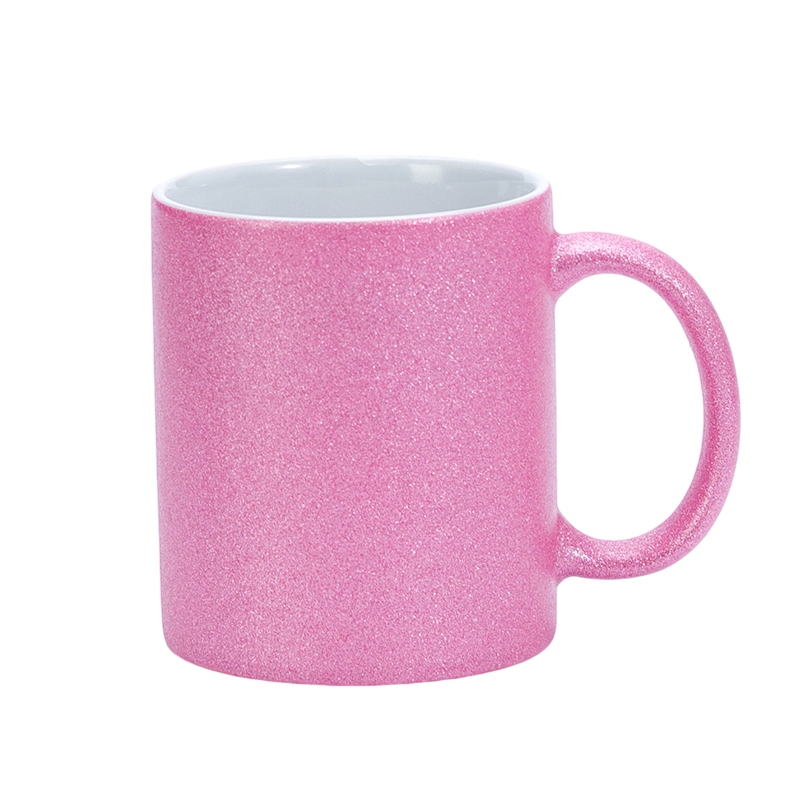
Products in this guide: 12oz Blank Sublimation Latte Mug · Heart Handle Sublimation Mug
The commercial reason to care is that all four survive glazing and firing. A sharp rim is not fixed by a good glaze; it becomes a rim that cuts.
What the Step Actually Does
Five operations, in the order they normally occur.
Seam and parting-line removal. Where a piece comes from a two-part mould, a fine ridge remains along the join. It is removed with a sponge, a scraper, a wet sponge-finish or a fine abrasive, depending on the body and the stage.
Rim and edge smoothing. The rim is rounded so that it is comfortable against the lip. This is the operation most directly linked to a customer's experience, and the one with the least written standard.
Foot ring cleaning. Excess material inside the foot ring is removed and the ring is levelled so that the piece stands flat. A foot ring that is thicker on one side is a wobble waiting to happen.
Handle and joint clean-up. Excess slip or body around a handle joint is removed and the junction blended, which links directly to handle strength: a joint left with a stress-raising step is weaker than a blended one.
Dust removal. Loose dust left on the surface causes crawling and pinholes in the glaze, so fettling ends with a clean finish and, where the process allows, a dust-free interval before glazing.
The Four Defects It Causes
The sharp rim. Caused by insufficient smoothing, or by a rim that was trimmed but not rounded. Detectable by touch, and it should be in every arrival checklist: run a finger or a soft cloth along the rim, all the way round.
The uneven foot ring. Caused by inconsistent trimming. Detected by the wobble test on a flat surface — the same test used for warping, and often confused with it. The distinction matters because the fix is different: warping is a drying or firing issue, an uneven foot ring is a trimming issue.
The visible seam. Caused by a parting line that was missed or removed too late. It usually becomes more visible after firing, because the glaze pools slightly along a shallow groove and the line reads darker or shinier than the surrounding surface.
The dusty or rough patch. Caused by dust left on the piece, or by a rough area that the glaze could not cover evenly. It appears as pinholes, crawling or a dull patch, and it is frequently blamed on the glaze — which is why a fettling record helps: a pinhole cluster in one area points at the surface rather than the slurry.
Writing a Standard for Manual Work
Manual work can be standardised without pretending to be precise. Four elements do most of the work.
A defined finish for each surface. Distinguish visible surfaces (the outside, the rim, the handle) from non-visible ones (inside the foot ring, the base) and state what is required for each. This is what allows a base to be acceptably slightly rough while a rim must be smooth.
A touch test, named. Rim: a finger or a soft cloth around the full rim, no roughness that catches. Foot ring: check that the ring is continuous and that the piece does not rock beyond the agreed gap on a flat surface. Handle joint: no step that a fingernail catches.
A visual standard, photographed. One accepted and one rejected example per defect class, attached to the specification. For seams and roughness, a photograph settles more arguments than a paragraph.
An inspection point in the process. Fettling should be checked before glazing, because that is when a correction is still cheap. A defect found after firing has already consumed a firing's worth of cost.
A dryness rule. Fettling works differently on greenware, on leather-hard ware and on bisque. Working too dry causes chipping and dust; too wet causes distortion. Stating the condition at which fettling is performed — and the interval before glazing — removes a whole class of avoidable variation.
The spec freeze guide explains how artwork and packing files are locked between orders.
Where It Interacts With the Other Specifications
Three links worth stating, because they are where a buyer's decisions and the factory's process meet.
With handle strength. A blended joint is stronger than a stepped one. If handle load testing is in the specification, the fettling standard for the joint should be too.
With warping. Trimming a foot ring too aggressively, or at the wrong moisture, introduces stress that shows up later as distortion. The drying and warping controls and the fettling standard should be written by the same person.
With the glaze. Dust is the enemy of a clean glaze surface. A stated clean interval between fettling and glazing is a two-line specification item that prevents a recurring defect.
The packaging guide explains how retail-ready and protective layers are specified together.
What to Ask a Supplier
Five questions.
- At what stage is the rim smoothed, and how smooth is it required to be?
- How do you ensure the foot ring is level — is there a check, or is it the operator's judgement?
- What is the standard for a handle joint after fettling: is any step allowed?
- How do you prevent dust reaching the glazing area?
- When a roughness or seam complaint has come in before, what changed in this step?
The Habit That Ties It Together
The habit is to write a standard for the manual step, with touch tests and photographs, and to inspect it before glazing rather than after. Programs that do this sell rims that are comfortable, bases that sit flat, and seams that nobody notices.
Related Products
Explore products featured in this guide:



Have questions? See our Sizes & Finishes FAQ and Ordering & Certifications FAQ.
Need a custom quote? Send an inquiry or browse our full product catalog.