Father's Day and the Male Gift Problem: What Actually Sells
The Problem: A Big Occasion With a Thin Product Brief
Father's Day is one of the largest gifting dates of the year and one of the least well served by tableware design. The reason is structural: most decorated ceramics are developed for the customer who buys them — and across tableware, gifting and homeware that customer is predominantly shopping for a female recipient. The result is a male gift shelf made up largely of the same mugs in darker colours. It is a gap, and in commercial terms it is a favourable one: less competition, a clear price point, and a brief that is easy to satisfy once it is understood.
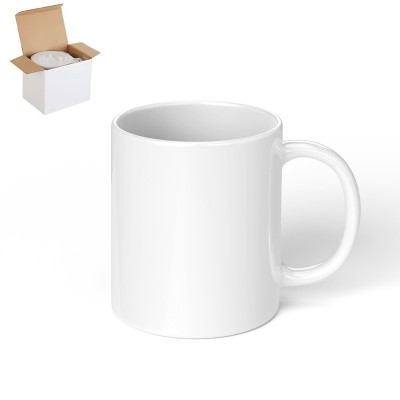
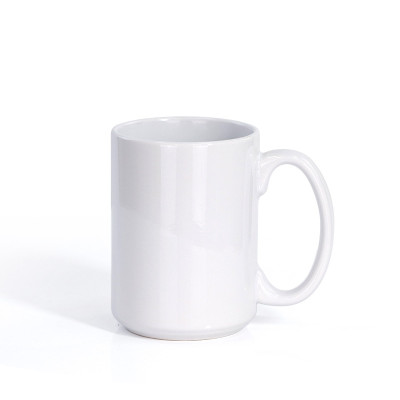
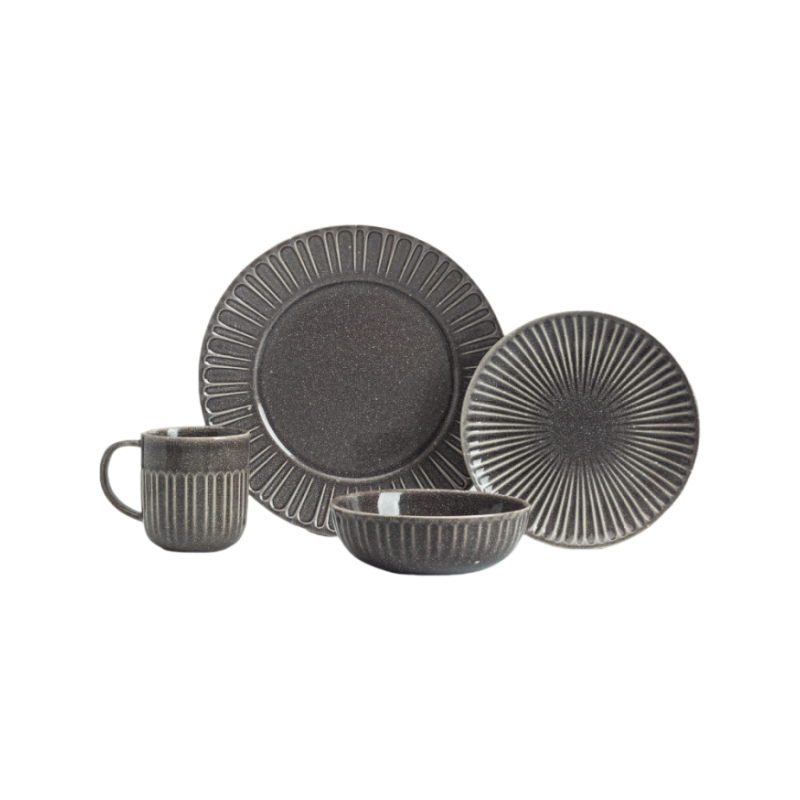
Products in this guide: 500ml Stoneware Ceramic Mug · Grey Reactive Glaze Stoneware 4-Piece Dinnerware Set
Where This Fits in the Sourcing Chain
A single date, planned backwards like any other. The replenishment calendar maps the ordering windows for the whole year. Because the design language differs so much from the rest of the catalogue, it is also worth freezing as a separate specification rather than as a variant. The spec freeze guide explains how artwork and packing files are locked between orders. The full chain follows the standard sourcing map. See the full ceramic sourcing process map.
What the Brief Actually Is
Four characteristics recur across the markets where this occasion is bought.
Capacity over ornament. A larger mug — 15 ounces and above — reads as a male gift in a way that a small decorated cup does not. It is the single most reliable product decision in the category.
Matte and industrial finishes. Matte glazes, stoneware textures, dark greys, deep greens, blacks and natural clays. Glossy pastels and floral prints are not the brief, however well they sell elsewhere.
Function as the story. Beer steins, pint glasses, barbecue and workshop themes, travel and car motifs — the design is anchored in something the recipient does. A mug that references an activity outsells a mug that references a person.
Restrained branding. Initials, a single date, a short phrase. The decoration should look considered rather than sentimental.
Structures That Work
Three, in ascending price. The large single mug, plain or with a monogram, in a simple box. The paired set — a mug with a matching coaster, bottle opener or small dish, which raises the price point without raising the freight much. The stein, for the beer-adjacent market, which is a genuinely different product and the highest-value item in the category.
The Packaging Question
Father's Day is bought late and wrapped in a hurry, and the packaging should assume that. A box that closes simply, holds the piece firmly and carries a short message outperforms an elaborate unboxing construct here — which is the opposite of the Valentine's logic and worth noting for buyers running both seasons from the same packaging supplier.
The Ordering Window
Father's Day falls on 20 June 2027 in both the United States and the United Kingdom. Working back: shelf by early June, transit and clearance four to six weeks, production four to six weeks, sampling three weeks — the order belongs in February, with artwork frozen in January. The window is close enough to the spring programmes that a buyer can share capacity with them; it is far enough from the Christmas cycle that no production clash is likely.
The Habit That Ties It Together
The habit is to notice which customer the catalogue has been designed for, and to serve the other one deliberately. Programs that do this find in Father's Day an unglamorous, repeatable occasion with less competition than any other date on the calendar.
Related Products
Explore products featured in this guide:

Have questions? See our Sizes & Finishes FAQ and Ordering & Certifications FAQ.
Need a custom quote? Send an inquiry or browse our full product catalog.