Enabling the Buyer's Team: What Makes a Product Sell After It Lands
The Problem: The Product Arrives Without Its Story
A container of well-made ceramics reaches a distributor's warehouse, and the people who have to sell it know three things: it is ceramic, it comes in three colours, and it costs what it costs. They cannot explain why the glaze holds up, what the capacity suits, or who the product is for. A product that cannot be explained sells slowly, and a slow range is the first candidate for replacement at the next buying review. Enablement — helping the buyer's team sell what they bought — is therefore not a courtesy. It is the mechanism by which a first order becomes a programme.
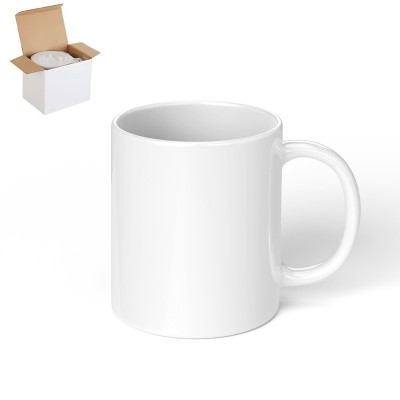
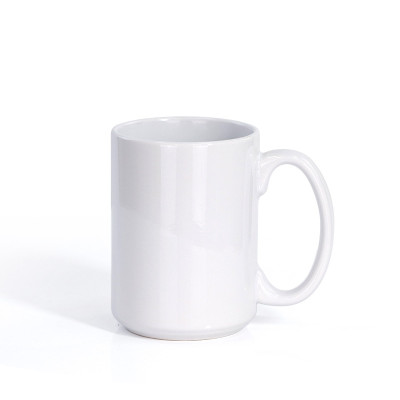
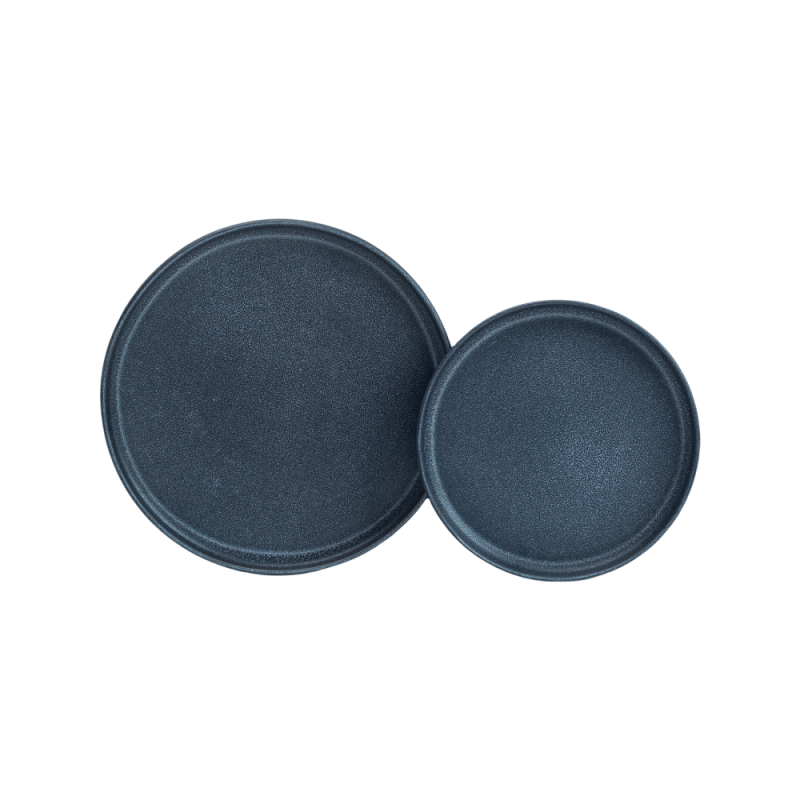
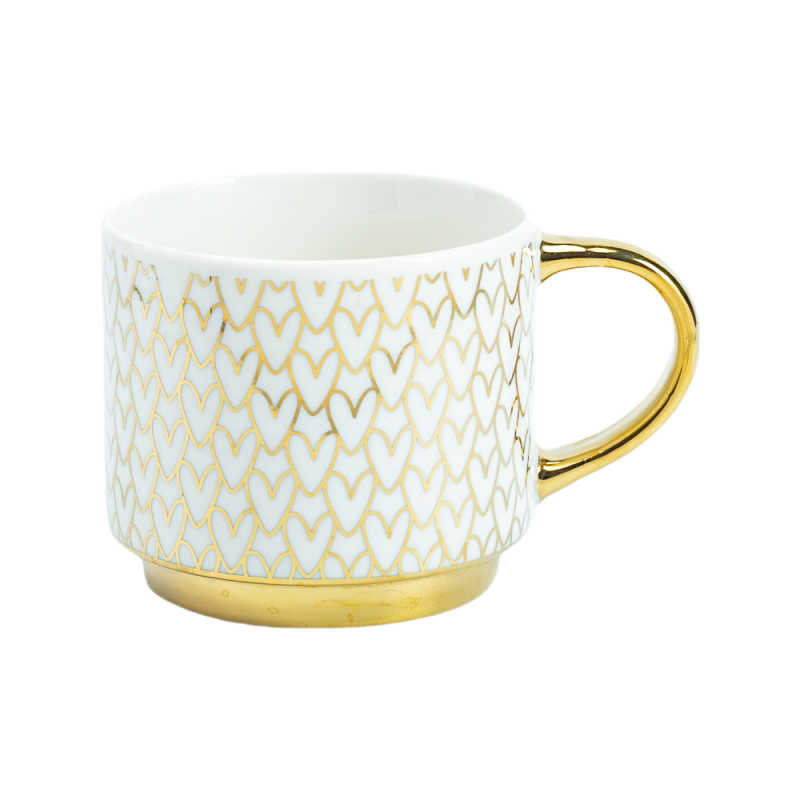
Products in this guide: Reactive Glaze Dinner Plate · White Ceramic Dinnerware Sets
Where This Fits in the Sourcing Chain
Enablement is built from the specification, because accurate claims require accurate data. The spec freeze guide explains how artwork and packing files are locked between orders. Much of it lives on the pack and in the box, so it is decided with the product. The packaging guide explains how retail-ready and protective layers are specified together. The full chain follows the standard sourcing map. See the full ceramic sourcing process map.
The Five Assets Worth Providing
A one-page specification sheet. Capacity, weight, material, glaze type, care requirements, packing quantity — in the language of the destination market. It costs almost nothing and answers most questions a sales team will be asked.
Photography that shows the product in use. A mug on a desk, a bowl on a table, a set on a shelf. Plain catalogue shots on white are useful for catalogues; in-use photography is what sells in social posts, retailer portals and pitch decks.
A short list of true claims. Four or five sentences a salesperson can repeat without risk: dishwasher safe, microwave guidance, which glaze, what the capacity suits, whether it stacks. Honest and specific — never a health claim and never an invented durability figure.
Shelf or counter material where the channel wants it. A small card, a shelf strip or a display unit that explains the product at the point of sale, in the retailer's own language.
A training note for the buyer's team. Ten bullet points on what to emphasise, what questions to expect and what the product is not designed for. It is remarkable how much difference one page makes to a distributor's confidence.
Why the Supplier Should Care
Four returns, all measurable. Faster sell-through, because an explained product moves off the shelf sooner. Fewer support questions, since the specification sheet answers what would otherwise arrive as an email. Better reorder quality, because a buyer who understands the range reorders the right items rather than repeating last season's guess. And switching cost, which is the least discussed: a buyer whose team is trained on your specification, packaging and care guidance has more reasons to stay than a buyer who only has a price.
What to Ask For in Return
Enablement is a two-way exchange, and asking for something back keeps it honest. Three reasonable requests. Feedback on what the market said — which pieces were questioned, which claims were doubted — because it improves the next range. Permission to use the buyer's photographs and results as a reference, where the relationship allows it. And a note on the objections that came up, because a repeated objection is a product or a wording problem, and both are fixable.
The Boundary
Enablement is not the same as doing the buyer's marketing for them. The supplier provides accurate material about the product; the buyer runs their own campaigns. Where a supplier does go further — full creative work, campaign assets — that is a service, and it should be priced or traded for volume rather than given away as goodwill, because goodwill does not survive a change of buyer.
The Habit That Ties It Together
The habit is to ship the story with the product. Programs that do this get reordered because the range sold — not merely because it arrived.
Related Products
Explore products featured in this guide:

Have questions? See our Sizes & Finishes FAQ and Ordering & Certifications FAQ.
Need a custom quote? Send an inquiry or browse our full product catalog.