
E-Commerce and Platform Warehouse Prep for Ceramic
Every Unit Has to Be Sellable on Arrival
Selling through an online marketplace or a fulfilment warehouse changes what packaging has to do. The warehouse is not going to unpack a carton, select a mug, add a label and repack it. It receives cartons, scans them, and either stores them or ships the individual unit exactly as it arrived.
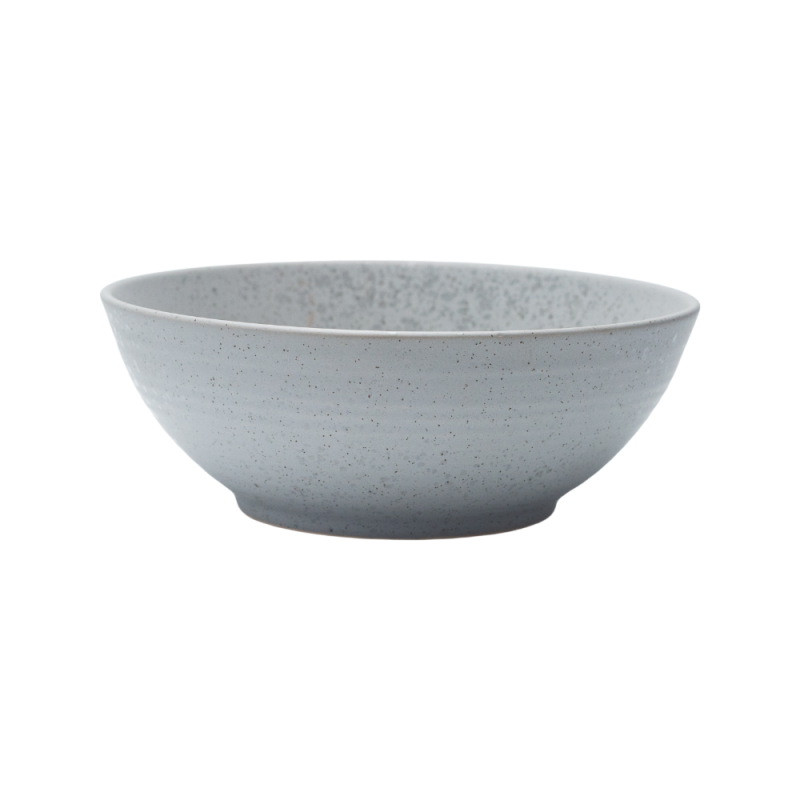
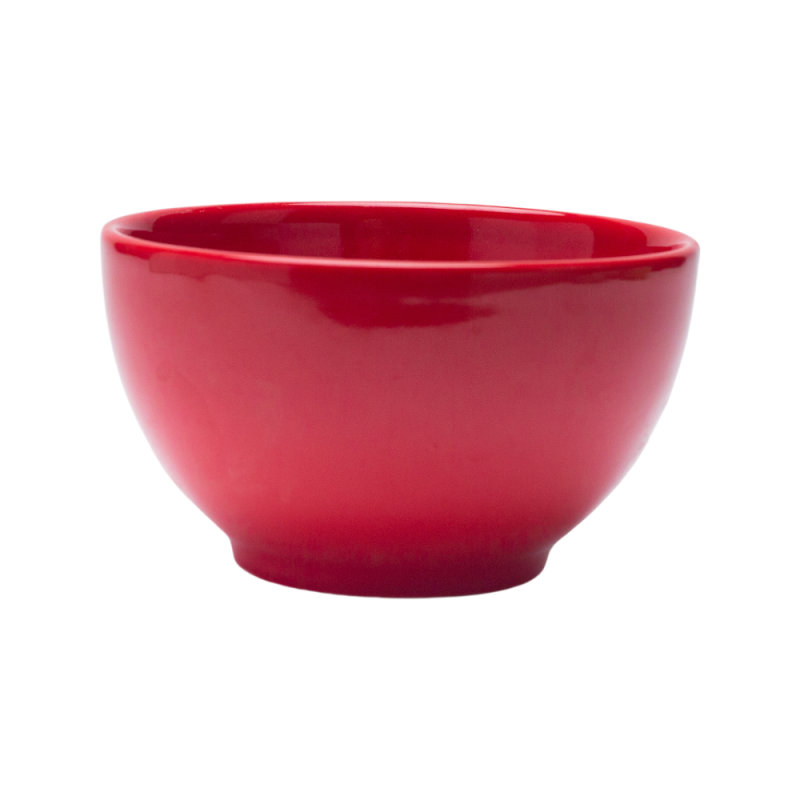
Products in this guide: Nordic Matte Speckled-Glaze Stoneware Bowl · Vibrant Glazed Ceramic Bowl
If the unit is not individually identified and protected when it leaves the factory, the problem appears as a rejected inbound shipment or as a customer complaint that was never a manufacturing defect.
The Requirements That Come With the Channel
The exact rules belong to the platform or the warehouse, and they change. The categories are stable:
- A unit label. Each sellable unit carries its own barcode, placed on a specified surface — usually a panel that stays visible, not the base and not a curved surface that a scanner cannot read.
- A unit covering. Many platforms require the unit to be enclosed: a poly bag, a bag with a suffocation warning, or a boxed unit. The requirement is about handling and identification, not about protection.
- A case pack the warehouse can use. The case is scanned and stored, not opened. The pieces per case must match the case label, and the case label must be a scannable barcode rather than a printed number.
- A pallet the warehouse can put away. Standard footprint, a maximum height, no overhang, and a shipping label on a specified face.
- Weight and dimension limits per carton, because the handling equipment has limits and a heavy mixed carton is a manual-handling problem.
- No loose filler in the case. Loose material that shifts in transit ends up as debris and as an unsealed case.
Why a Bag Is Not Protection
This is the mistake that costs the most, because it looks like compliance:
- A poly bag addresses identification and handling. It is thin, non-cushioning and offers essentially no impact protection.
- The protection has to come from the insert, the fitment that holds the piece inside its cavity — not from the bag around it.
- Decorated and handle-bearing mugs need the insert to match the shape, because a generic cavity presses on the handle or lets the rim contact the cavity wall.
- Bundles and sets need their own fitment. A two-piece set held together only by a bag will separate and chip against each other.
Where the channel requires a bag and the product is fragile, both are needed: the insert protects the piece, the bag identifies and contains it.
The Damage Question
Transit damage to a fulfilment warehouse is a commercial question that is better settled before the first shipment than after it:
- Who bears damage found at inbound? Warehouses typically record and report, but the claim runs back through the forwarder and the supplier.
- What evidence is accepted? Inbound photographs, a discrepancy report from the warehouse, and the ability to tie the finding to a specific carton and pallet.
- What is the remedy? Replacement units, a credit, or the cost of the damaged stock — agreed in advance rather than negotiated under pressure.
Testing a First Shipment
The practical approach is not to perfect the specification on paper. It is to send a small validation shipment and let the warehouse report:
- Ship a limited quantity with the proposed prep.
- Ask the warehouse for its inbound report, including any prep-related rejections.
- Photograph the units and the case as received.
- Correct the specification, then scale.
A validation shipment costs a small amount of freight and prevents a full order arriving non-compliant.
What to Specify
- The unit label content and position, per the platform's current requirement.
- Whether a unit bag or box is required, and what the bag must carry.
- The case pack, with a scannable case label matching its contents.
- The insert type per item, chosen for protection rather than for the bag.
- Pallet specification, including height and overhang limits.
- The validation-shipment step, with the warehouse report requested.
For the surrounding decisions, see <a href="https://www.storiwareceramicmugs.com/oid1757203/The-Custom-Mug-Programme-Buyer-Guides-by-Decision.htm">the custom mug programme guides</a> and the <a href="https://www.storiwareceramicmugs.com/oid1757097/Ceramic-Packaging-Container-Freight-Hub.htm">packaging, container and freight hub</a>, which cover packing configuration and case counts. Our <a href="https://www.storiwareceramicmugs.com/products2147420/Custom-Ceramic-Mugs-Cups.htm">ceramic mugs and cups</a> range is quoted with the unit and case configuration stated per item, and the <a href="https://www.storiwareceramicmugs.com/oid1756307/Custom-Ceramic-Mugs-Bulk-Order-Factory-Direct-from-China.htm">bulk order programme</a> explains how packing and labelling are agreed before production. To set up an e-commerce-ready configuration, <a href="/contact-us.htm">send the platform's prep requirements, the item list and the case pack</a>.
The spec freeze guide explains how artwork and packing files are locked between orders.
What to Put in the Order
- Unit label content and position, from the platform's current manual.
- The unit covering required, and what it must carry.
- The case pack and a scannable case label matching its contents.
- The insert per item, specified for protection independently of the bag.
- Pallet specification, with height and overhang limits.
- A validation shipment first, with the inbound report reviewed before scaling.
The packaging guide explains how retail-ready and protective layers are specified together.
The Habit That Ties It Together
The habit is to treat the bag and the insert as two different jobs. The bag makes the unit sellable; the insert makes it arrive.
Related Products
Explore products featured in this guide:
Have questions? See our Sizes & Finishes FAQ and Ordering & Certifications FAQ.
Need a custom quote? Send an inquiry or browse our full product catalog.

