
Devanning: The Hour That Decides Whether You Can Claim
The Container Is a Closed Box Until It Is Not
For six weeks the cargo has been inside a sealed steel box. The moment the seal is cut, the evidence starts disappearing: cartons get moved, damage gets mixed with handling, and the pattern that would have told you what happened is scattered across the warehouse floor.
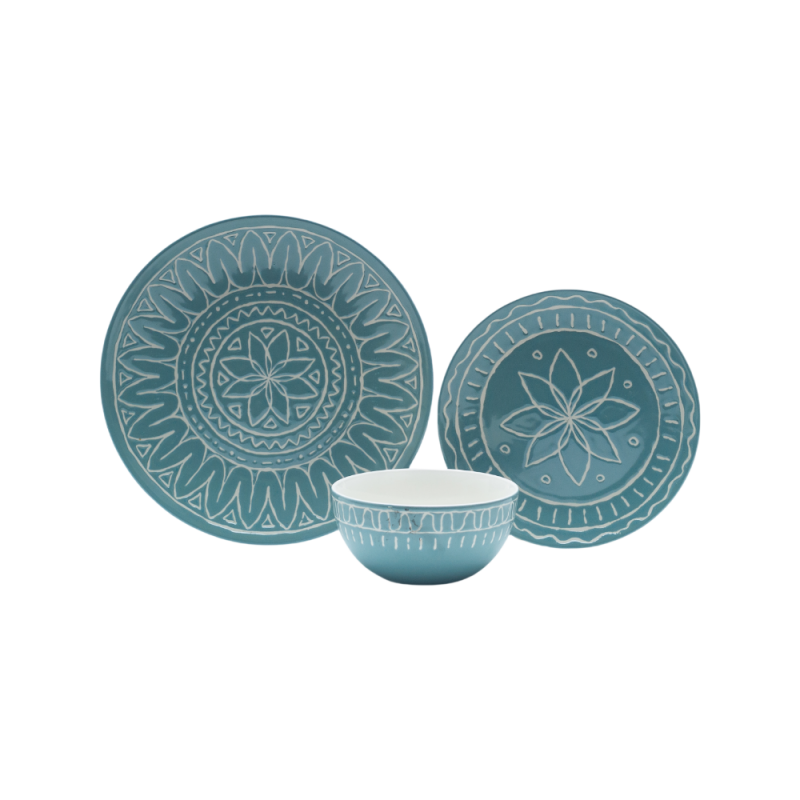
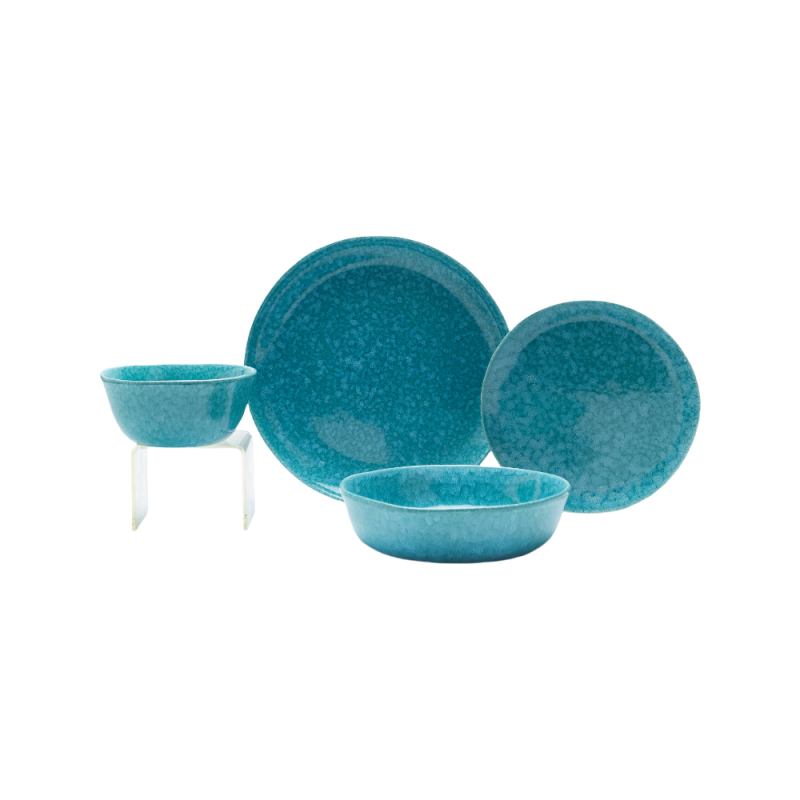
Products in this guide: Boho Style Hand-Painted Ceramic Dinnerware Set · 4-Piece Teal Blue Crystalline Glazed Stoneware Dinnerware Set
Devanning is not unloading. It is the inspection that happens to involve unloading, and it is the buyer's only chance to establish what arrived.
Before Anything Moves
Four checks, all of them before the first pallet leaves the container:
- The seal. Number recorded and matching the shipping documents, and the seal intact. A broken or mismatched seal changes the conversation entirely — it becomes a security question, not a packing question.
- The doors and the interior. Photograph the doors as opened, before touching the load. Look for water staining on the ceiling and walls, condensation, and any odour.
- The load's condition as found. Is it where the loading plan said it would be? A load that has shifted tells you about securing, and it also predicts where the damage will be.
- The floor and the base of the load. Water collects at the bottom; a wet floor is the first sign of a moisture problem that the top layer may not show.
Layer by Layer, Not Carton by Carton
The efficient method is to check in layers as the container empties, not to unload everything and then inspect:
- Count cartons per layer and compare with the packing list, so a shortage is found while the container is still the reference point.
- Check carton condition at each layer — dry, square, no crushing, no staining.
- Note where the damage concentrates. Door end, top layer, one side, the bottom row: each pattern points to a different cause, and the pattern is the most valuable thing you will record.
- Set damaged cartons aside in place, with their contents, rather than adding them to a general pile.
Photographs That Survive the Argument
Take them in this order, and take them even when everything looks fine:
- Seal and container number, before cutting.
- Doors opened, showing the load in place.
- Each layer as exposed, wide shot and a close-up of anything unusual.
- Any damaged carton in position, before it is moved.
- The damage itself, with a scale reference and the carton label visible.
- The empty container, floor and walls, showing water or its absence.
Photos taken after unloading prove less than photos taken in place, and the difference is often the difference between a paid claim and an argument.
What to Keep
- The damaged cartons, not just the damaged mugs: the carton tells the story of the impact.
- The desiccants, and note whether they are saturated.
- The seal, cut and retained.
- The packing list with the actual count written on it, signed at the moment of counting.
Where Claims Are Lost
- Signing a clean receipt to get the driver moving.
- Unloading everything first, then discovering damage with no way to place it.
- Discarding packaging before the claim is filed.
- Reporting a total number of damaged pieces without the layer, position or pattern, which makes the cause unknowable.
- Waiting a week to report, by which time the goods have been handled by everyone.
The Practical Instruction
Give the receiving team one page before the container arrives:
- Photograph the seal and record the number.
- Photograph the doors as opened.
- Unload layer by layer, checking and counting as you go.
- Stop and photograph any damage in position.
- Keep damaged cartons, desiccants and the seal.
- Report the same day, with the pattern described, not just the count.
For the surrounding decisions, see <a href="https://www.storiwareceramicmugs.com/oid1757203/The-Custom-Mug-Programme-Buyer-Guides-by-Decision.htm">the custom mug programme guides</a> and the <a href="https://www.storiwareceramicmugs.com/oid1757097/Ceramic-Packaging-Container-Freight-Hub.htm">packaging, container and freight hub</a>, which cover loading plans, securing and moisture protection. Our <a href="https://www.storiwareceramicmugs.com/products2147420/Custom-Ceramic-Mugs-Cups.htm">ceramic mugs and cups</a> range is packed to a written configuration per item, and the <a href="https://www.storiwareceramicmugs.com/oid1756307/Custom-Ceramic-Mugs-Bulk-Order-Factory-Direct-from-China.htm">bulk order programme</a> explains how the loading plan and documentation are prepared. To set a receiving routine for a shipment, <a href="/contact-us.htm">send the route, the packing configuration and the consignee</a>.
The spec freeze guide explains how artwork and packing files are locked between orders.
What to Put in the Order
- A devanning routine agreed with the consignee before the first container.
- Seal and door photographs as a mandatory first step.
- Layer-by-layer counting, matched to the packing list.
- Damage recorded in position, with the pattern described.
- Damaged cartons, desiccants and the seal retained until the claim closes.
- A same-day reporting requirement, with photographs attached.
The packaging guide explains how retail-ready and protective layers are specified together.
The Habit That Ties It Together
The habit is to inspect before unloading. Once the container is empty, the story of what happened inside it is gone.
Related Products
Explore products featured in this guide:
Have questions? See our Sizes & Finishes FAQ and Ordering & Certifications FAQ.
Need a custom quote? Send an inquiry or browse our full product catalog.

