
Detergent, Rinse Aid and Hard Water: Why Ware Degrades in a Dishwasher
The Machine Is Rarely the Problem
When decorated ware comes back dull, clouded or faded, the dishwasher gets blamed. Usually the machine did exactly what it was designed to do: it applied hot water, alkaline chemistry and a drying cycle, several hundred times. What changed is the surface of the glaze — and that is a chemistry question.
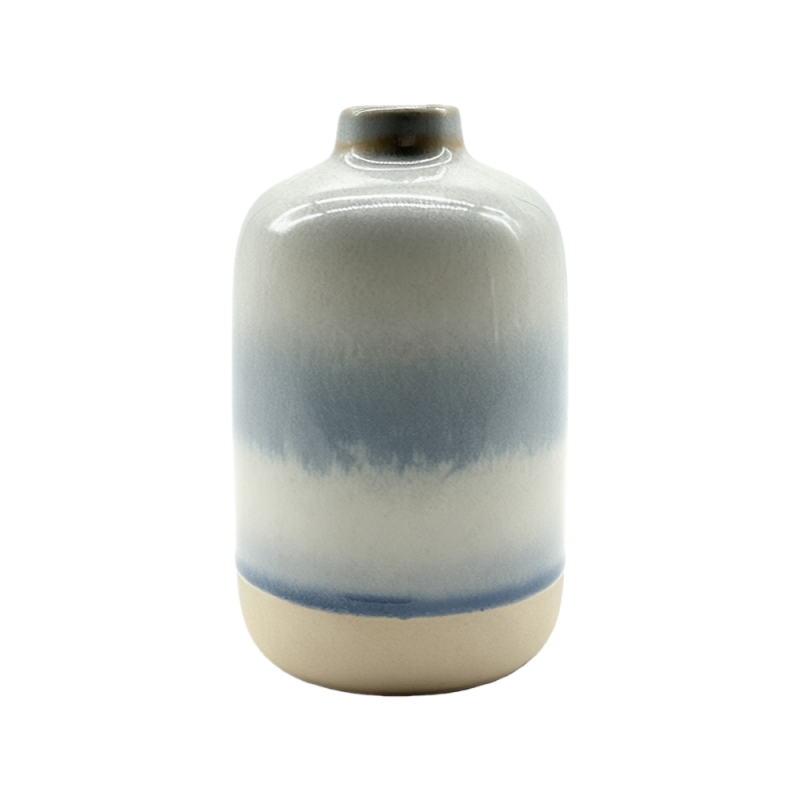
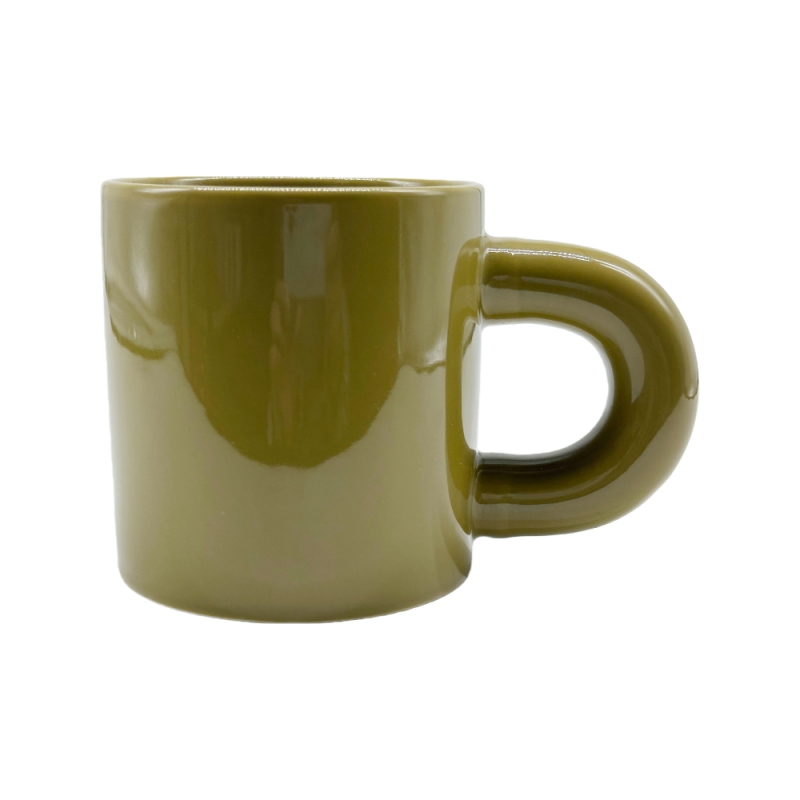
Products in this guide: Reactive Glaze Ceramic Flower Vase – Modern Handmade Home Décor Vase · 650ml Large Ceramic Coffee Mug
The most useful skill here is diagnostic: telling etching apart from film before anyone argues about the ceramics.
The Three Chemicals in Play
- Alkaline detergent. It is designed to attack organic soils and fats, and a ceramic glaze is a glass. Long exposure to strong alkalinity at high temperature slowly dissolves the glass network at the surface. The result is etching: a permanent, dull, slightly roughened surface that no cleaning removes.
- Rinse aid. A surfactant that helps water sheet off. Correctly dosed, it leaves nothing. Overdosed, it leaves a visible residue that looks like a coating, and it accumulates with repeated cycles.
- Hard water. Calcium and magnesium in the water precipitate as mineral deposits when the water dries. This is film, and unlike etching it can be removed.
Etching Versus Film: The Thirty-Second Test
This distinction resolves most complaints on the spot:
- Film looks like a coating, tends to be uneven, and often concentrates near the rim or in the base where water pools. A mild acid — vinegar or a citric-acid descaler — removes it. If the surface clears, the ware is fine and the problem is water hardness or rinse-aid dosing.
- Etching is in the surface, not on it. It looks uniformly dull, the glaze loses its sheen, and the surface feels slightly rougher or chalky. Cleaning does not help. Once the glass has been dissolved, it does not come back.
Where decoration sits matters too. A decoration fired under the glaze is protected by the glass layer throughout; a decoration on the surface is the first thing the detergent meets, which is why care instructions belong with the specification.
Why Commercial Machines Are Harsher
- Higher temperatures accelerate chemical attack significantly.
- Stronger, more alkaline chemistry is standard in institutional dosing systems.
- Cycle count. A café mug can see several hundred wash cycles a year. Domestic cycle counts rarely reach that in a decade.
- Longer dwell time between cycles. Ware that sits damp in a rack continues to be exposed.
What a Buyer Can Do
The product side and the operation side each have a role:
In the specification
- State the wash regime the item is intended for: domestic, light commercial, or heavy commercial.
- Request a wash test on the actual decoration, with the cycle count and the detergent type stated in the report. A result without those two details is not comparable.
- Choose the decoration position deliberately — underglaze resists alkaline attack better than surface decoration.
- Write a care instruction that matches the test, so the guarantee and the use agree.
In the operation
- Dose detergent to the manufacturer's recommendation, not higher. More detergent shortens glaze life and does not clean better.
- Check water hardness and use a softener or dishwasher salt as appropriate.
- Reduce rinse-aid dosing if a film appears.
- Do not pre-soak decorated ware in strong solution for long periods.
Documenting a Complaint
If ware returns dull, the evidence that settles it is simple and photographic:
- A photograph of the dull area under even light, against a new piece of the same item.
- The result of the acid test — before and after.
- The cycle count and detergent brand used by the end user.
- A water hardness reading from the site.
With those four items, the conversation becomes a diagnosis rather than a dispute.
For the surrounding decisions, see <a href="https://www.storiwareceramicmugs.com/oid1757203/The-Custom-Mug-Programme-Buyer-Guides-by-Decision.htm">the custom mug programme guides</a> and the <a href="https://www.storiwareceramicmugs.com/oid1757096/Ceramic-Quality-Inspection-Hub-AQL-Defects-Testing.htm">quality and inspection hub</a>, which set out how durability testing is specified. Our <a href="https://www.storiwareceramicmugs.com/products2147420/Custom-Ceramic-Mugs-Cups.htm">ceramic mugs and cups</a> range can be specified with the wash regime stated per item, and the <a href="https://www.storiwareceramicmugs.com/oid1756307/Custom-Ceramic-Mugs-Bulk-Order-Factory-Direct-from-China.htm">bulk order programme</a> explains how care instructions are agreed with the sample approval. To match a decoration and body to a wash regime, <a href="/contact-us.htm">send the item, the wash regime and the detergent used</a>.
The spec freeze guide explains how artwork and packing files are locked between orders.
What to Put in the Order
- The intended wash regime, stated rather than assumed.
- A wash test on the actual decoration, with cycle count and detergent named.
- The decoration position chosen with washing in mind — underglaze where alkalinity is heavy.
- A care instruction aligned with the test result.
- The diagnostic routine agreed — acid test first, then escalate.
- Etching and film defined separately, so complaints are classified the same way on both sides.
The packaging guide explains how retail-ready and protective layers are specified together.
The Habit That Ties It Together
The habit is to test before blaming. Thirty seconds with an acid and a light separates a chemistry problem in the kitchen from a problem in the kiln.
Related Products
Explore products featured in this guide:

Have questions? See our Sizes & Finishes FAQ and Ordering & Certifications FAQ.
Need a custom quote? Send an inquiry or browse our full product catalog.

