Desk Mugs and the Workplace Channel: Small Volumes, Repeated Every Quarter
The Problem: A Brief Set by a Shared Kitchen
Workplace drinkware looks like a low-value version of corporate gifting and is really a different brief. The product is used every day by one person, washed in a shared kitchen, stacked in a communal cupboard and frequently knocked over on a desk. It has to be stable, plain enough to survive a change of employer brand, and branded in a way that does not embarrass the person using it. Most retail mugs fail on one of those three, which is why the channel is under-served despite buying steadily all year.
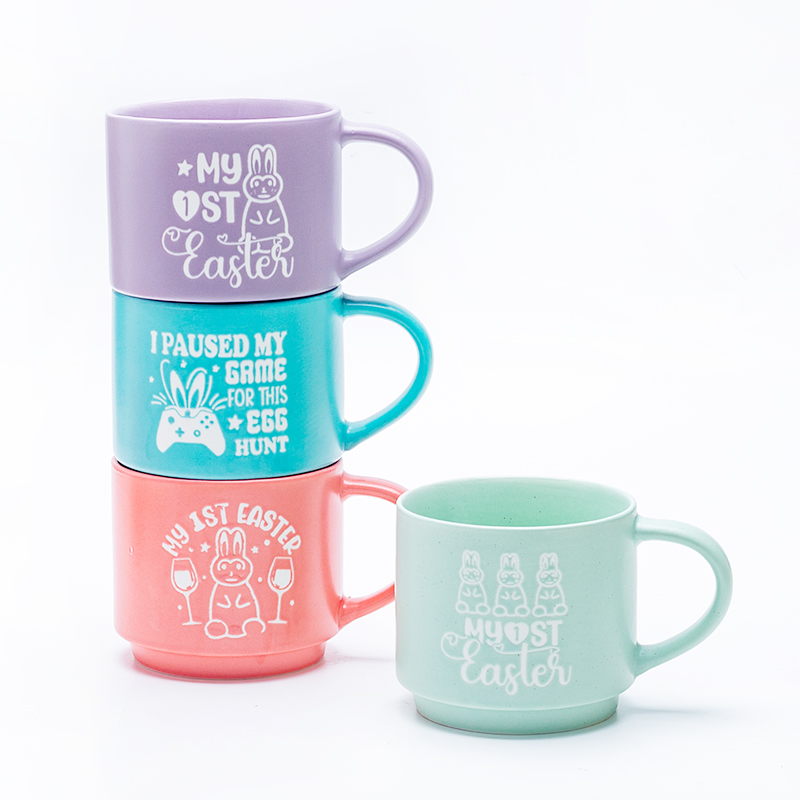
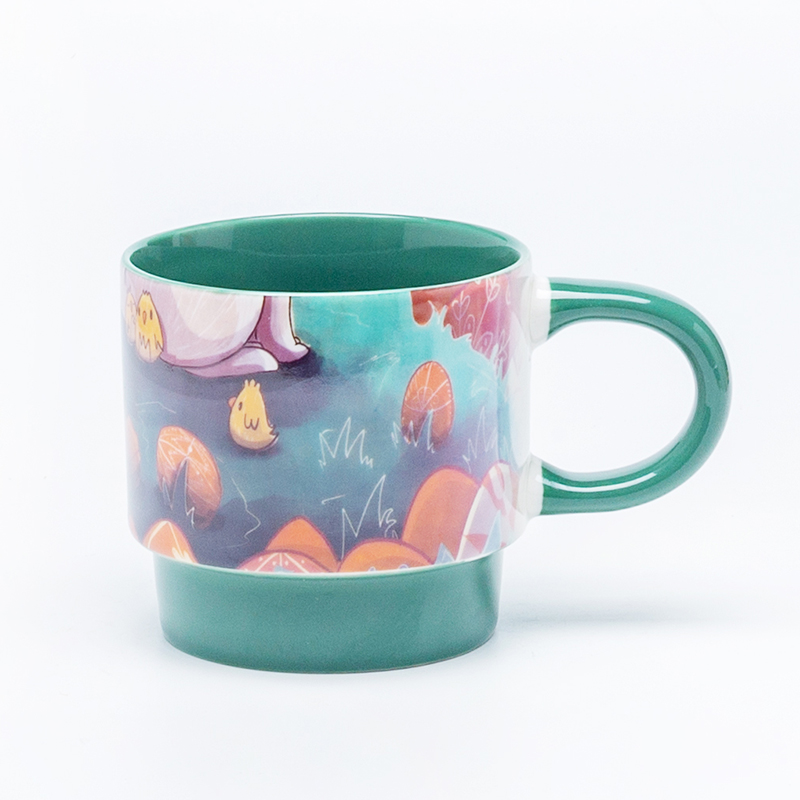
Products in this guide: Debossed Logo Easter Solid Color Stackable Ceramic Mugs - Stackable Design · Ceramic Decal Printed Easter Stacking Cup Set - Multicolor Stacking Mugs Set
Where This Fits in the Sourcing Chain
The specification is durability first: base stability, wall thickness and a print that survives industrial washing. The spec freeze guide explains how artwork and packing files are locked between orders. Branding is a decoration question with a volume consequence, since employee numbers are large but the design is shared. The packaging guide explains how retail-ready and protective layers are specified together. The full chain follows the standard sourcing map. See the full ceramic sourcing process map.
What the Workplace Actually Buys
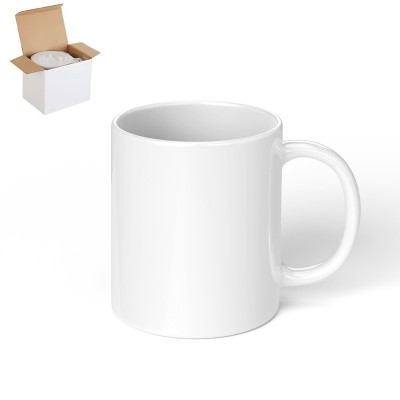
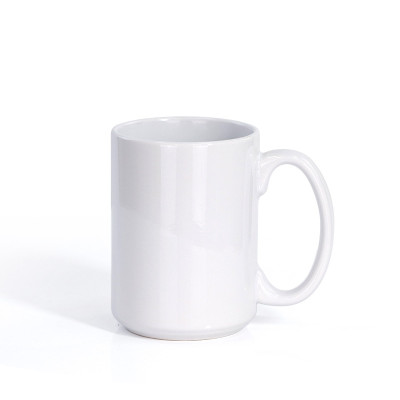
The desk mug, sized for a normal hot drink, with a wide base and a handle that fits a full hand. The single most-ordered item.
The new-starter kit item, where a mug is part of a welcome pack alongside a notebook and a bag — bought in small quantities, frequently, and often with a short lead time.
The milestone or anniversary piece, given for a service anniversary, which is where a slightly better finish and a small personal element justifies a higher price. This overlaps with the anniversary occasion and repeats annually by design.
The kitchen-stack set, where an employer replaces the communal crockery in a single order, usually plain white or a single corporate colour.
The Three Specifications That Decide It
Base stability and capacity. A tall narrow mug that tips is returned, and a capacity that is too small for the office habit is noticed immediately. A wider base and a standard capacity removes both problems.
Wash durability. Shared kitchens use high-temperature cycles, so the decoration must be dishwasher-safe and preferably underglaze. A print that fades in three months is the most common complaint in the channel.
Restrained branding. A large corporate logo on a mug is used less than a small one, which is a fact worth explaining to buyers: the most-used corporate mugs are the ones the employee does not mind being seen with. A monogram, a discreet mark or a plain body with the logo on the base all outperform a full-frontal brand block.
Who Buys
Corporate gifting and loyalty suppliers, who assemble programmes for employers and who are the practical entry point for a factory. Office supply distributors with a print-on-demand or small-quantity capability. Facilities and workplace services, buying replacement crockery. HR and employer-brand teams buying directly for onboarding and anniversaries, usually in small quantities and often in a hurry.
The Ordering Pattern
Two characteristics define it. Small quantities, frequent orders — a factory account manager should expect a steady trickle with peaks at the start of the calendar year and in the fourth quarter, rather than a single seasonal surge. Short lead times for welcome packs, which is best solved by holding a small stock of an undecorated body and printing to order rather than by promising a fast production run.
Where the Margin Comes From
The unit value is modest, so the economics depend on consistency rather than on price: the same body, the same print, ordered repeatedly, with no sampling cycle after the first approval. That is a genuinely profitable shape of business, and it is why the workplace channel is worth having even though no single order looks important. Programmes that treat it as a series of small one-offs lose money on setup; programmes that treat it as one specification repeated do not.
The Habit That Ties It Together
The habit is to ask how the product will be used on a Tuesday morning, not how it looks in a photograph. Programs that do this supply plain, stable, well-printed mugs that reorder quarterly.
Related Products
Explore products featured in this guide:

Have questions? See our Sizes & Finishes FAQ and Ordering & Certifications FAQ.
Need a custom quote? Send an inquiry or browse our full product catalog.