Deep-Diving Latin America: How to Source Ceramics for Mexico, Brazil and Beyond
The Region Beyond the Headlines
Latin America is not one buyer — it is a dozen markets with one shared trait: it has been underserved by direct-from-factory sourcing. Most tableware still flows through US-based importers or local wholesalers, which is why regional buyers who go direct get an immediate margin advantage. This guide maps the two anchors (Mexico and Brazil), the customs and payment reality, the preference signals, and the regional importer profile — the four things that shape a Latin America program.
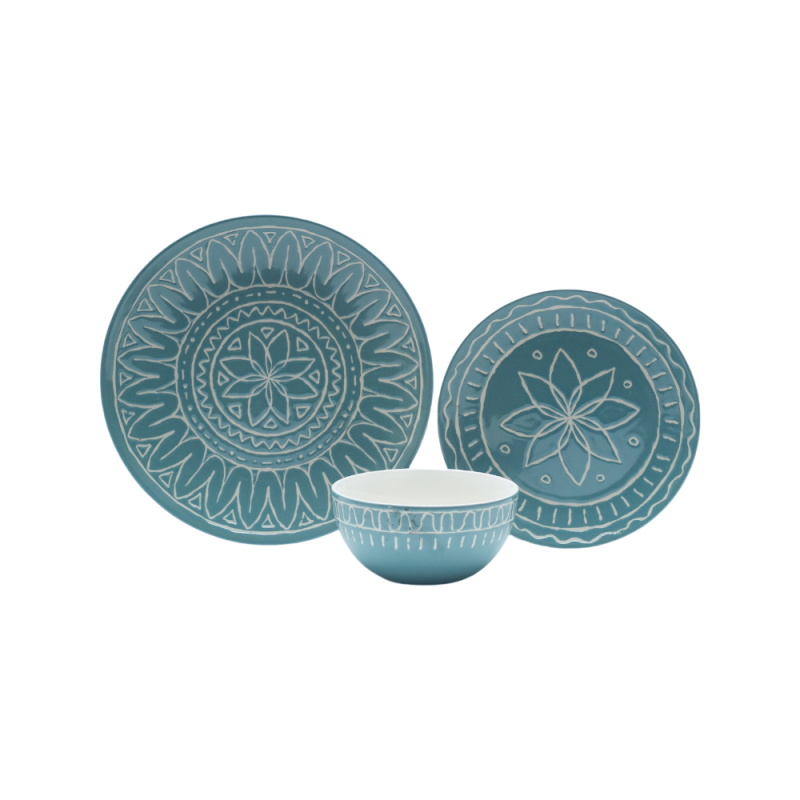
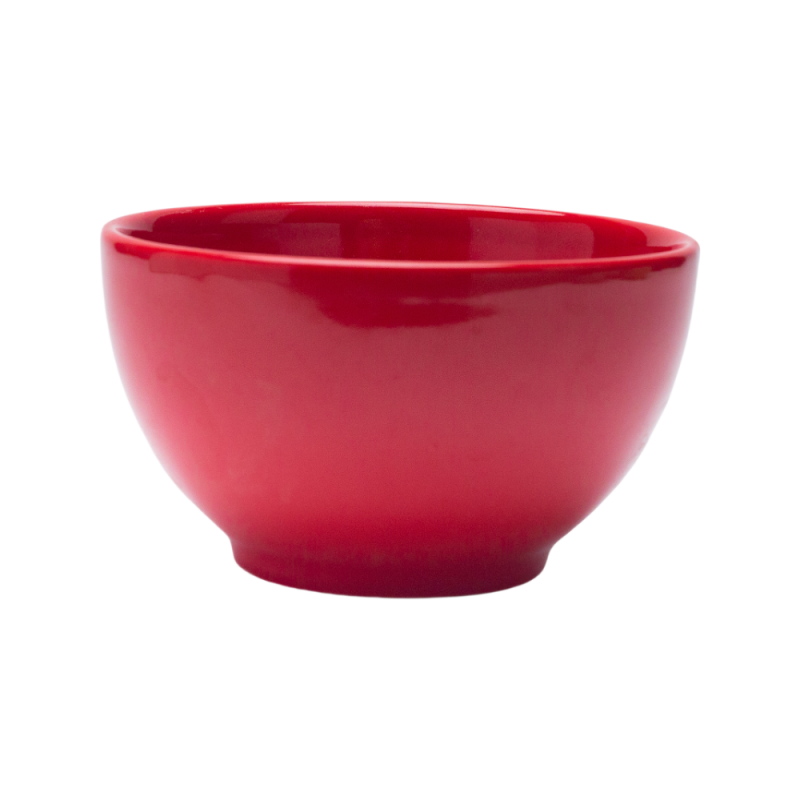
Products in this guide: Boho Style Hand-Painted Ceramic Dinnerware Set · Vibrant Glazed Ceramic Bowl
The Mexico-Brazil Contrast
Mexico and Brazil are the volume anchors, and they buy differently:
- Mexico — fast and practical. Customs clearance is relatively quick, the US border trade makes lead times and pricing competitive, and buyers are comfortable with US-style products and even US-style documentation. Importers are numerous, mid-sized and deal-oriented; the food-service and retail channels are active. The sourcing logic: speed and responsiveness win — a factory that quotes fast and ships fast is a factory that gets the repeat order.
- Brazil — big and bureaucratic. The market is huge, but customs is complex, import duties are heavy, and the approval process moves slowly. Buyers are used to planning months ahead and value documentation and process over speed. The sourcing logic: patience and paperwork win — Brazilian buyers reward factories that can navigate the documentation burden and hold price commitments through a long pipeline.
Customs and Payment Reality
The regional reality is where most sourcing programs stumble:
- Customs: Brazil demands complete and correct documentation — the classic pain point is a single mismatch delaying a whole container; Mexico is faster but the rules change with trade policy, so an up-to-date classification matters. Everywhere in the region, the factory's document accuracy directly decides landed cost and delivery time.
- Payment: the region leans toward T/T and letters of credit over open account; Brazilian buyers often expect longer payment terms and structural financing, so the quote should state payment terms up front and price them honestly.
- Local taxes and duties: these vary widely and are usually the buyer's burden — but the factory that understands the cost structure can advise on the entry that avoids reclassification surprises.
The Preference Signals
The regional taste is distinctive and consistent across markets:
- Color and decoration: Latin American buyers favor vibrant glazes, hand-painted looks, and patterns with personality — the market responds to decorated and artisan-feeling pieces, not just clean white stock (our artisan and hand-painted lines fit this demand).
- Durability for food service: the region's restaurants and hotels buy heavily, and they need commercial-grade strength at accessible price points — stoneware and reactive glazes do well here.
- Religious and seasonal moments: festive seasons and religious events drive seasonal programs; the buyer who maps the local calendar (not the US calendar) finds windows competitors miss.
- Packaging for rough handling: road transport and frequent handling mean packaging that survives (see our packaging guide) is a selling point, not a detail.
The Regional Importer Profile
The buyers to target in Latin America are: mid-sized importers and distributors who currently buy from US middlemen and would buy direct for the margin (they are the easiest conversion, and the most loyal once converted); food-service and hospitality groups who buy repeatable commercial-grade volume; and online-first retail sellers who mirror their northern counterparts but move faster and with less bureaucracy. The common thread: they are underserved by direct sourcing, so a factory that shows up with clear documentation, honest payment terms and product that matches local taste has the market to itself.
The Sourcing Rule
The rule for Latin America is simple: respect the pipeline, match the taste. Price the payment terms honestly, make the documentation bulletproof (that is what customs actually checks), and lead the catalog with color and durability over minimal white — because that is what the market already buys, just at a margin that direct sourcing improves. If you are entering the region, start with the Mexico-Brazil pair, learn from one to serve the other, and let the food-service channel carry the volume while the retail channel carries the range.
"Latin-America-Ready Ceramic Programs"
Explore products featured in this guide:
Have questions? See our Sizes & Finishes FAQ and Ordering & Certifications FAQ.
Need a custom quote? Send an inquiry or browse our full product catalog.