
Decoration Durability: What Wash and Rub Testing Proves About a Mug Logo
The Problem: A Logo Is Judged Over Time
Decoration is the part of a mug the buyer's customer looks at every day. It is also the part most likely to fail quietly: the print survives the first month, looks slightly dull by the third, and is being apologised for by the sixth. By then the cause is unrecoverable — which is why durability belongs in the specification, with a test number attached, rather than in a promise.
Products in this guide: 550ml Large Ceramic Breakfast Mug with Lid and Spoon · Kiln-Varied Gradient Ceramic Mug 360ml
What Actually Wears Decoration Away
Four mechanisms, in rough order of how often they cause complaints.
Abrasion in the wash. Mugs knock against each other and against the rack. Over hundreds of cycles, this mechanical contact is the main cause of fading.
Detergent chemistry. Commercial detergents are more aggressive than domestic ones, and high-temperature cycles accelerate the effect. A print that survives a domestic dishwasher may not survive a commercial one.
Thermal cycling. Repeated heating and cooling stresses the interface between decoration and glaze. This is the same mechanism that eventually damages any decorated surface.
Cutlery and scrubbing. Metal marks and abrasive pads remove thin decoration fast — which is why care instructions matter as much as the print itself.
The Two Tests That Answer the Question
Wash-cycle testing. The item is washed repeatedly under a defined regime — a stated machine type, temperature and detergent — and inspected at intervals. The output should be a cycle count with the condition described: no change at 200 cycles, slight dulling at 500, and so on. A supplier quoting "dishwasher safe" without a number is quoting a hope.
Abrasion and rub testing. A controlled abrasive action against the decorated surface, measured by the number of strokes or the weight loss before the decoration fails. This is the test that separates a fired decoration from a surface print under sustained contact.
What separates good from poor. Two variables dominate: whether the decoration is fired onto or under the glaze (as opposed to applied on top), and the film thickness and firing control. This is also why the same artwork can behave differently at two factories — and why the test should be run on the item and decoration you are actually buying.
Writing the Durability Clause
A usable clause has four parts:
- The test: wash cycles or rub strokes, with machine type, temperature and detergent stated.
- The level: the number the item must reach without visible change — for example no degradation after a stated cycle count.
- The method of judgement: visual comparison against a retained standard, under a stated light.
- The remedy: what happens if it fails — re-decoration, replacement, or a price adjustment.
Where the channel requires it, the same clause can reference a third-party test report, which moves the argument from opinion to document.
How to Check It Yourself, Cheaply
Two practical checks are worth running on any new supplier:
- A soak-and-scrub check on one piece from a sample: hot water, a drop of detergent and a mild abrasive pad, repeated on one spot — a decoration that fails in a minute of this will fail in service.
- A metal-mark check: dragging a spoon across the print shows whether the decoration sits proud of the glaze or beneath it.
Neither substitutes for a laboratory test on the production item, but both catch the obvious cases before an order is placed.
Where This Sits in a Programme
Durability is a programme question, not a single-order question: it decides whether a logo can stay on the shelf for three years, and whether a repeat order can use the same decoration confidently. It also pairs with the care instructions that go on the packaging, because the fastest way to lose a decoration is to wash it the way a customer assumes is fine.
See <a href="https://www.storiwareceramicmugs.com/oid1757203/The-Custom-Mug-Programme-Buyer-Guides-by-Decision.htm">the custom mug programme guides</a> for the related decisions, browse the <a href="https://www.storiwareceramicmugs.com/products2147420/Custom-Ceramic-Mugs-Cups.htm">ceramic mugs and cups</a> range, and check the commercial structure in the <a href="https://www.storiwareceramicmugs.com/oid1756307/Custom-Ceramic-Mugs-Bulk-Order-Factory-Direct-from-China.htm">bulk order programme</a>. To test a specific decoration, <a href="/contact-us.htm">send the artwork and the intended wash regime</a>.
The spec freeze guide explains how artwork and packing files are locked between orders.
What to Put in the Order
- A wash-cycle or rub test number, with the regime stated.
- A pass level, expressed against a retained standard.
- The judgement method, including the light source.
- A remedy clause for failure.
- A third-party report, where the channel requires one.
- Care instructions on the pack, matched to the decoration type.
The packaging guide explains how retail-ready and protective layers are specified together.
The Habit That Ties It Together
The habit is to ask for the test rather than the adjective. Buyers who specify a cycle count stop discovering decoration problems from their customer's customer.
Related Products
Explore products featured in this guide:
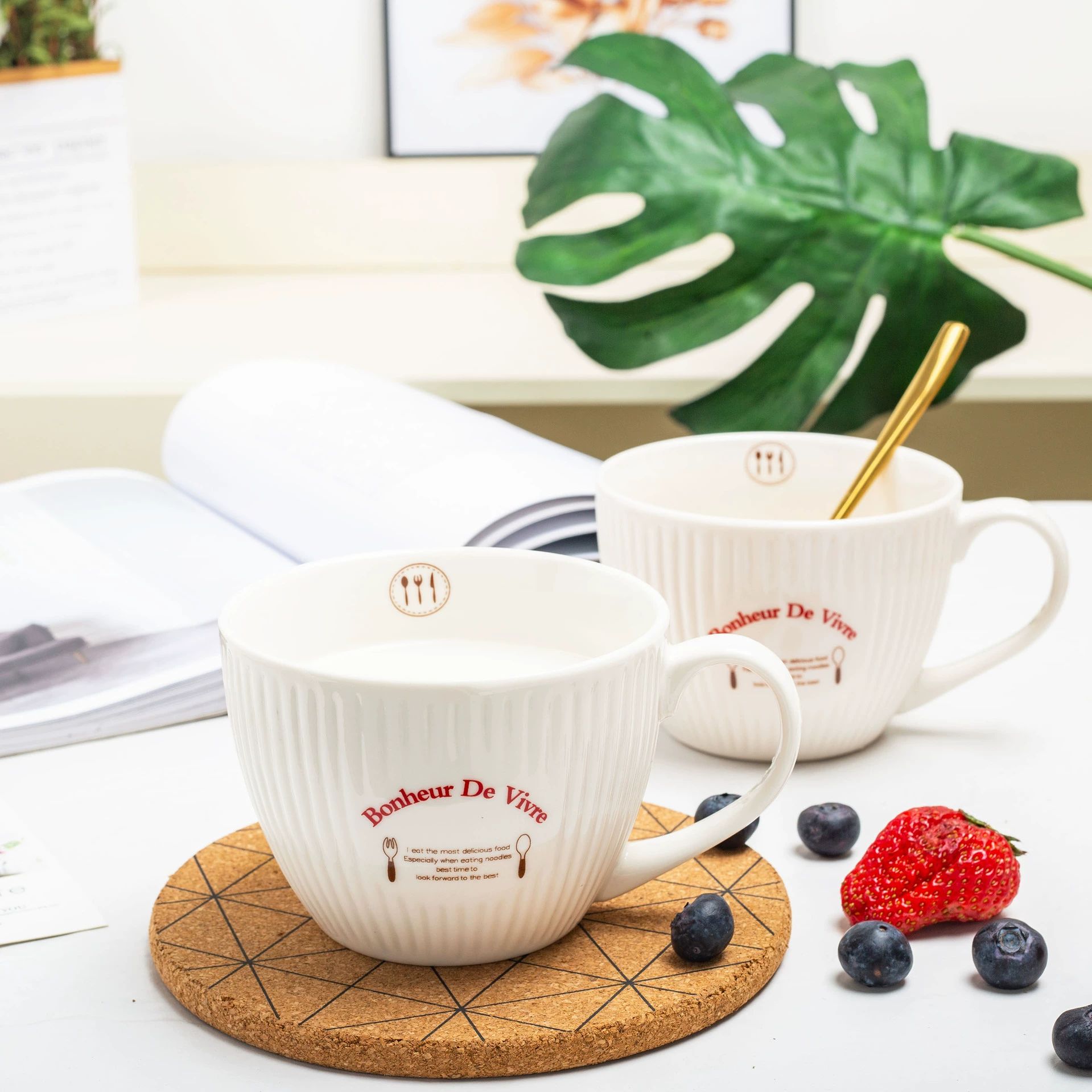

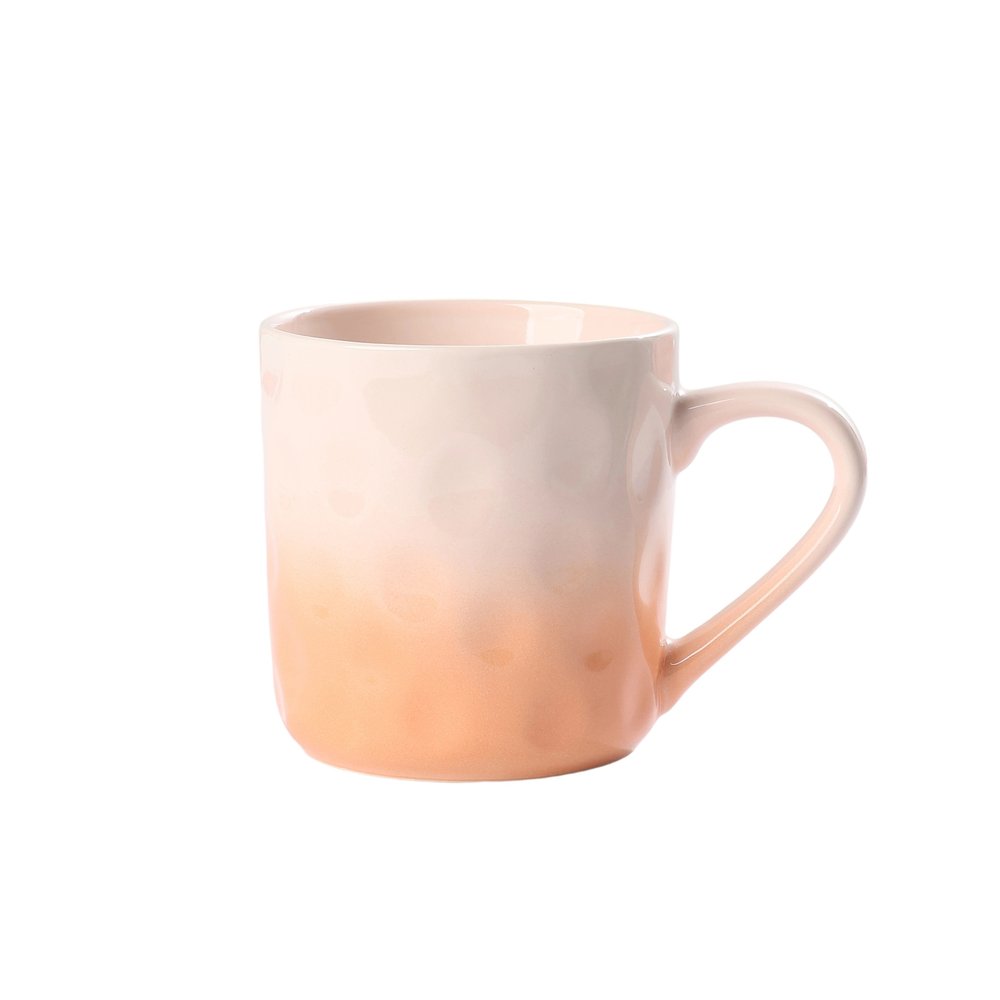
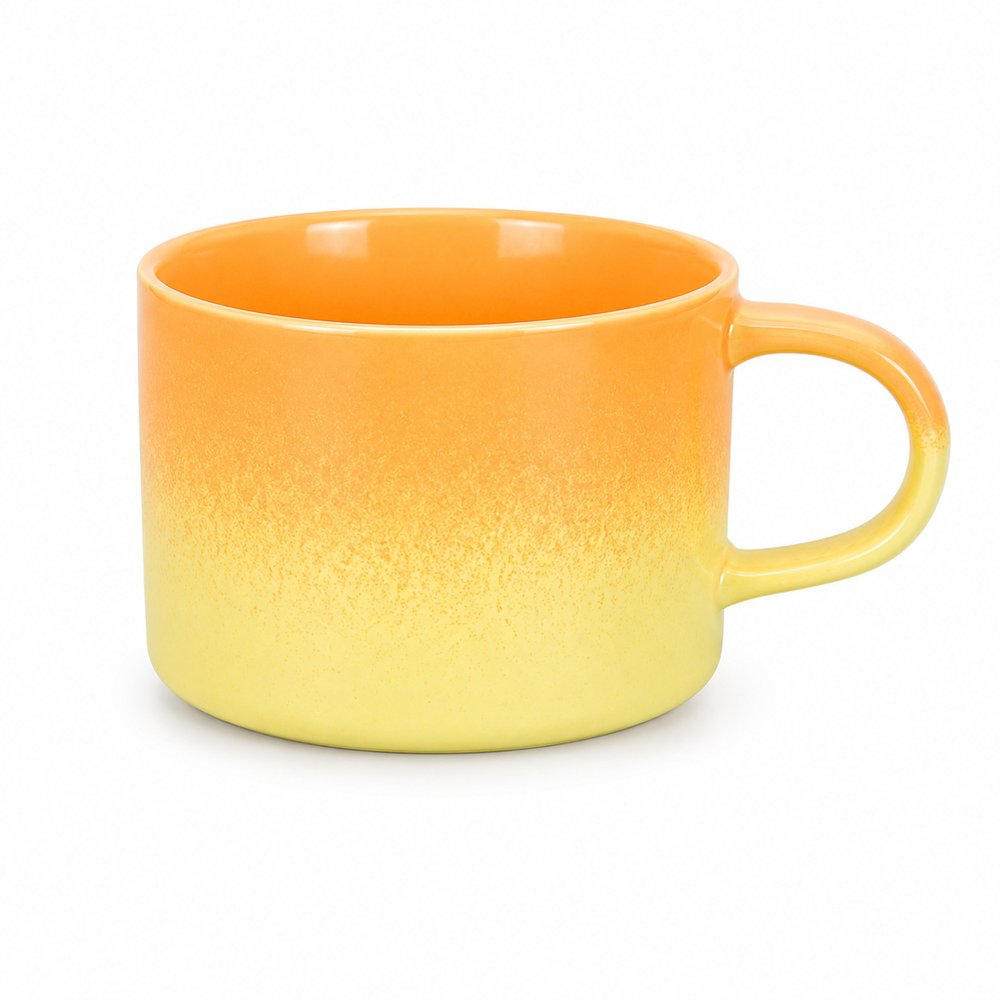
Have questions? See our Sizes & Finishes FAQ and Ordering & Certifications FAQ.
Need a custom quote? Send an inquiry or browse our full product catalog.

