Custom Printed Mugs: Photo, Personalized & Logo Printing Guide
Custom Printed Mugs: Photo, Personalized & Logo Printing Guide
A custom printed mug is the most used marketing object a brand can buy. It sits on desks, in kitchens, and in hands every day, and every use is a brand impression that costs nothing after the mug is printed. But the quality of that impression depends on a series of decisions made before the mug is ever produced: the printing method, the artwork preparation, the color matching, the batch size, and the quality control. This guide covers the complete custom mug printing workflow for buyers, from choosing the method and preparing the artwork to managing small batches, quality, and the marketing uses that make printed mugs worth every cent.
Why Custom Mugs Work as a Marketing Tool
Printed mugs are the classic promotional product because they combine daily use with long life. A printed t-shirt is worn occasionally, a pen is lost, but a mug sits in a visible place and is handled multiple times a day, generating hundreds of quiet brand impressions over years. Custom mugs also carry emotional weight: a mug printed with a photo, a name, or a message becomes a personal object that the recipient keeps and remembers, which makes them ideal for gifts, loyalty programs, and employee and client programs.
The economics are attractive at every scale. At low volumes, printed mugs serve as premium gifts and event giveaways. At high volumes, the per-piece cost drops sharply, and the cost per brand impression becomes one of the lowest in marketing. The key is to treat the mug as a designed product, not a commodity: the printing method, the artwork, and the mug body all determine whether the mug is kept on the desk or buried in a drawer.
Choosing the Printing Method
The printing method determines the look, the durability, and the cost of the printed mug, and the choice follows the artwork and the volume. Silk-screen printing delivers crisp, durable, single-color and two-color logos at the lowest per-piece cost at volume, and it is the standard for brand logos, monograms, and simple designs. Ceramic decals handle full-color artwork, gradients, and fine detail, and they are the right choice for complex logos, illustrations, and photographic-style prints. Sublimation produces seamless full-color wraps on white coated mugs, ideal for photographic designs that cover the whole surface, though it requires a coated white body. Laser engraving gives a premium, textured monogram that never fades, at a higher cost per piece.
The method also has durability implications that matter for a product used daily. Silk-screen and in-glaze decals fired into the surface survive hundreds of dishwasher cycles, while sublimation is durable but best suited to lower-turnover environments. When you compare quotes, compare the method and the durability, not just the price, because a printed logo that fades after a month of washing is a brand failure on every mug.
Photo and Personalized Mugs
Photo mugs and personalized mugs are the emotional end of the custom market, and they follow their own rules. Photo printing, whether by ceramic decal or sublimation, requires high-resolution artwork, because the photo is enlarged across the mug surface and any pixelation is visible. The photo should be prepared with correct color and contrast for the printing method, and the crop must account for the mug's curve, which distorts the image near the edges. For a mug printed with a name, a date, or a message, the typography and the spelling must be verified before production, because a misspelled name on a gift mug is a gift that fails its purpose.
The personalized format is also the highest-margin segment, because personalization commands a premium price and builds emotional attachment. For programs that combine a brand layer and a personal layer, the brand logo is printed in the main run and the personal field is printed as a variable, which keeps the cost controlled while the mug stays personal. The variable field should be designed to work with the factory's printing process, and the spelling and the format should be validated in a digital proof before any piece is printed.
Logo Printing and Brand Colors
Logo printing is the bread and butter of custom mugs, and the quality bar is set by the color match. Brand colors are legally protected assets, and a mug that arrives in the wrong shade is a brand error on every desk. The color should be matched against the mug's body and glaze with a physical printed sample, because the glaze shifts the printed color, and the digital preview cannot reproduce the final result. For multi-color logos, the registration, the alignment of the colors, and the placement on the mug should all be verified on the sample.
The placement of the logo deserves design attention. The front face, in the middle third of the height, is where the eye lands, and the logo should sit there with clear space around it. A second small mark near the base or a subtle interior logo adds a layer of craftsmanship. The printable area should be confirmed with the factory, because the rim, the handle zone, and the base are not printable in the same way across shapes, and a logo that wraps too close to the handle or the rim looks unprofessional.
Small Batches and Low MOQs
The custom mug market has moved toward flexibility, and low-MOQ programs are now a mainstream option. Many factories offer MOQs of a few hundred pieces for standard shapes, with higher MOQs for custom shapes and multi-color decoration. For a business that needs printed mugs in small batches, for events, for samples, or for testing a new market, the low-MOQ option converts a large upfront commitment into a manageable test, and the approved sample from the small batch becomes the standard for the larger reorder.
The batch size also drives the pricing strategy. The setup costs, the screens, the decals, and the printing line, are amortized over the run, so the per-piece price falls as the volume rises. The smart approach is to request quotes at multiple volumes, compare the per-piece trajectory, and plan the program so the first batch validates the design and the reorder captures the volume pricing. A program that starts small and reorders in volume gets the best of both: the flexibility of a test and the economics of scale.
Print Quality Control
Printed mugs fail in predictable ways, and the inspection should look for them. Check the color match against the approved sample, because color drift is the most common defect in production. Check the print placement, because a logo that sits off-center or too close to the rim is a reject even when the color is right. Check the edges and the transitions, because a decal with rough edges or a silk-screen print with uneven coverage shows the marks of a careless production run. And check the durability, because a print that scratches, smears, or lifts has not been fused correctly.
The inspection plan should cover three points: the digital proof before production, the physical sample after the first pieces, and the pre-shipment inspection of the finished batch against the approved sample. Keep the approved printed sample as the reference for the entire run, and document the inspection results with photos for every order. A factory that prints to the sample, batch after batch, is a factory you can build a program on.
Marketing Uses That Make Printed Mugs Work
The marketing uses of printed mugs are broader than the classic promotional giveaway. Corporate gifts for employees and clients, event giveaways and trade-show premiums, loyalty and membership programs, staff appreciation, and product-launch merchandise all use printed mugs, and each use has its own design and volume logic. The corporate gift mug carries the logo and a personal message, the event mug carries the event branding and the dates, and the loyalty mug rewards repeat customers with a designed object they keep.
The format that works best in each use follows the audience. For employees and clients, a premium body with a refined print reads as a considered gift. For events and trade shows, a printed mug that stands out in the crowd, with a bold color or a clever message, generates the most attention. For loyalty programs, a collectible series of printed mugs drives repeat visits. The common thread is that the printed mug is not a cheap giveaway; it is a designed brand asset, and the design investment pays for itself in every use.
Conclusion: Print the Mug That Earns Its Place
A custom printed mug earns its place on the desk when the printing is chosen for the artwork, the colors are matched to the brand, the personalized details are verified, the batch is sized for the program, and the quality is checked against the sample. Choose the method for the design and the volume, prepare the artwork for the mug's curve and the glaze, match the brand colors with a physical sample, use low-MOQ batches to test and validate, and inspect the print against the approved sample. A printed mug program built this way is not a giveaway; it is a brand asset that works every day, for years, at a cost per impression no other medium can match.
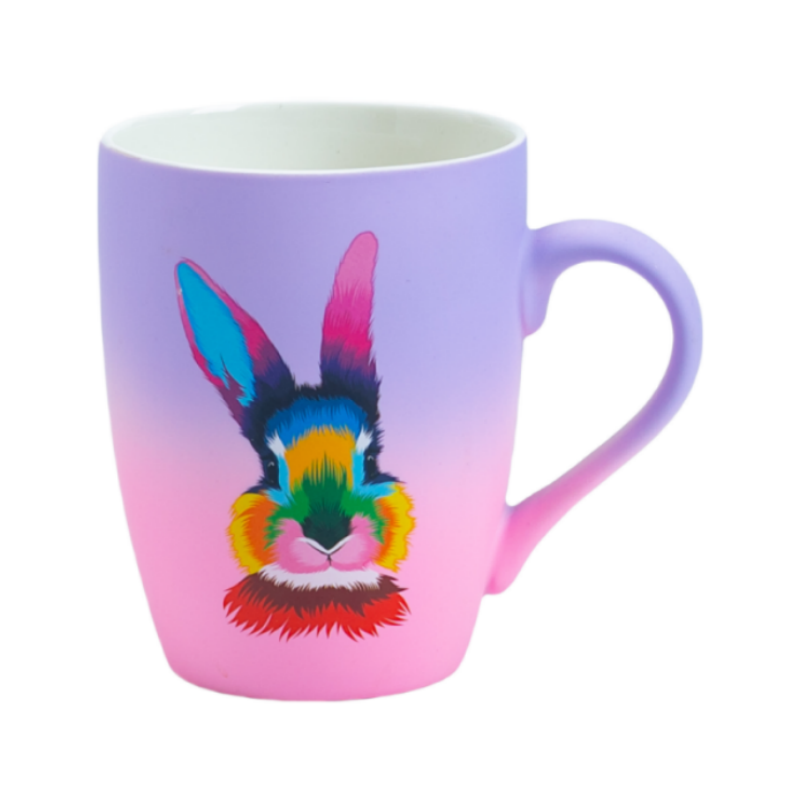
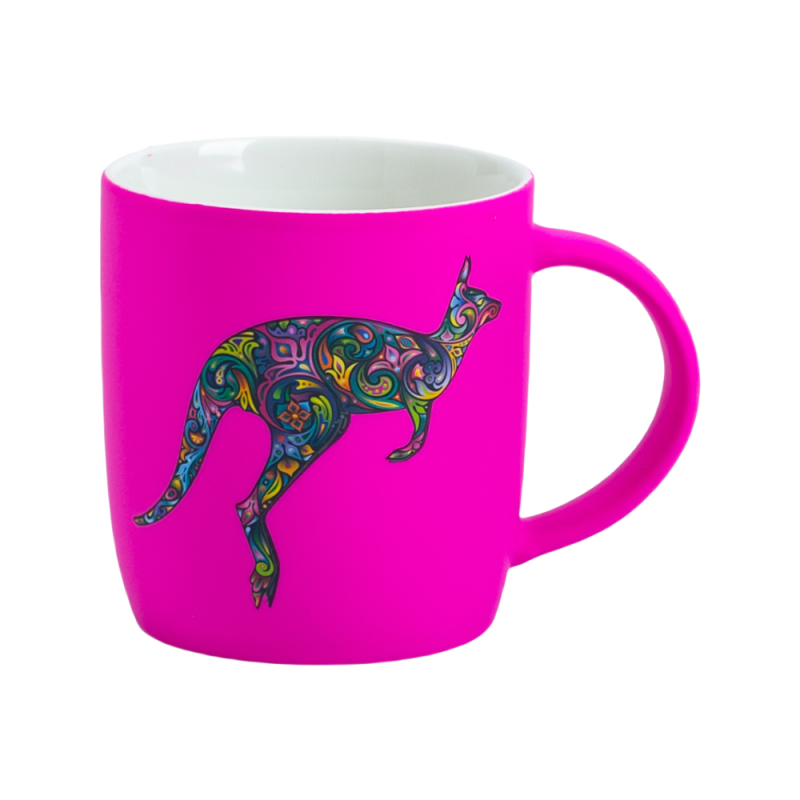
Looking for printed mugs that carry your message well? Storiware Ceramic Mugs prints custom logos, photos, and personalized designs on ceramic mugs, with method selection guidance, color-matched samples, low-MOQ options, and print quality control before shipment. The featured mugs below are a great starting point, and our team will help you build the printed mug program that fits your brand.
If this article answered the planning question, our custom mug bulk order overview answers the execution one.
Featured Custom Mugs from Storiware Ceramic Mugs
Explore products featured in this guide: