Custom Mug Shape Development: Mold Costs, Timelines and MOQ Explained
Your Logo Alone Is Not a Custom Mug
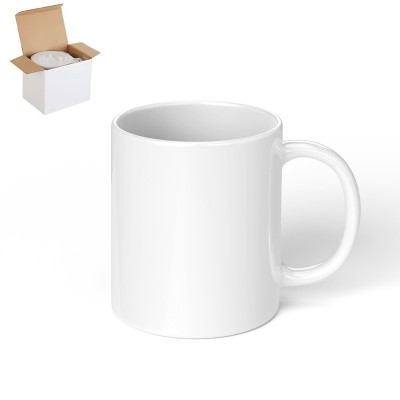
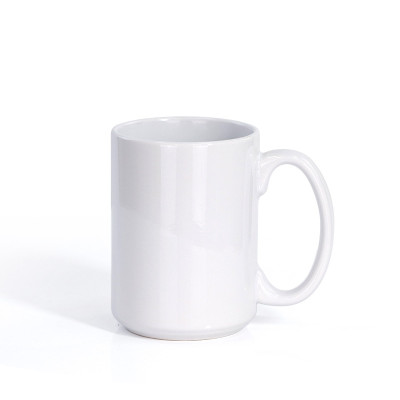
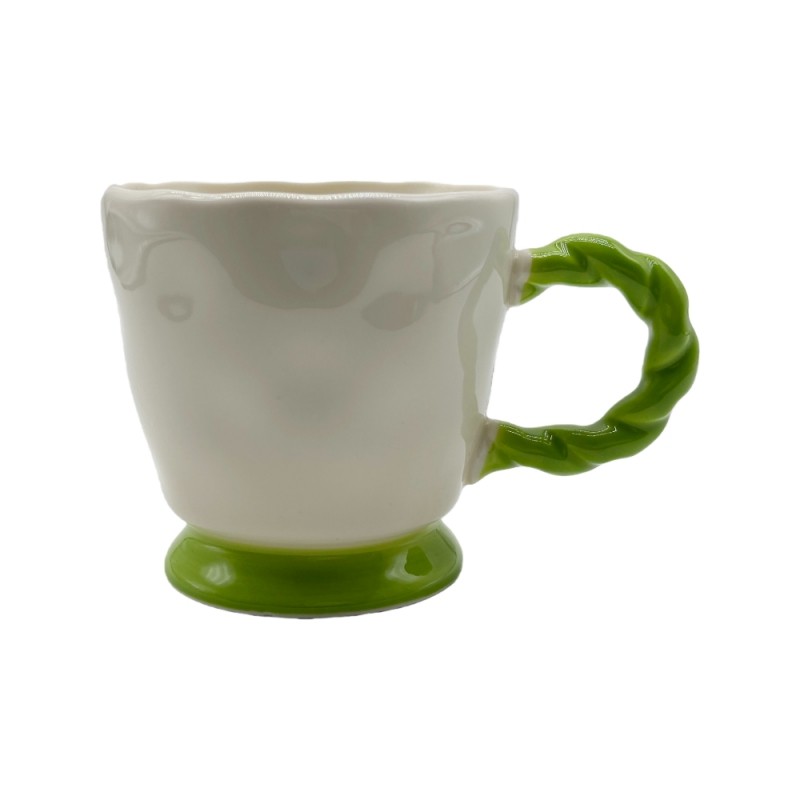
Putting your logo on a standard 11oz mug is decoration — fast, cheap, and effective. But when you design a new mug shape — a twisted handle, a taller body, a stackable profile — you have crossed into mold development, and that is a completely different project with its own costs, timelines and minimums. Many buyers discover this only after asking "how much for a custom-shaped mug?" and getting a quote that looks like a typo.
This guide explains exactly how new mug shapes are developed: where the money goes, how long it takes, and how tooling changes MOQs.
The Mold Stack: Where Your Money Goes
A new mug shape is made with not one mold but three levels of tooling:
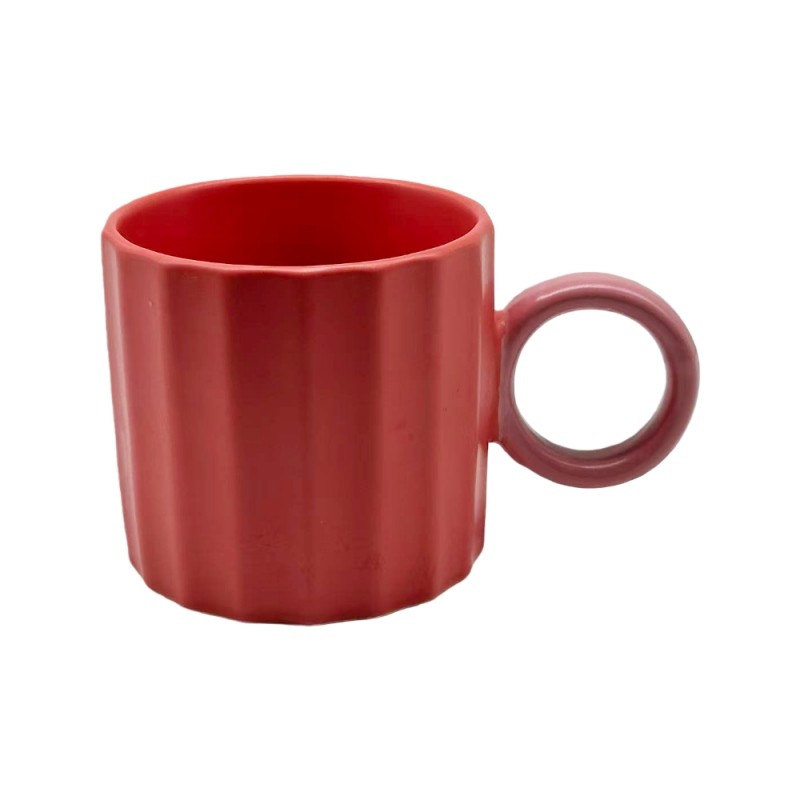
1. Plaster model mold. The original shape, carved or printed and finished by hand. This defines the final profile — every curve, handle angle and rim detail. Cost is mostly craftsman time, not material. It is the cheapest level and the one you iterate on. Changes at this stage cost little; changes later cost a lot.
2. Master mold. Cast from the plaster model, this is the working template for making production molds. If you ever reorder years later, the master mold is what regenerates everything — which is why reputable factories keep masters archived and why you should confirm ownership in your agreement.
3. Production molds. The working molds used in daily production, cast from the master. A production line needs multiple sets because molds wear: each set produces a limited number of pieces before the surface degrades, especially for textured or ribbed shapes. This is the largest cost line for volume orders.
The practical insight: your "mold cost" is mostly the production mold quantity, which scales with your order volume and production speed, plus the one-time design and master work.
Timeline: The Realistic 6-10 Week Path
| Stage | Typical Duration | Notes |
|---|---|---|
| Shape design & 3D draft | 1-2 weeks | Confirm silhouette, capacity (ml/oz), handle style |
| Plaster model & sample | 2-3 weeks | First physical piece; approve the look and feel |
| Master mold & test firing | 1-2 weeks | Verify glaze fit, shrinkage, stability in firing |
| Production molds & ramp-up | 2-3 weeks | Build working molds, initial batch, quality check |
| Total before production | 6-10 weeks | Faster for simple shapes, slower for textured/stackable |
Shrinkage is the hidden factor: ceramic bodies shrink 8-14% between mold and fired piece. A 300ml design spec must account for that loss before the plaster model is approved — your factory should tell you the target unfired dimensions, not just the final capacity.
How Tooling Changes Your MOQ
New molds are expensive to amortize, so they change the economics of your minimum order:
Standard-shape MOQ vs custom-shape MOQ. A standard 11oz mug from existing molds can be ordered at 1,000 pcs. A new shape typically requires 3,000-5,000 pcs minimum — not because the factory is punishing you, but because the tooling cost per piece only makes sense at volume. Ask suppliers for the amortization math: at what quantity does the new-shape premium per piece approach the standard price?
One shape, multiple decorations. The smart play is to amortize one new mold across several decoration runs — same custom body, multiple colors or logo variants. One tooling investment, three or four product lines. This is how custom shapes become viable for mid-size buyers.
Prototype samples before committing. Quality suppliers offer prototype sampling at the plaster-model stage (typically a modest fee credited against the final order). Ordering one or two prototypes lets you test glaze, weight and dishwasher safety before you commit to production molds. It is the cheapest insurance in the whole process.
Budget Planning: What to Expect
A fair planning range for a custom mug shape development, mold tooling included, runs roughly $800-$3,000 depending on complexity (simple straight-walled shape at the low end; textured, ribbed or stackable designs at the high end), with prototype sampling and shipping on top. The figure varies by factory and market, so the goal of this guide is not to quote a number but to teach the cost structure — design and master work, production mold volume, and amortization — so you can compare quotes intelligently.
How to Start a Custom Shape Program
- Send a reference. A photo, a sketch, or even a competitor's mug you want to improve. Descriptions drift; references do not.
- State capacity and destination. 300ml vs 350ml changes the plaster model; EU destination adds compliance questions (LFGB testing for the new glaze/body combination).
- Ask for the mold ownership clause. Confirm in writing that your master mold stays archived for reorders.
- Budget the timeline. Start development 10-12 weeks before you need production to begin — the 6-10 week development window plus production plus shipping.
Custom shapes are the fastest way to own a product instead of renting a commodity. The upfront cost and MOQ feel heavy; the alternative — competing on the same standard mugs as every other importer — is a race to the bottom. If you have a shape in mind, send us the reference and your target capacity; we will quote the full mold development path with a clear timeline.
When the decision moves to a bulk order, our bulk ceramic mug manufacturer page covers MOQ, decoration methods and certification in one place.
"Custom Mug Programs We Develop"
Explore products featured in this guide:
Have questions? See our Sizes & Finishes FAQ and Ordering & Certifications FAQ.
Need a custom quote? Send an inquiry or browse our full product catalog.