Currency and Pricing Management: How Ceramic Buyers Stop Exchange Rates Eating the Margin
The Hidden Line Item
Every ceramic import is priced in a currency and paid in a currency, and when those move, the margin moves with them. The exchange rate is the hidden line item on every order — the one that is not on the quote but shows up in the landed cost. Buyers who manage it treat currency as a pricing decision, not a weather report. This guide covers the four levers (quote currency, contract rate, payment timing, hedging basics) and the checklist that keeps exchange rates out of the margin.
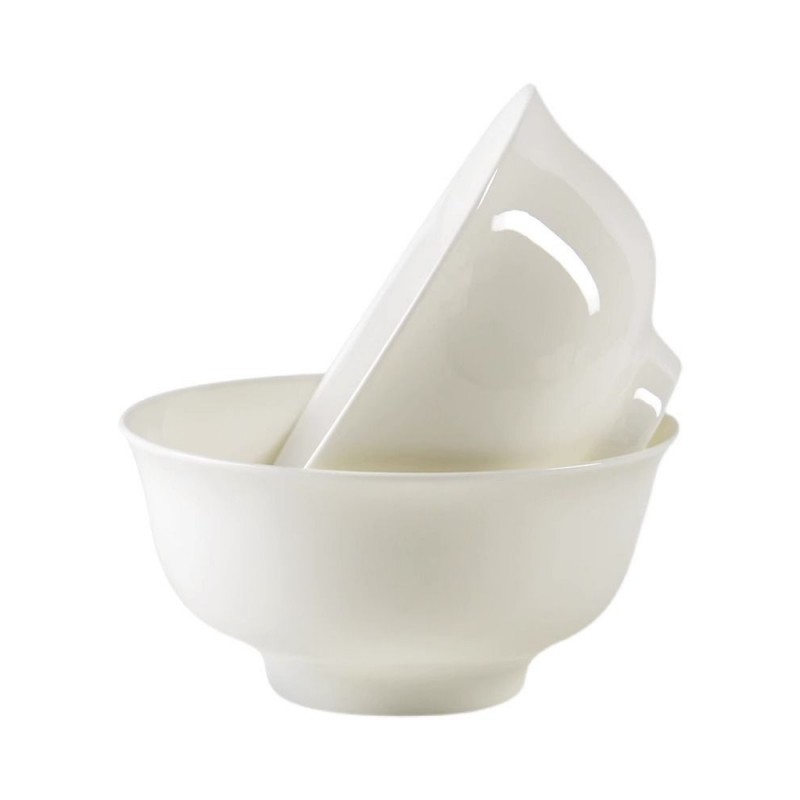
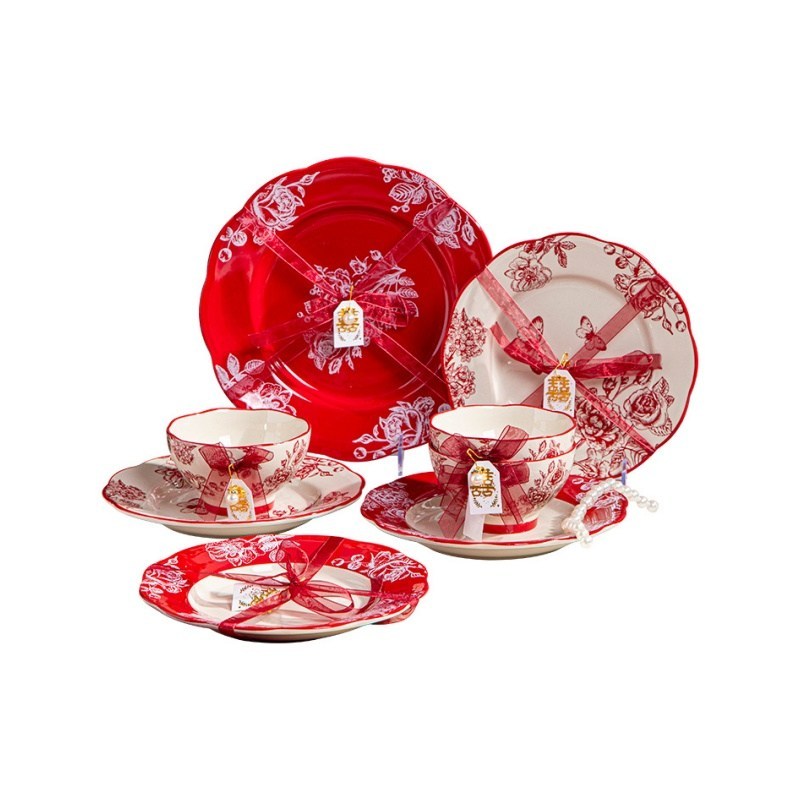
Products in this guide: Bone China Rice Bowl Set · Elegant Newlywed Ceramic Dinnerware Set 24-Piece
Lever 1: The Quote Currency
The first decision is which currency the factory quotes in. USD is the default for most ceramic trade, and it works when the buyer's own market is USD-linked. For European buyers, EUR quotes remove the double conversion and the European importers who negotiate EUR pricing often find the factory's USD baseline leaves room to move. The rule: quote and pay in the same currency you sell in, when the factory will agree to it — the factory carries its own conversion cost either way, and the buyer who asks often gets a cleaner number than the buyer who accepts the default.
Lever 2: The Contract Rate
The contract decides who eats the movement between quote and payment. Two structures cover most cases:
- Fixed rate for the contract: the price is locked at the quote-date rate for the life of the PO. The buyer gets certainty; the factory carries the risk (and prices it in — the fixed rate usually sits slightly less favorable than the spot).
- Floating with a clause: the price adjusts if the rate moves beyond an agreed band (for example, ±3%). The risk is shared, and the band keeps the adjustment from becoming a renegotiation.
The sourcing rule: choose the structure that matches the order's time horizon. A short lead-time order can take a fixed rate cheaply; a long program with quarterly shipments should have a band clause, because no factory prices a 12-month fixed rate without building a generous cushion.
Lever 3: Payment Timing
The rate you actually get is the rate at payment, not at quote. Two timing levers follow:
- Pay close to shipment, not early: an early deposit locks the rate early and gives up the flexibility; most ceramic terms (deposit plus balance against documents) put the bulk of the exposure at the end, which is where the buyer wants it.
- Time the big payments: for large balances, a day or two of timing around known rate moves can be worth real money — but the discipline is to time within the contract window, never to gamble the shipment date to chase a rate.
Lever 4: Hedging Basics
The sophisticated tool is forward cover — locking a rate with the bank for a future payment — and it is not as exotic as it sounds: any importer who does repeat payments can ask the bank for a forward rate on the next quarter's payments. The rule of proportionality: hedge the big, predictable payments (quarterly container programs) and leave the small, variable ones open. Full hedging of every order is over-engineering; zero hedging of a big program is gambling.
The Currency Risk Checklist
Before each order, confirm five things: the quote currency matches the currency you sell in (or the double conversion is priced in); the contract rate structure matches the time horizon (fixed for short, band for long); payment timing sits as close to shipment as the terms allow; big repeat payments are covered by a forward where the volume justifies it; and the margin has a buffer for a plausible rate move — because the rate will move, and the buyer who priced the buffer in is the buyer who is not surprised at the bank.
"Pricing-Stable Ceramic Programs"
Explore products featured in this guide:
Have questions? See our Sizes & Finishes FAQ and Ordering & Certifications FAQ.
Need a custom quote? Send an inquiry or browse our full product catalog.