Container Loading and Pallet Configuration: The Money You Leave on the Deck
The Problem: Three Properties That Do Not Cooperate
Ceramic is heavy, fragile and bulky at the same time, and every freight decision is a negotiation between those three. Too much height and the bottom cartons carry a load they cannot survive; too little and a container sails half empty while you pay for the space; a pallet configured for warehouse handling may be the wrong footprint for the container. The consequence of getting it wrong is not abstract — it shows up as a freight invoice, a breakage claim, or a delivery that is short of the quantity ordered.
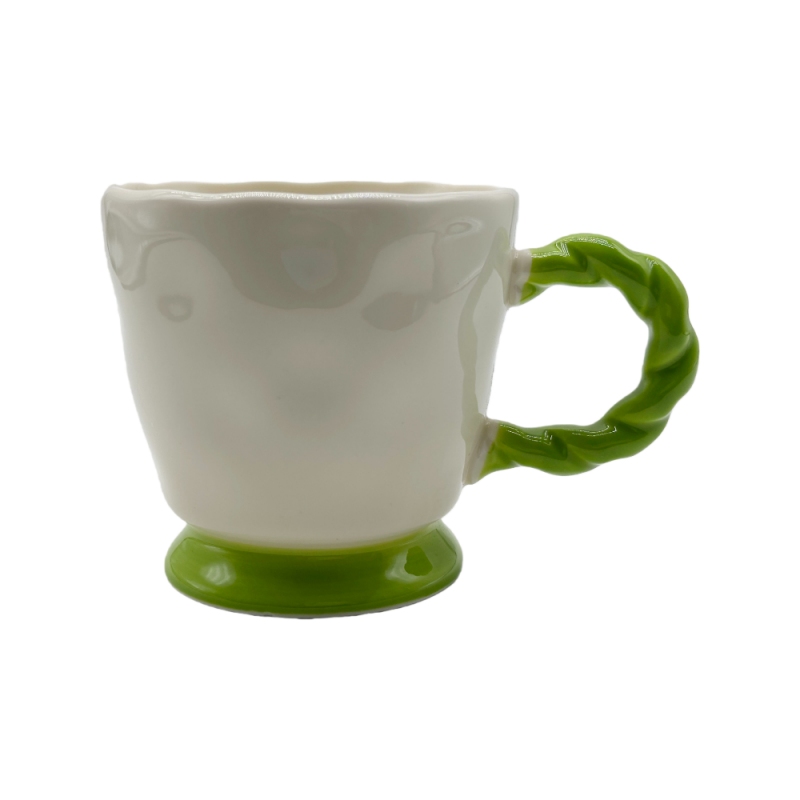
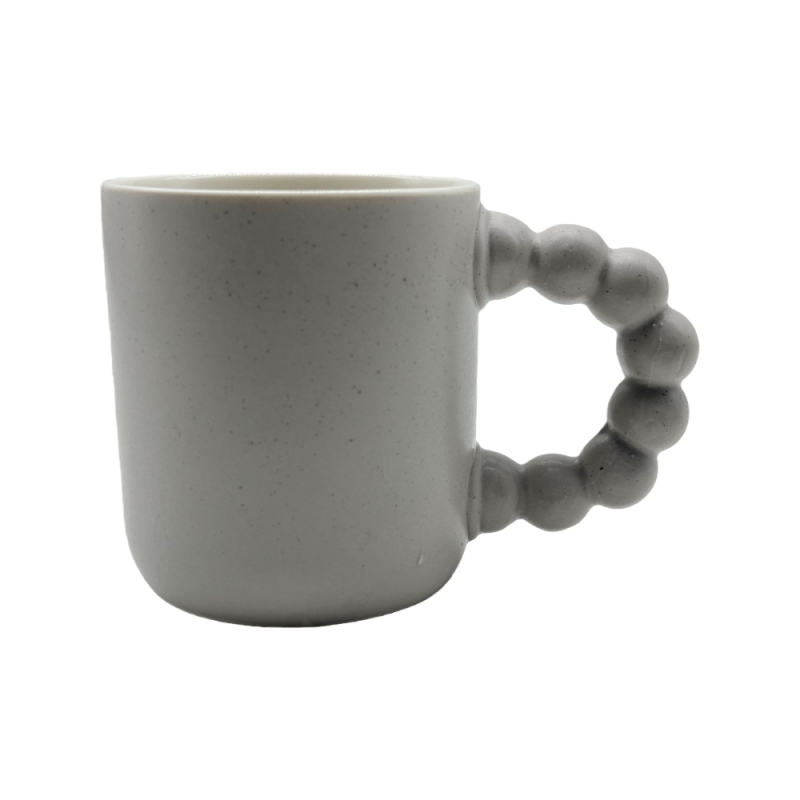
Products in this guide: Nordic Style Ceramic Chopstick Holder · Nordic Ceramic Chopstick Holder
Where This Fits in the Sourcing Chain
Container loading is decided by carton dimensions, which are decided at the packaging stage — long before anyone books freight. The spec freeze guide explains how artwork and packing files are locked between orders. The pack must also survive the load above it, which is a specification question rather than a logistics one. The packaging guide explains how retail-ready and protective layers are specified together. The full chain follows the standard sourcing map. See the full ceramic sourcing process map.
The Four Figures That Matter
Carton dimensions. A carton sized to a standard pallet footprint — commonly 1,200 × 1,000 mm or 1,200 × 800 mm depending on the destination market — wastes no deck space. A carton 40 mm too long can cost a row of pallets per container, which is real money over a year.
Carton weight. Handling limits and stack strength both derive from it. A carton that one person can lift without equipment moves faster everywhere, from the factory floor to the customer's warehouse.
Pallet height. Standard container internal height is around 2.39 m for a 20-foot and 2.69 m for a 40-foot high cube, and standard pallet heights are built to 1,600–1,800 mm for double-stack loading. A plan that lands 100 mm over a stacking threshold loses an entire tier.
Payload versus volume. Ceramic usually runs out of weight before it runs out of space — the inverse of most consumer goods. That means the useful question is not "how much volume fits" but "which carton configuration lets us use the weight allowance without overloading the bottom layer".
How the Plan Is Built
Three practical steps. Design the carton to the pallet, not the pallet to the carton, because carton tooling is where the flexibility is. Calculate the stack from the bottom up, checking that the lowest carton can bear the total load rather than trusting that it did last time. Reserve a little air, because a plan that fills a container to the millimetre fails in practice when a pallet is re-stacked or a carton is repacked at the port.
Where the Savings Actually Are
Four levers, in order of effect. Carton geometry: matching the pallet footprint is usually worth more than any negotiation with a forwarder. Pallet height standardisation, so every shipment loads in the same pattern. Product-specific carton counts — a formula-driven "pieces per carton" for each item rather than a nominal one, because a carton that is 10% under-filled is 10% wasted freight. And loading pattern documentation, so the container is packed the way it was planned rather than the way the loader prefers.
Why Suppliers and Buyers Both Care
For the supplier, a good loading plan is a competitive argument: the same goods at a lower landed cost. For the buyer, it is the difference between a delivery that arrives complete and a claim that takes a month to settle. Neither party benefits from a plan that looks efficient on a spreadsheet and fails on the deck — which is why the figures above belong on the specification sheet, next to capacity and material.
The Habit That Ties It Together
The habit is to treat the carton as a product component with a target footprint and a target weight. Programs that do this pay less per piece, land fewer breakages, and stop renegotiating freight every season.
Related Products
Explore products featured in this guide:


Have questions? See our Sizes & Finishes FAQ and Ordering & Certifications FAQ.
Need a custom quote? Send an inquiry or browse our full product catalog.