
Container Loading Supervision: What to Watch While the Container Is Open
The Last Moment You Can Still Fix It
Everything before loading is planning and production. Everything after loading is a claim. The hour spent with the container doors open is the only point in the whole programme where a wrong count, a soft carton or a missing desiccant can be corrected at the factory's cost instead of at the buyer's.
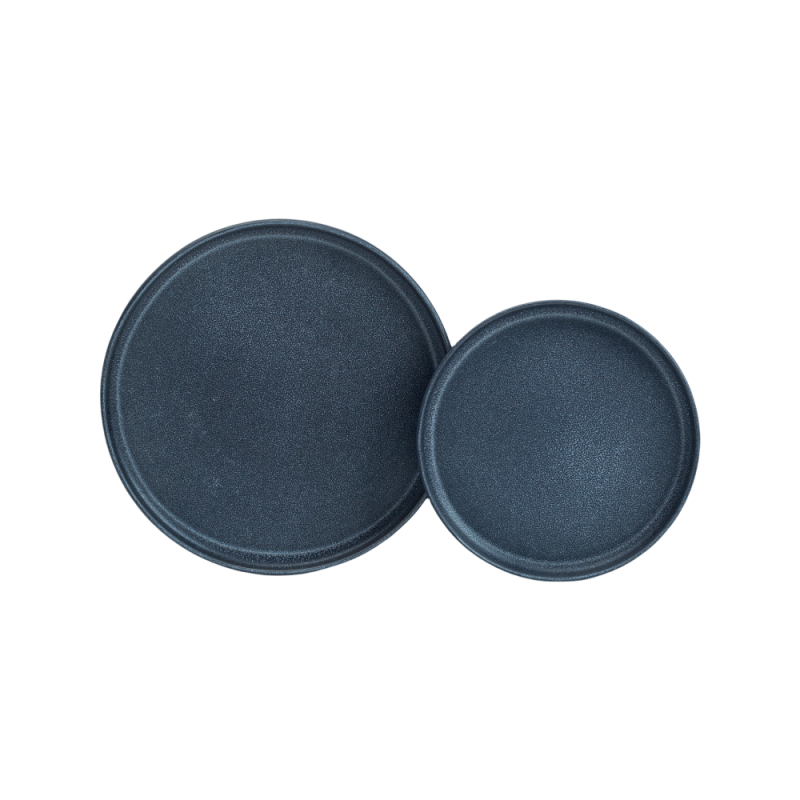
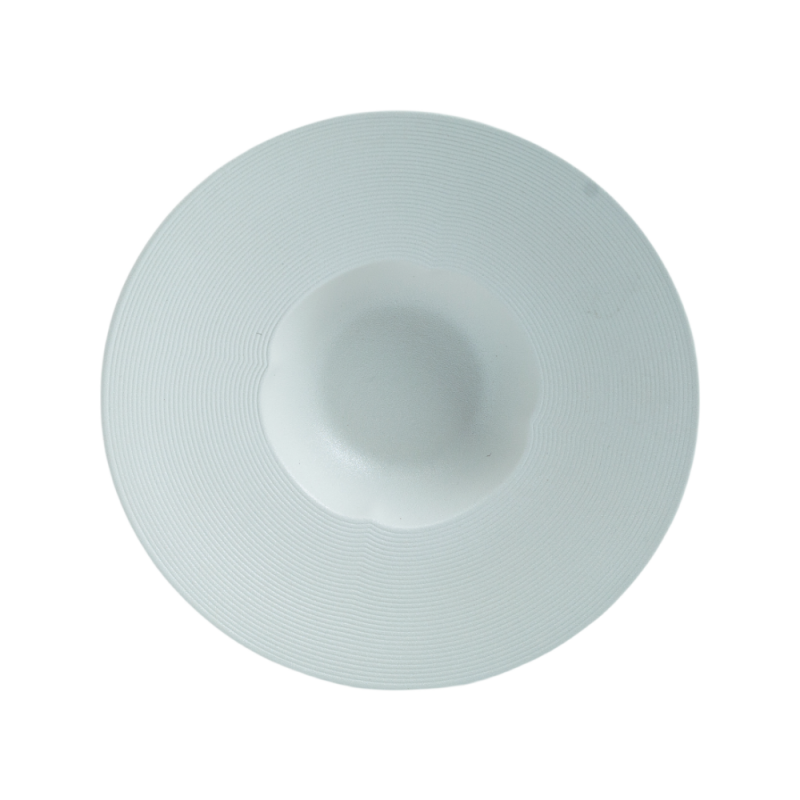
Products in this guide: Reactive Glaze Dinner Plate · White Ceramic Dinnerware Sets
Supervision is not about distrust. It is about the fact that loading is fast, physical and done under time pressure — exactly the conditions in which small errors pass unnoticed.
What Supervision Actually Covers
A useful supervision visit checks six things, in this order:
- Count against the packing list. Cartons per pallet, pallets per container, and the resulting piece count. Counting cartons is fast; the discrepancy is usually between the carton count and the piece count per carton, so both need checking.
- Carton condition. Dry, undamaged, correctly closed, no collapsed stack. Cartons that come off a humid production floor and go straight into a container are a moisture decision made too late.
- Stacking pattern. Height consistent with the loading plan, no overhang, no gaps that will let the load shift, heavier items low, and the last row braced so it cannot fall against the doors.
- Moisture protection in place. Desiccants present, in the agreed quantity, distributed rather than piled in one spot; liner installed and sealed; pallets dry.
- Protection against movement. Corner boards, strapping and any blocking agreed in the packing specification. An insert protects the piece inside the carton; blocking protects the cartons inside the container.
- The container itself. Dry inside, no holes, no odour, doors closing properly. A wet container defeats every other measure.
The Photographs That Matter
Photographs are the deliverable, because they are what survives the voyage. The set worth taking:
- Container number and seal number, legible.
- The empty container, showing it is dry and undamaged.
- The first row loaded, showing the stacking pattern.
- The halfway point, showing the pattern continuing.
- The final row, showing the load is braced and the doors can close.
- The closed doors with the seal, showing the seal number.
- The packing list and the truck plate, so the record ties to a specific shipment.
A supervision report without these images tells nobody anything six weeks later.
What to Do When Something Is Wrong
The instruction to give the supervisor in advance is the part most buyers forget. The useful protocol is:
- Stop loading if the deviation affects protection, count or moisture control — not "finish and report".
- Photograph the deviation in place, before anything is adjusted.
- Notify the buyer the same day, with the container number and what was found.
- Correct on site where possible — replace soft cartons, add desiccants, re-brace the last row.
- Record what was corrected and what was not, so the file is complete before the seal goes on.
A supervisor who quietly fixes a problem and reports nothing has removed the buyer's ability to know what they received.
Who Should Supervise
- The factory's own QC is the default and is adequate when the relationship and the process records are sound.
- A third-party inspector adds independence and is worth it for first orders, new designs, high-value programmes and any shipment that has previously gone wrong.
- The buyer's own agent is the middle option and works well where the agent already handles several suppliers.
The cost of supervision is small against the cost of a container that arrives short, wet or collapsed.
For the surrounding decisions, see <a href="https://www.storiwareceramicmugs.com/oid1757203/The-Custom-Mug-Programme-Buyer-Guides-by-Decision.htm">the custom mug programme guides</a> and the <a href="https://www.storiwareceramicmugs.com/oid1757097/Ceramic-Packaging-Container-Freight-Hub.htm">packaging, container and freight hub</a>, which set out how loading plans and packing specifications are agreed. Our <a href="https://www.storiwareceramicmugs.com/products2147420/Custom-Ceramic-Mugs-Cups.htm">ceramic mugs and cups</a> range is packed to a written configuration per item, and the <a href="https://www.storiwareceramicmugs.com/oid1756307/Custom-Ceramic-Mugs-Bulk-Order-Factory-Direct-from-China.htm">bulk order programme</a> explains how the loading plan is scheduled. To arrange loading supervision for a shipment, <a href="/contact-us.htm">send the loading date, the port and the report format you need</a>.
The spec freeze guide explains how artwork and packing files are locked between orders.
What to Put in the Order
- Who supervises the loading, and who pays for it.
- The six checks listed, so the visit has a scope rather than a mood.
- The photograph set required, including seal and container numbers.
- The stop-and-escalate protocol, agreed before the loading day.
- The loading report format, delivered before the container sails.
- The correction authority, so the supervisor can act rather than only observe.
The packaging guide explains how retail-ready and protective layers are specified together.
The Habit That Ties It Together
The habit is to treat the loading day as an inspection point, not a logistics formality.
Related Products
Explore products featured in this guide:

Have questions? See our Sizes & Finishes FAQ and Ordering & Certifications FAQ.
Need a custom quote? Send an inquiry or browse our full product catalog.

