
Complaint Triage: Not Every Complaint Deserves the Same Response
The Cost of Treating Everything as Urgent
A programme that responds to every complaint at maximum urgency has no capacity left for the one that matters. A cracked rim on a single mug and a batch-wide glaze failure arrive in the same inbox, and if both get the same treatment, the batch failure waits behind a hundred small ones.
Products in this guide: Novelty Ghost Ceramic Mug · Creative Ceramic Mug
Triage is not a way of caring less. It is a way of making sure the serious problem is not queued behind the trivial.
Three Levels
Level A — safety or batch-wide. Any indication that the product is unsafe in use, or that a whole batch shares a defect. Also: a retail or regulatory rejection.
*Response: acknowledge within hours, freeze the stock, start the investigation the same day, escalate to whoever can stop shipments.*
Level B — systematic. A defect that repeats across a delivery or across several customers, but is not a safety issue. A run of chipped rims, a colour that is visibly off, a lid that leaks on a whole lot.
*Response: acknowledge within one working day, request evidence, investigate within an agreed window, report the cause and the corrective action.*
Level C — isolated. One piece, one customer, one incident. Chipped, stained, broken in transit.
*Response: acknowledge and replace or credit according to the agreed policy, and record the code — because a hundred isolated complaints are how a Level B problem announces itself.*
The First 24 Hours
The first reply does three things and stops. It does not diagnose.
- Acknowledge the complaint and the date.
- Ask for the specific evidence: batch or lot code, photographs with a scale, the count, the date received, and how the product was used or washed.
- State the next step and when it will happen — a replacement, an investigation, a visit.
The single most damaging sentence in a complaints process is "we think it is probably the glaze". It commits the supplier to a cause before any evidence, and it hands the buyer a position to argue with.
What the Buyer Should Provide
The quality of the response is bounded by the quality of the report. Five items make the difference:
- The batch code, so the delivery can be traced to a production run.
- Photographs with a scale, showing the whole piece and a close-up of the defect.
- The count, expressed as "3 of 120" rather than "several".
- The date and the channel, because a defect pattern differs between retail and food service.
- The wash regime, where the defect could be care-related.
A supplier who asks for these is not stalling. A supplier who replaces without asking is not learning.
Closing the Loop
A complaint is closed when the cause is known, not when the replacement is shipped. The closing report has four lines:
- What happened — the observed defect, with the evidence.
- Why — the process cause, as specifically as it can be established.
- What changed — the corrective action, in the process rather than in the apology.
- How it will be verified — the next batch, and what will be checked on it.
A programme that replaces the goods and never asks why will replace the goods again next quarter.
The Agreement That Prevents the Argument
Two things belong in the supply agreement before any complaint happens:
- Response times per level, so "urgent" has a definition.
- Who pays for what — replacement, freight, sorting, disposal — at each level.
Both are cheap to agree in advance and expensive to negotiate during a problem.
For the surrounding decisions, see <a href="https://www.storiwareceramicmugs.com/oid1757203/The-Custom-Mug-Programme-Buyer-Guides-by-Decision.htm">the custom mug programme guides</a> and the <a href="https://www.storiwareceramicmugs.com/oid1757096/Ceramic-Quality-Inspection-Hub-AQL-Defects-Testing.htm">quality and inspection hub</a>, which cover defect classification and inspection levels. Our <a href="https://www.storiwareceramicmugs.com/products2147420/Custom-Ceramic-Mugs-Cups.htm">ceramic mugs and cups</a> range is produced to a retained specification per item, and the <a href="https://www.storiwareceramicmugs.com/oid1756307/Custom-Ceramic-Mugs-Bulk-Order-Factory-Direct-from-China.htm">bulk order programme</a> explains how inspection records support a complaint. To set response standards for a programme, <a href="/contact-us.htm">send the item list and the channels you serve</a>.
The spec freeze guide explains how artwork and packing files are locked between orders.
What to Put in the Agreement
- Three levels defined, with examples of each.
- Response times — acknowledgement and investigation.
- The evidence list required for a Level B claim.
- Who pays for replacement, freight, sorting and disposal.
- A closing report required for A and B, with a cause and a corrective action.
- An escalation contact, so Level A does not wait in a queue.
The packaging guide explains how retail-ready and protective layers are specified together.
The Habit That Ties It Together
The habit is to ask for the batch code before forming an opinion. A complaint with a code can be investigated; one without it can only be replaced.
Related Products
Explore products featured in this guide:

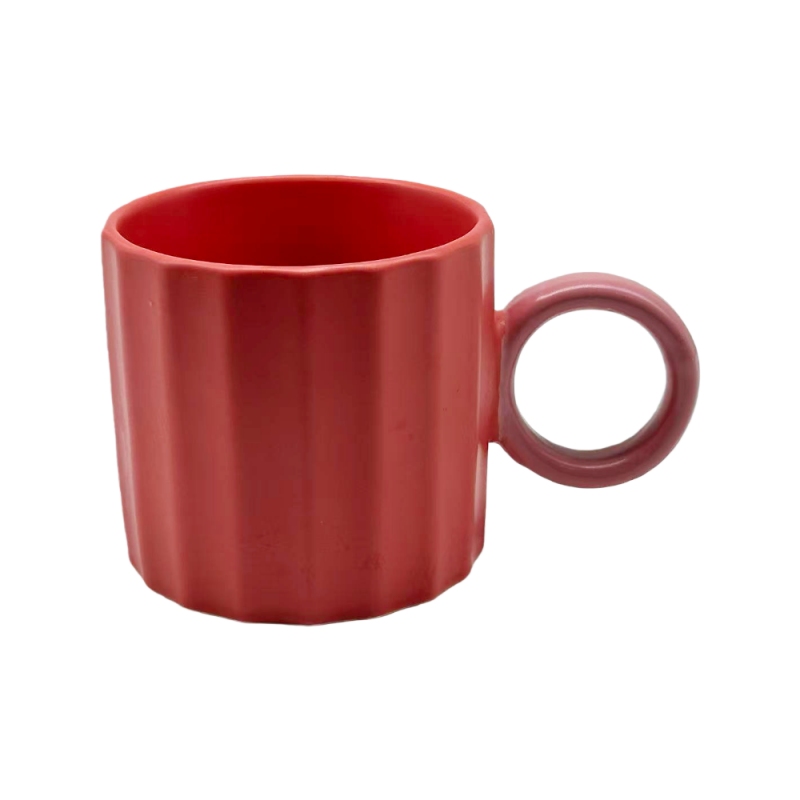
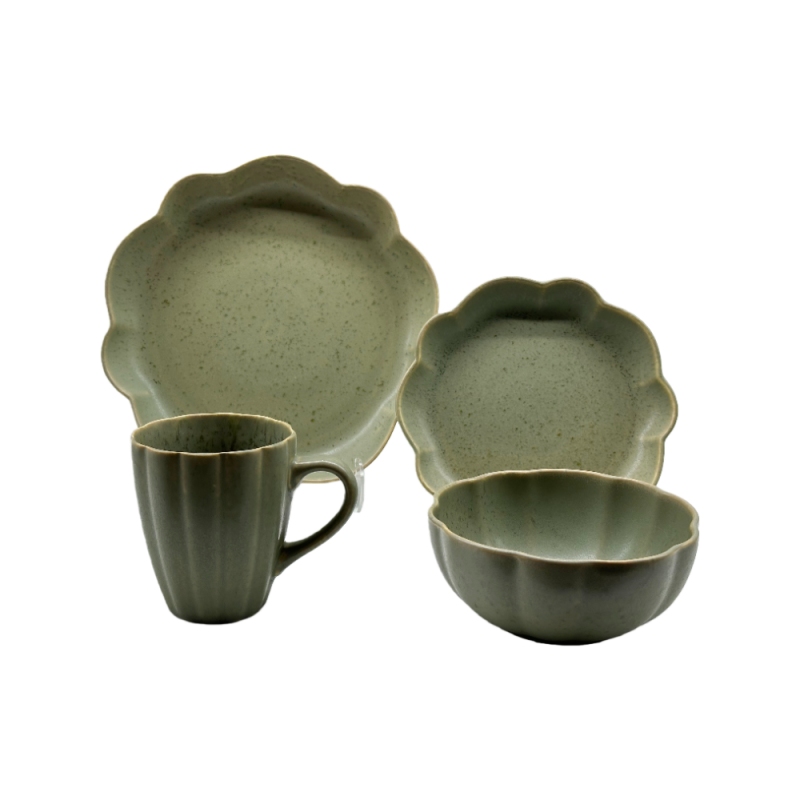
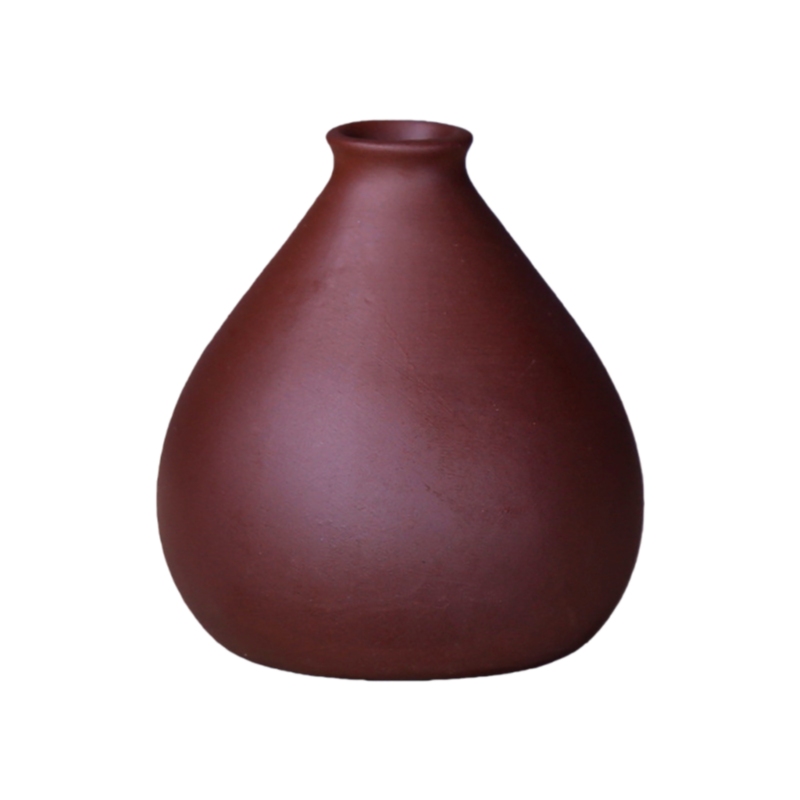
Have questions? See our Sizes & Finishes FAQ and Ordering & Certifications FAQ.
Need a custom quote? Send an inquiry or browse our full product catalog.

