Color-Handle and Two-Tone Mugs: The Design Detail Buyers Underrate
The Detail That Lifts a Mug Out of the Pile
Walk any mug shelf and you will see the problem: rows of white cylinders, differentiated only by a logo. Then one mug catches your eye — a colored handle, a two-tone body, an interior glaze that peeks over the rim. Same ceramic, completely different shelf presence. Color handles and two-tone designs are the fastest, cheapest way to make a mug feel premium — and yet most buyers never ask for them because they assume they are expensive or hard to make. This guide covers the design options, what they actually cost, and how to buy them well.
Design Options: From Subtle to Statement
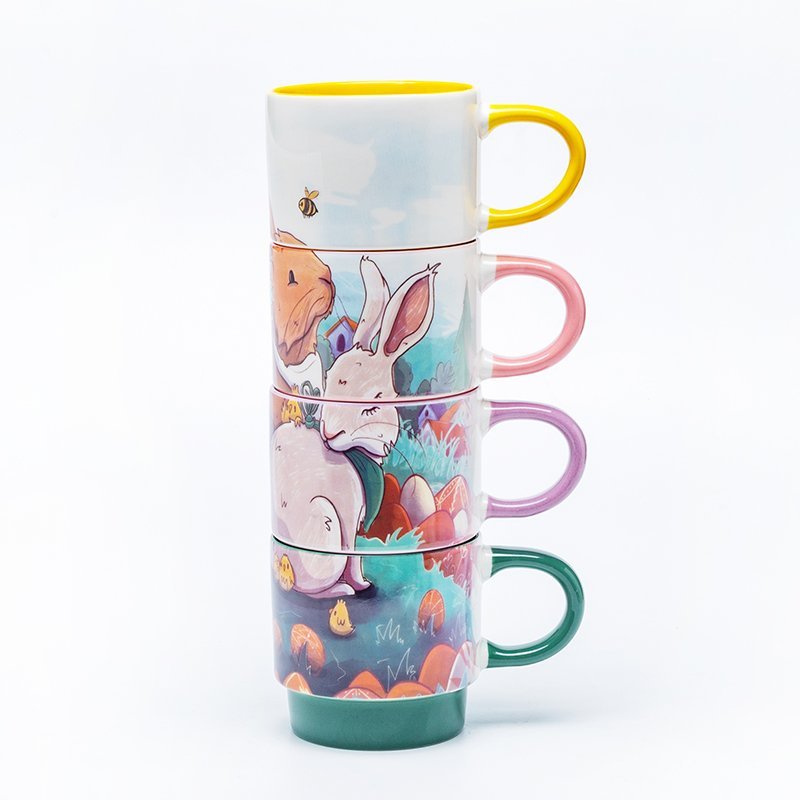
Color handles — the handle is glazed in a different color from the body. Classic combinations: white body + black/red/teal handle, cream body + terracotta handle.
Two-tone bodies — the body is split into two colors, typically:
- *Horizontal split*: white or cream upper half, colored lower half (very common in Scandinavian-style tableware).
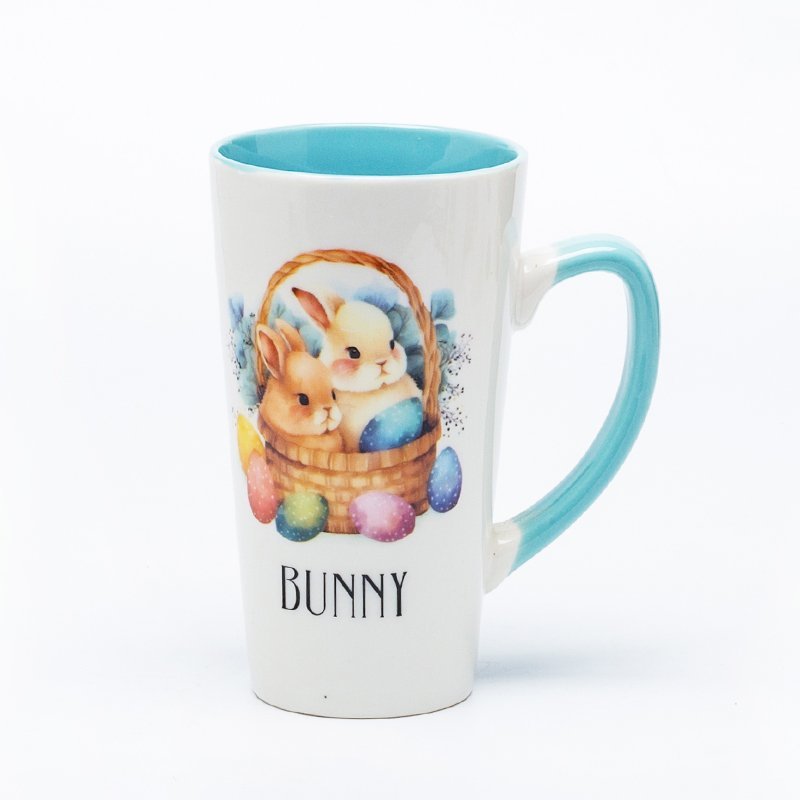
- *Interior contrast*: a colored glaze inside the cup, white outside — the color peeks at the rim when drinking.
- *Two-tone rim*: a colored band or dip at the rim.
Accent elements — a colored band, a speckled glaze, or a contrasting foot ring. Cheaper than full two-tone but adds the same "designed, not default" signal.
The common thread: contrast is what reads as premium. A mug that is entirely one color is a commodity; a mug with a deliberate second color looks considered.
Why They Work: The Psychology of the Detail
- Perceived value jumps before price does. A two-tone mug photographs better and reads as more expensive on a shelf or in a listing.
- They signal "branded, not blank". Even unprinted, a two-tone mug looks like a designed product — useful for cafés and retail brands that want shelf identity without custom printing.
- They drive gifting. A mug with a colored handle feels like a gift item; plain white reads as a utilitarian buy.
- Differentiation without inventory explosion. You can run one body shape with four handle colors and get four distinct SKUs — a cheap way to widen the line.
Manufacturing Reality: What Actually Happens in the Factory
The honest part: two-tone and color-handle mugs are more complex to make than plain mugs, and the constraints matter for your order:
- Handles are usually dipped or sprayed separately — the handle may be formed, glazed and fired with its own color, then joined. This is why colored handles sometimes show slight shade variation run to run.
- Two-tone bodies need masked dipping — the lower half is dipped first, dried, then the upper half is dipped with the line hand-finished. Small batch tolerances of a few millimeters on the color line are normal.
- Interior contrast is the easiest premium — a colored interior glaze is a single dip that is fully hidden except the rim. Less risk than exterior two-tone.
- Color consistency across batches — colored glazes match within a batch, but across batches (especially months apart) expect slight drift. Reorder planning should account for it.
Ask the supplier for a pre-production sample of the color run — the shade on a screen and the shade in a kiln are different things.
Cost Impact: How Much Premium to Budget
| Design | Typical cost premium vs plain white |
|---|---|
| Color handle | +5-10% |
| Interior contrast glaze | +5-10% |
| Two-tone body (masked dip) | +10-20% |
| Two-tone + color handle combined | +15-25% |
| Hand-painted accent | +20-40% (labor) |
Two notes: the premium is usually worth more than the price suggests (perceived value lift is larger than the cost lift), and MOQ rises with complexity — a two-tone body often needs 2,000-3,000 pcs minimum because the masked dipping adds setup and labor.
Buying Tips: Get It Right the First Time
- Start with interior contrast or a color handle — lowest risk, most of the premium look.
- Get the color line tolerance in writing — a two-tone body with a wobbling color line looks broken; agree on acceptable variation (±2-3mm is typical).
- Order a full pre-production sample — verify handle shade, color line and rim finish before the mass run.
- Ask for batch numbers on colored runs — shade drift between batches is the #1 reorder complaint.
- Test the handle color against dishwasher cycles — some colored glazes fade or craze faster than white; ask for the glaze's durability record.
- Match the design to your market — muted two-tone (oat, sage, terracotta) fits Scandinavian/European aesthetics; brighter two-tone (red, teal, cobalt) sells better in promo and gift channels.
The Buyer's Cheat Sheet
- Want premium on a budget? Interior contrast glaze — cheapest true "designed" signal.
- Want shelf identity without printing? Color handle or two-tone body.
- Want to expand the line cheaply? One shape, four handle colors = four SKUs.
- Buying for EU/Scandi retail? Muted two-tone with matte finish.
- Buying for promo/gift? Bright two-tone or seasonal color handles.
Color handles and two-tone bodies are the underrated upgrade in ceramic mugs — a small cost lift that moves a mug from commodity to considered. Ready to add color to your mug line? Send us your base shape and target market, and we will quote the color options with samples.
"Featured Two-Tone and Decorated Tableware"
Explore products featured in this guide:
Have questions? See our Sizes & Finishes FAQ and Ordering & Certifications FAQ.
Need a custom quote? Send an inquiry or browse our full product catalog.