
Color Control in Ceramic Sourcing: Lab Dips, Delta E and How Buyers Keep Batches on Shade
The Shade Was Fine on the Sample. The Batch Is Not.
Every ceramic buyer has lived it: the sample was perfect, the container arrives, and the color is off — slightly, everywhere, and on the one shade the customer was buying for. Color is the most visible quality attribute in ceramics and the hardest to hold, because it depends on glaze chemistry, firing temperature and batch variables that shift between sample and production. The buyers who control color do not hope for consistency — they engineer it with three tools: the lab dip, the tolerance, and the acceptance method.
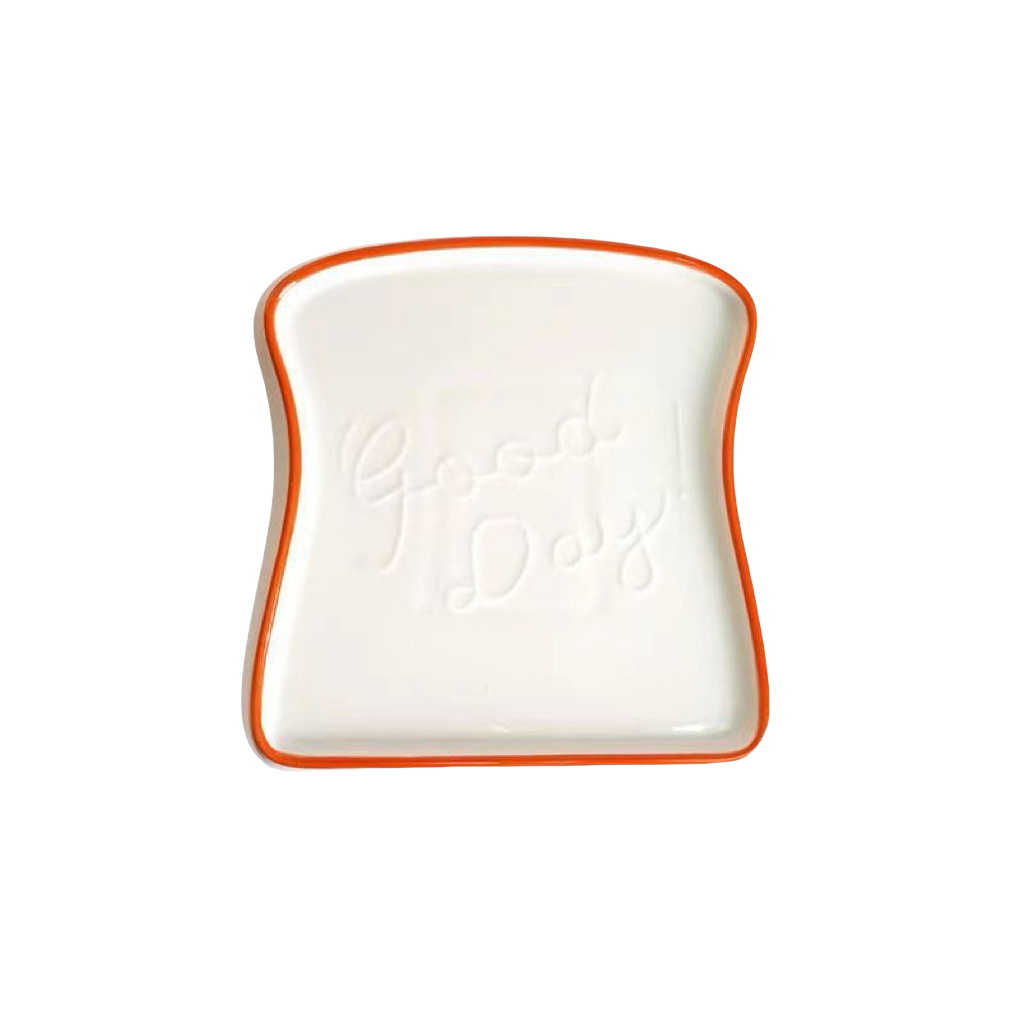
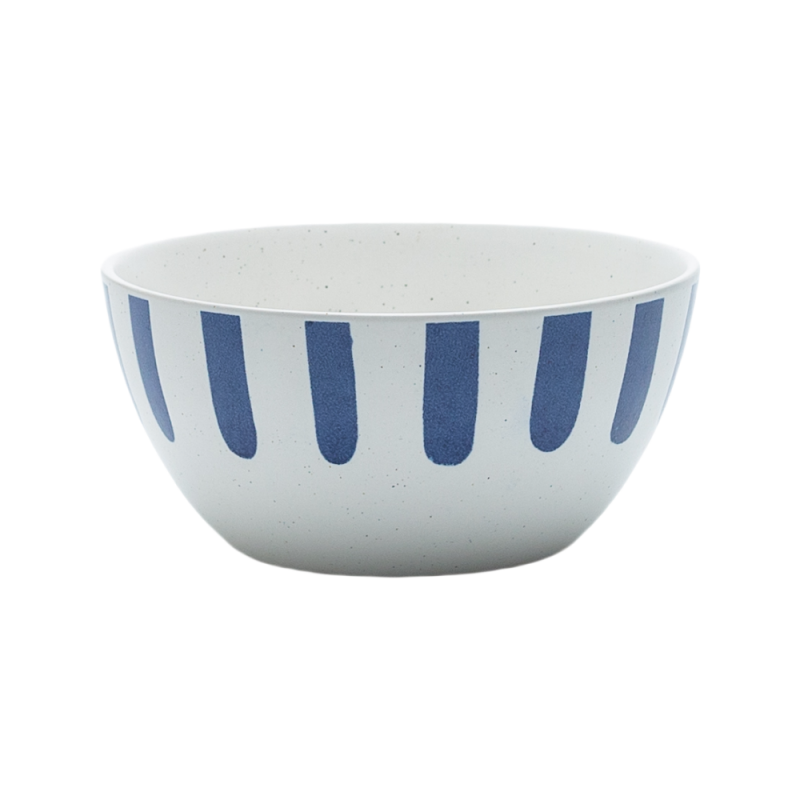
Products in this guide: Red Rim Dessert Plate · Nordic Blue Brushstroke Bowl
Tool 1: The Lab Dip
The lab dip is the color benchmark. When a buyer specifies a color — a Pantone reference, a competitor's shade, a brand color — the factory produces a small glaze test piece and the buyer confirms or corrects it before production. The lab dip process:
- Specify the target: the Pantone or RAL reference, a physical color sample, or the brand color code. A physical sample beats a code every time — codes are interpreted, samples are seen.
- Factory produces the dip: the factory mixes the glaze and fires a small test piece under production conditions.
- Confirm or correct: the buyer compares the dip against the target under standard lighting and approves it or requests a correction. This can take one to three rounds — each round is days, so start early.
- Freeze the dip: the approved dip becomes the reference — photographed, stored, and named ("Blue 452 approved 12-Aug"). Every subsequent check compares against this frozen reference, not against memory.
The rule: never start production without an approved lab dip for each color in the design. Production without a dip is production without a benchmark.
Tool 2: The Tolerance (Delta E)
Approval is not a yes/no on the shade — it is a range. The professional measure is Delta E (ΔE), the mathematical difference between two colors:
- ΔE ≤ 1: indistinguishable to most eyes — the tightest standard, used for brand colors and logo work.
- ΔE ≤ 2: a slight difference visible only side by side — the practical standard for most decorated ceramics.
- ΔE ≤ 3: a visible difference that is still commercially acceptable for some glazes and artisan finishes.
- Above ΔE 3: a mismatch that will be noticed and disputed.
The tolerance is agreed at the lab-dip stage and written into the spec: "production glaze must match the approved dip within ΔE 2." This one line converts "the color is a bit different" from an argument into a measurement.
The Artisan Exception
Reactive, crystalline and other artisan glazes deliberately vary piece to piece — the variation is the design (see our glaze guides). For these, the tolerance is replaced by a reference range: the buyer approves a dip that shows the intended variation, and the acceptance criterion is "within the approved variation range," not a delta. Rejecting artisan variation is a buyer error; the standard must distinguish "designed variation" from "batch drift."
Tool 3: The Acceptance Method
The tolerance only works if it is checked. The acceptance method:
- First-piece check: at production start, the first pieces are compared against the frozen dip under standard lighting (natural daylight or a color-check lamp — never under mixed store lighting).
- Batch sampling: during production and at pre-shipment inspection, color is checked on the AQL sample (see our inspection guide) — the inspector compares against the dip and records any deviation.
- Physical comparison: keep a copy of the approved dip at the factory and one in the buyer's hands; comparisons are dip-to-piece, never memory-to-piece.
- The record: the inspection report records the color result; if a batch drifts, the deviation is measured, and the decision (accept within tolerance, rework, reject) is made on the number, not the mood.
The Color Control Checklist
Before production of any colored ceramic program, confirm: every color has an approved lab dip (target, factory dip, confirmed, frozen); the ΔE tolerance is agreed and written into the spec (ΔE 2 for decorated, tighter for brand colors, a reference range for artisan glazes); the acceptance method is booked (first-piece check, batch sampling, physical dip copies); and the inspection includes the color check. Color is chemistry plus discipline — the lab dip sets the benchmark, the tolerance makes it measurable, and the acceptance method makes it real. Buyers who run all three do not get shade surprises; the others get exactly what they did not measure.
"Color-Ready Ceramic Programs"
Explore products featured in this guide:
Have questions? See our Sizes & Finishes FAQ and Ordering & Certifications FAQ.
Need a custom quote? Send an inquiry or browse our full product catalog.