Coffee Chain Uniform Mug Programs: From One Store to a Hundred
A Chain Is a Brand System, Not a Collection of Stores
A coffee chain with fifty stores is not fifty independent mugs — it is one brand appearing fifty times. Customers expect the same cup in every location: same logo, same color, same feel, same durability. That consistency is a procurement decision made once at the chain level, not a hundred times at store level. Chains that let stores buy independently end up with a patchwork of mugs, wasted discounts, and a brand that looks different in every neighborhood.
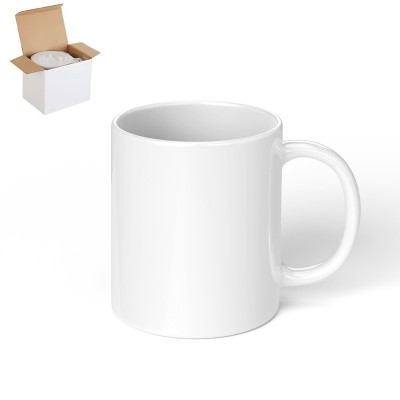
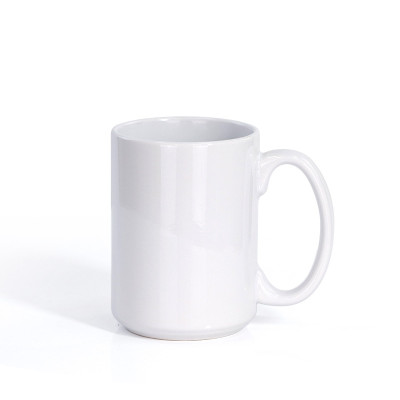
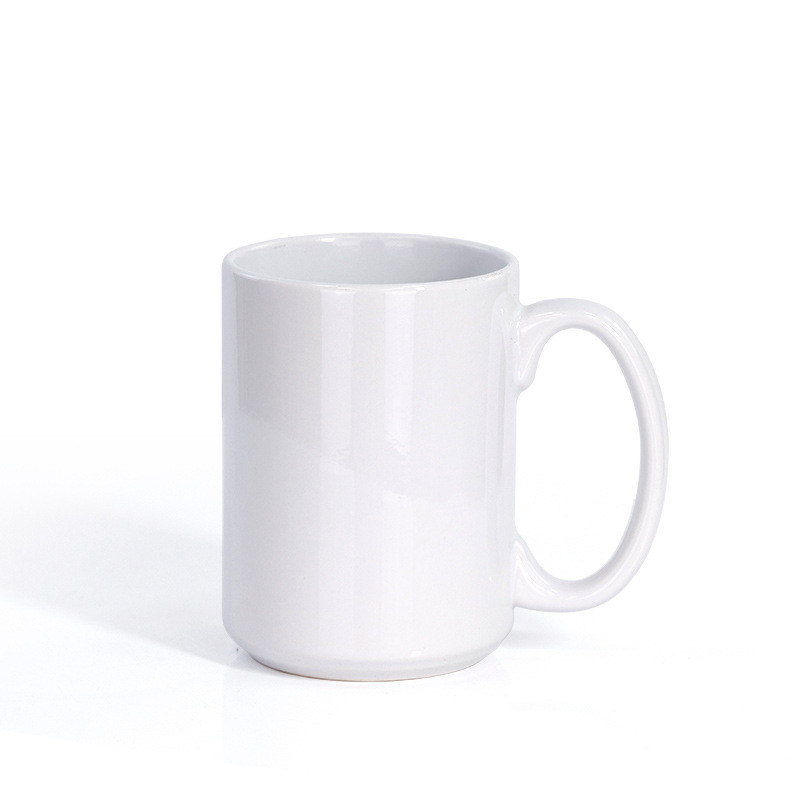
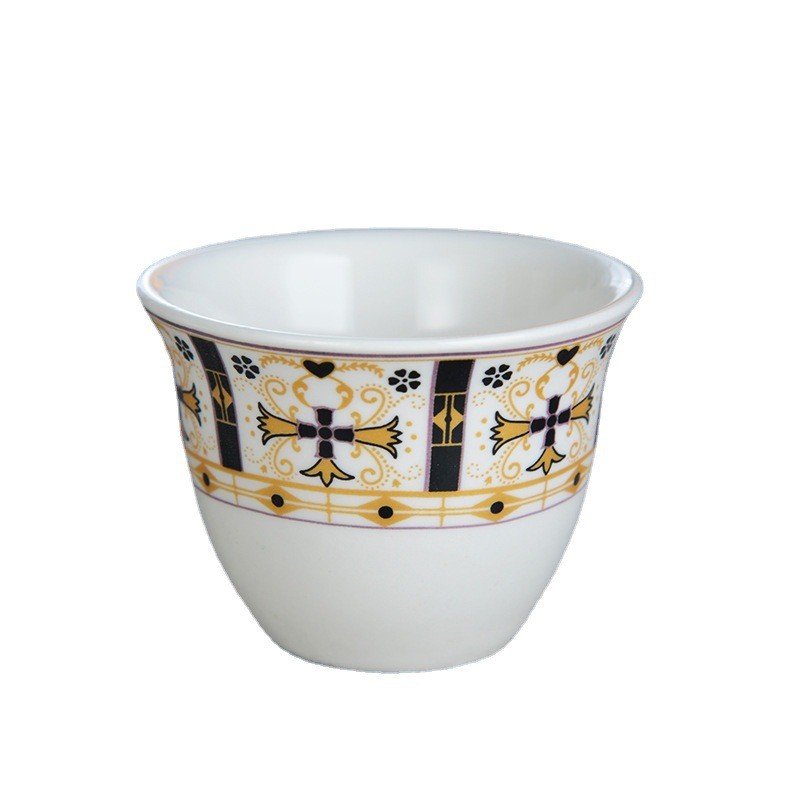
Products in this guide: 15oz Sublimation Blank Mug · Decorative Espresso Cup OEM
This guide explains how coffee chains and franchise systems build a uniform mug program: central procurement, a unified SKU system, and reorder terms that keep every store stocked with the same product.
Central Procurement: The Franchise Anchor
The most successful chain programs centralize mug procurement at the headquarters or franchisor level. Three decisions belong at the center:
1. The standard range. The chain approves a fixed set of mug SKUs — the standard size (usually 11oz or 12oz), a larger size, the espresso cup, and possibly a branded takeaway-adjacent format. Stores order only from this range; no store invents its own cup.
2. The unified spec. One spec covers every store: capacity, shape, glaze, decoration placement (logo position and size), and packaging. A unified spec means a cup bought for a new store in one region is identical to a cup bought for an existing store in another.
3. The approved supplier. The chain qualifies one supplier (or a short list) and negotiates the master terms: volume pricing across all stores, archived molds and artwork, reorder lead times, and quality standards. Stores then order through the system without renegotiating anything.
The Unified SKU System
The operational heart of a chain program is the SKU system. Each mug in the standard range gets a fixed SKU code that every store uses:
- SKU 01 — 11oz standard mug, brand logo, dishwasher-safe.
- SKU 02 — 15oz large mug, same finish.
- SKU 03 — espresso cup and saucer, brand-consistent decoration.
- SKU 04 — seasonal edition, same body, new decoration (rotated twice a year).
The SKU code ties everything together: store ordering, supplier production, inventory reporting and reorder forecasting. When a store orders SKU 01, the supplier produces exactly that piece, the warehouse stocks exactly that code, and the chain knows exactly what moved. Without a SKU system, a "50-store chain" operates as 50 separate buyers with 50 sets of paperwork.
Reorder Terms That Keep the Chain Running
A chain's mugs are consumables — they break, wear and get lost, and every store needs replenishment on a predictable rhythm. The reorder terms matter as much as the initial order:
Fill-in orders. The chain needs a mechanism for small, frequent fill-in orders (a store needs 50 mugs, not 5,000). Agree the minimum reorder quantity and the fill-in lead time with the supplier; a chain that must order 5,000 pieces to restock one store has a broken system.
Seasonal rotation. Many chains run seasonal editions (holiday patterns, summer colors) that rotate on the same body. The supplier should hold the mold and artwork so a seasonal reorder is decoration-only — fast and low-cost.
Breakage replacement. Chain operators live with a steady breakage rate. Confirm a standing replacement path with the supplier so broken stock is reordered alongside regular replenishment, not as an emergency procurement.
Brand Consistency in Practice
The logo rules. One artwork file, approved colors (PMS), one placement. The supplier keeps the approved artwork and applies it identically on every order — no store-level "small tweaks" that break the brand.
The finish rules. Glaze, matte vs glossy, and capacity must be fixed across the chain. A franchisee who "improves" the mug by switching to a glossy version creates a brand inconsistency that customers notice.
The documentation. A chain needs the standard compliance package (food-contact reports for every market where stores operate) as a standing document set, plus the QC spec that the supplier must meet on every batch.
The Chain Program Checklist for Suppliers
- Confirm the standard range and unified spec with the chain's HQ.
- Sign the master terms: volume pricing, mold/artwork archive, quality standards.
- Set the SKU system and map each code to a production configuration.
- Agree fill-in reorder terms, seasonal rotation and breakage replacement.
- Ship with per-batch QC documentation matching the unified spec.
A Supplier That Scales with the Chain
A coffee chain's mug program is a long-term relationship, and it needs a supplier that behaves like one: archived molds and artwork for identical reorders, volume pricing that improves as the chain grows, fill-in order capability, and seasonal decoration on the same body. Our factory supports chain programs at every stage — from a 10-store pilot to a 100-store rollout — with unified specs, SKU-based production and reorder terms designed for chains. If you are building or scaling a chain's mug program, send us your standard range and store count; we will quote the program with the consistency terms that keep every store identical.
"Chain-Ready Mug Systems"
Explore products featured in this guide:
Have questions? See our Sizes & Finishes FAQ and Ordering & Certifications FAQ.
Need a custom quote? Send an inquiry or browse our full product catalog.