Coffee Brand Meets Ceramic Maker: How Co-Branded Mug Programs Work for Both Sides
Two Brands, One Mug, Double the Reason to Buy
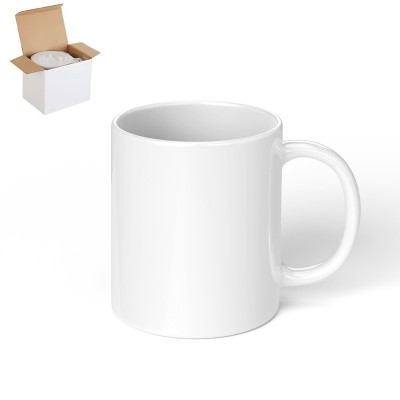
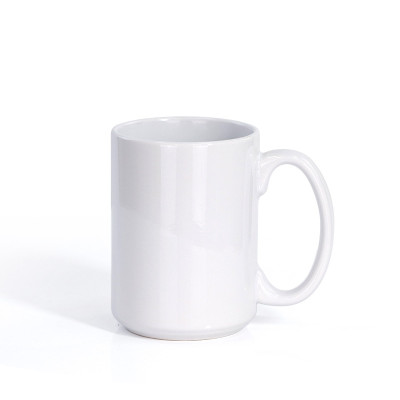
The coffee mug is the most-worn brand surface in the world: it sits on desks, kitchen counters and car cup holders for years, and it is bought by people who already love the coffee brand. That is why coffee brands and ceramic makers keep finding each other — the coffee brand brings a loyal audience and a story; the ceramic maker brings the product, the quality and the factory. A co-branded mug program is not a novelty item; it is a merchandising line with a real margin, and it works when both sides understand their role.
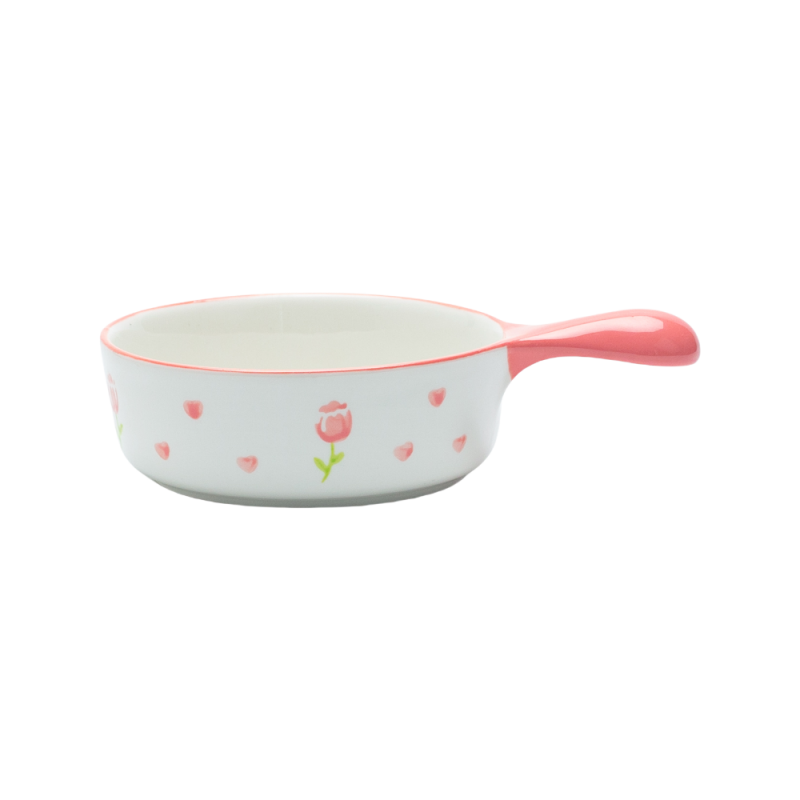
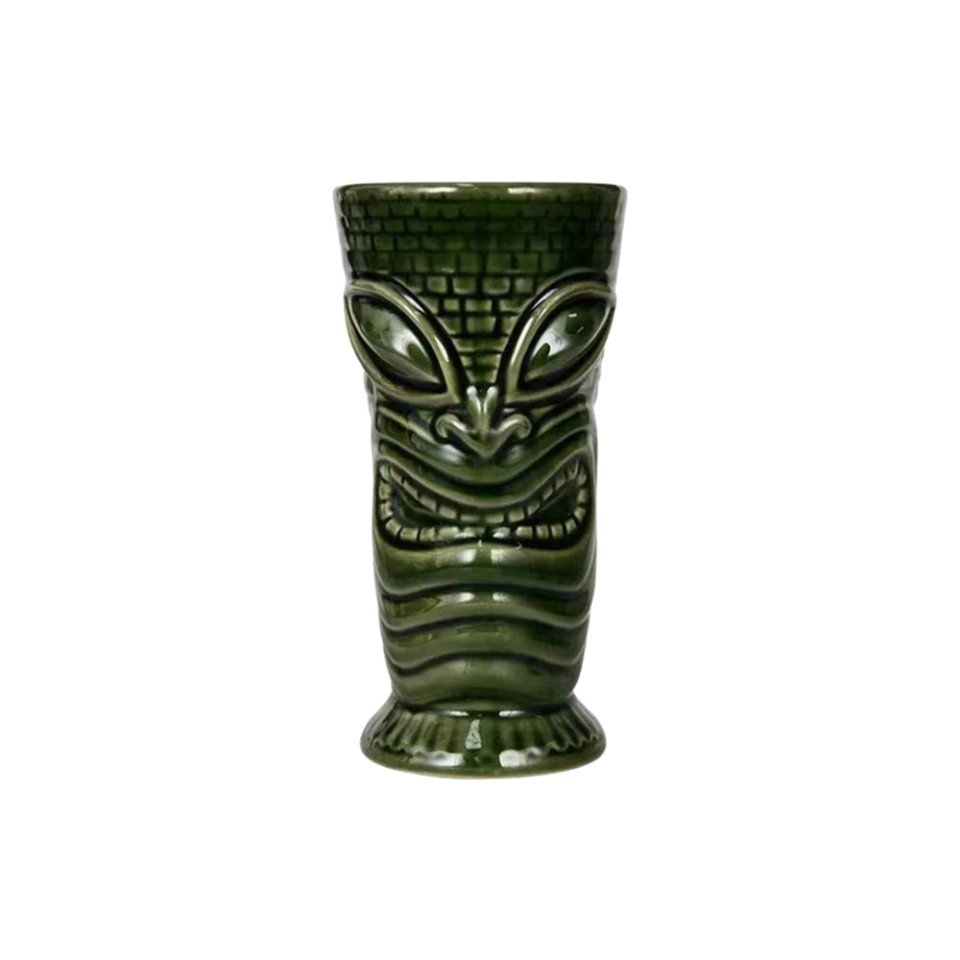
Products in this guide: Ceramic Bowl with Handle · Tiki Ceramic Cocktail Mug
This guide covers the three partnership models, the gift-set structure, the numbers, and the five elements of a mug program that sells.
Model 1: The Coffee Brand Buys Custom Mugs
The roaster or coffee chain orders mugs with their logo, artwork or seasonal design — for retail sale in cafes, as loyalty rewards, or as subscription add-ons. The ceramic maker produces and ships; the coffee brand sells through its own channel.
Works best when: the coffee brand has cafe or e-commerce distribution and wants merchandise that matches its coffee quality. The mug is a brand object, not a commodity — the customer is buying the coffee brand's taste, and the mug must carry that standard.
Model 2: The Shared Gift Set
Both brands co-develop a gift box: a ceramic mug or cup set plus a bag of coffee, packaged together under both names. The coffee brand supplies the beans and the story; the ceramic maker supplies the cup and the box structure; each sells through its own channel and shares the economics.
Works best when: both brands have audiences that overlap and want a premium gift item for holidays or subscriptions. The gift set is the format that converts a commodity mug into a present — and a present carries a gift margin.
Model 3: The Co-Branded Limited Edition
A seasonal or one-off collaboration: the ceramic maker produces a special shape or finish, the coffee brand supplies a limited batch or a signature blend, and both brands co-market the drop. Limited editions are the highest-margin format because scarcity drives the price.
Works best when: both brands want attention, not just revenue — a launch event, a social campaign, a festival pop-up. The limited edition is a marketing event that happens to be a product.
The Gift-Set Structure That Sells
Whatever the model, the sellable coffee-and-cup set has a structure: a mug or cup (the durable item), a coffee element (beans, a pouch or a scoop), a story element (a card or label explaining the blend and the maker), and a gift box that carries both brands. The box is the product — a set in a printed box reads as premium; the same set in a plain box reads as a mug with a bonus.
For the ceramic maker's factory spec, the set adds: the gift box structure and printing; the insert that holds the cup and the coffee element; and the packaging language that carries both brand marks without conflict.
The Numbers: MOQs, Cost and Pricing
Co-branded mugs are a real production line with real economics:
- MOQ: decorated custom mugs typically run 1,000–3,000 pieces per design. A gift set adds the box and the coffee element, so the set MOQ is usually driven by the box supplier's minimum, often lower than the mug MOQ.
- Cost structure: mug + decoration + box + coffee element + assembly. The ceramic piece is typically 40–60% of the set cost; the coffee and the box make up the rest.
- Pricing: a co-branded set prices at 2–3× the loose mug price because the gift context carries the margin. The mug alone is a commodity; the set is a product.
The Five Elements of a Mug Program That Sells
- A design that matches the coffee, not just the logo. The mug's finish and color should echo the coffee brand's identity — a single-origin roaster sells a different mug than a nitro-cold-brew brand. The design is the brand, twice.
- A mug that works. Capacity, handle, weight and dishwasher safety matter more in a mug sold to the public than in a promotional item — the customer lives with it daily. Spec it like a retail product.
- A story that travels. The card or label should tell the blend and the maker story in one paragraph. The story is what makes the set giftable and the price acceptable.
- Seasonal or occasion hooks. Coffee brands run stronger mug programs around holidays, subscription renewals and new-blend launches. Time the production to the occasion calendar, not the fiscal quarter.
- A reorder path. The first run should establish the design, the MOQ and the reorder terms — a successful co-branded mug is reordered for seasons and years, not sold once.
What to Send the Factory
For a co-branded program, the factory needs: the artwork and both brand marks with clear usage rules; the mug spec (shape, capacity, finish, handle); the decoration method and color references; the gift box structure, printing and insert; the assembly instruction for the coffee element; and the reorder MOQ and lead time. The factory that gets the full brief delivers a program; the factory that gets a logo ships a mug — and the difference is the margin.
When the decision moves to a bulk order, our bulk ceramic mug manufacturer page covers MOQ, decoration methods and certification in one place.
"Coffee-Lifestyle Ceramic Programs"
Explore products featured in this guide:
Have questions? See our Sizes & Finishes FAQ and Ordering & Certifications FAQ.
Need a custom quote? Send an inquiry or browse our full product catalog.