Clay and Raw Material Science: The Hidden Quality Variables in Your Ceramic Batch
The Quality You Cannot See
The buyer inspects the surface - the glaze, the decoration, the shape - but the largest quality variable sits underneath, in the clay body itself. The clay decides the whiteness, the strength, the thermal behavior and the cost of the piece, and it is the variable the buyer cannot see in the finished product: the same mug in the same glaze can be made from very different bodies, and the body is where the quality difference lives (see our forming guide for how the body is shaped, and our glaze-science guide for how the body meets the glaze). This guide reads the clay layer through the buyer's eyes: the body types, the whiteness and the shrinkage - and the questions that pull the body into the open.
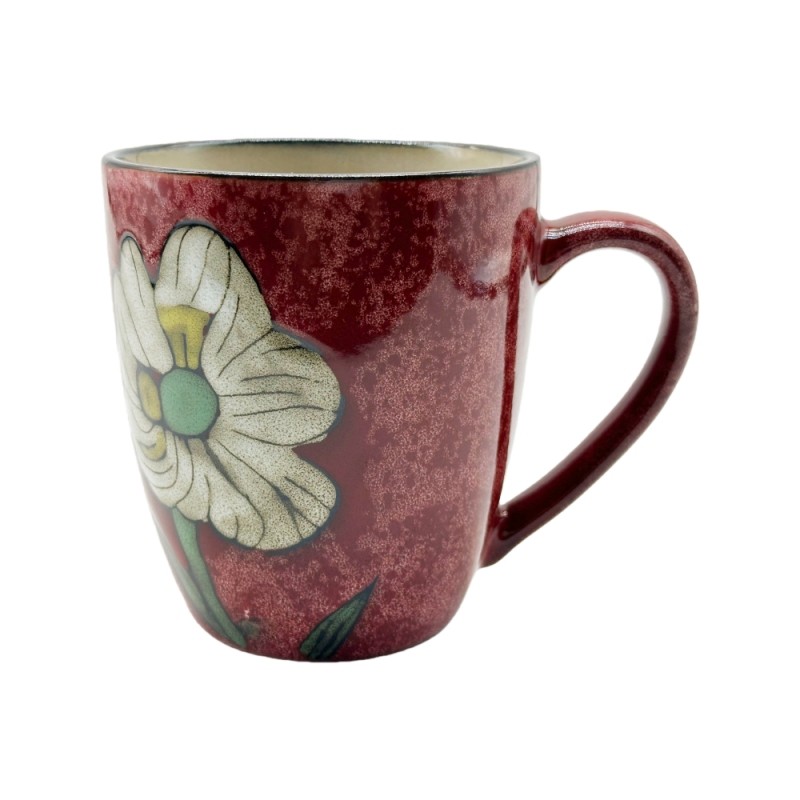
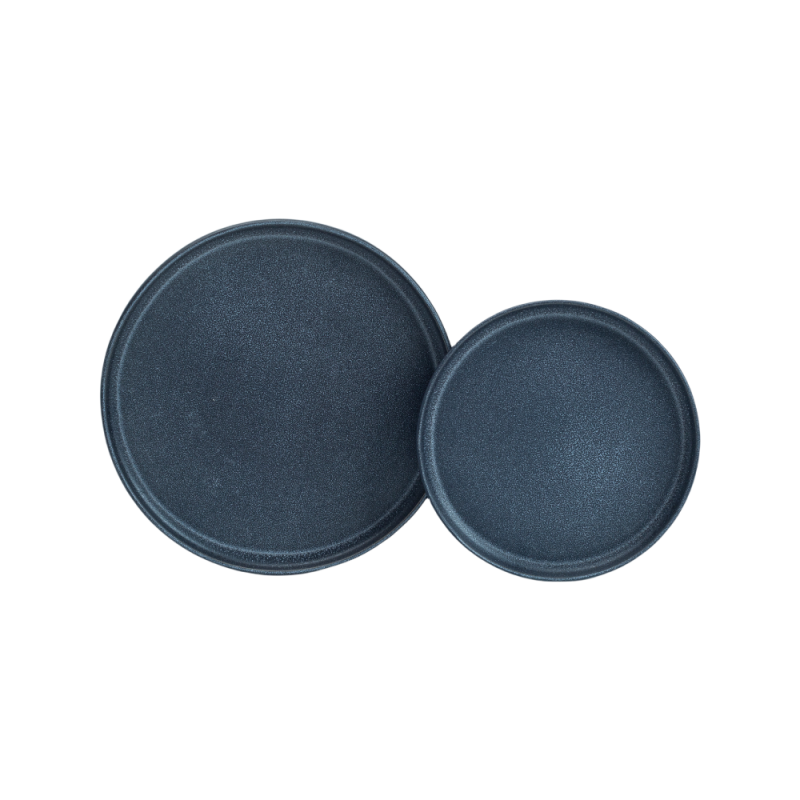
Products in this guide: Reactive Glaze Ceramic Mug · Reactive Glaze Dinner Plate
The Body Types: Earthenware, Stoneware and Porcelain
The clay bodies fall into three families by their firing temperature and their character. Earthenware fires low (around 1,000-1,150°C), is porous after the fire and relies on the glaze for its strength and its waterproof quality - the classic terra-cotta and the decorated craft lines, usually with the visible character of the clay (see our forming guide for the hand-built context). Stoneware fires higher (around 1,200-1,300°C), becomes dense and vitrified in the fire - the daily tableware, the mugs and the oven-safe pieces, the workhorse body of the export programs (see our manufacturing-trend guide for the volume lines that run on it). Porcelain fires highest (above 1,300°C), is the whitest and the most vitrified - the fine china, the premium mugs and the heritage programs (see our region guide for the porcelain tradition). For the buyer, the body type sets the price floor and the character: the stoneware is the value, the porcelain is the premium, and the body choice should match the market the program sells to.
Whiteness: The First Quality Signal
Whiteness is the first visible clay variable - the degree to which the body itself is white before the glaze. The white porcelain body is made whiter by the kaolin and the feldspar in the recipe, while the stoneware bodies carry the natural gray, the buff or the brown of their clays (see our region guide for where the white clays come from). For the buyer, whiteness matters in two places: the white-glaze programs, where the body shows through the translucent glaze and the gray body makes the piece look dirty even under the perfect glaze; and the light decoration, where the color sits on the body's tone (see our color-control guide for the base-tone effect). The signal: the buyer should ask for the body whiteness - the brightness value the factory quotes - and match it to the program: the value programs can take the natural body, and the premium white programs need the white body, which is also the higher-cost body.
Shrinkage: The Math Behind the Size
Shrinkage is the percentage the clay body loses between the forming and the fired piece - the water leaves, the particles pack, and the piece becomes smaller in the fire. The shrinkage rates differ by body: the porcelain bodies shrink more (often 12-15% or more), the stoneware less (8-12%), and the rate is not a single number - the drying shrinkage and the firing shrinkage are separate, and the shape, the wall thickness and the forming method all shift the result (see our forming guide for the method effects and our chain-standard guide for the tolerances). For the buyer, shrinkage is the math behind the size: the mold is made oversized by the shrinkage rate, the fired piece comes out at the spec size, and a body change in the factory (a new clay source, a new batch from the supplier) shifts the rate and moves the size (see our mold-engineering guide for how the mold and the body connect). The signal: the buyer should lock the body and the shrinkage with the factory at the sample stage - the approved sample is the fired proof of the rate - and recheck the size on the production batch, because the quiet body change is the classic source of the "smaller than the sample" complaint (see our defect guide for the size-related issues).
The Raw-Material Questions for the Buyer
The clay layer opens with three questions. First, which body does this piece run - the stoneware, the porcelain or the earthenware - and does the quotation state it (see our quote-reading guide for the body line)? Second, what is the whiteness, and does the program need the premium white body (see our grading guide for the level match)? And third, can the factory show the body's shrinkage and its consistency - the batch record that proves the size has not moved (see our factory-QC guide for the record-keeping)? The buyers who read the clay layer ask the questions before the sample is approved, because the body is the cheapest variable to fix at the recipe stage and the most expensive to discover in the container (see our container guide for the shipping reality). The buyers who ask about the clay are the buyers whose batches arrive at the spec - because they bought the body, not just the surface.
"Premium-Clay Ceramic Products"
Explore products featured in this guide:
Have questions? See our Sizes & Finishes FAQ and Ordering & Certifications FAQ.
Need a custom quote? Send an inquiry or browse our full product catalog.