China's Ceramic Production Regions: Liling, Jingdezhen, Foshan and Chaozhou for Buyers
The Map Behind the Factory
China's ceramics are not made in one place - they are made in regions, and each region carries its own raw materials, its own craft traditions and its own factory culture. For the buyer, the region is a shortcut: the region tells you what the local factories are naturally good at, what the price level expects and where the specialization fits your program (see our factory-audit guide for the tour questions that verify the story). This guide maps the four major production regions - Liling, Jingdezhen, Foshan and Chaozhou - and reads each one through the buyer's lens: what they make best, what the price tells you and when to source there.
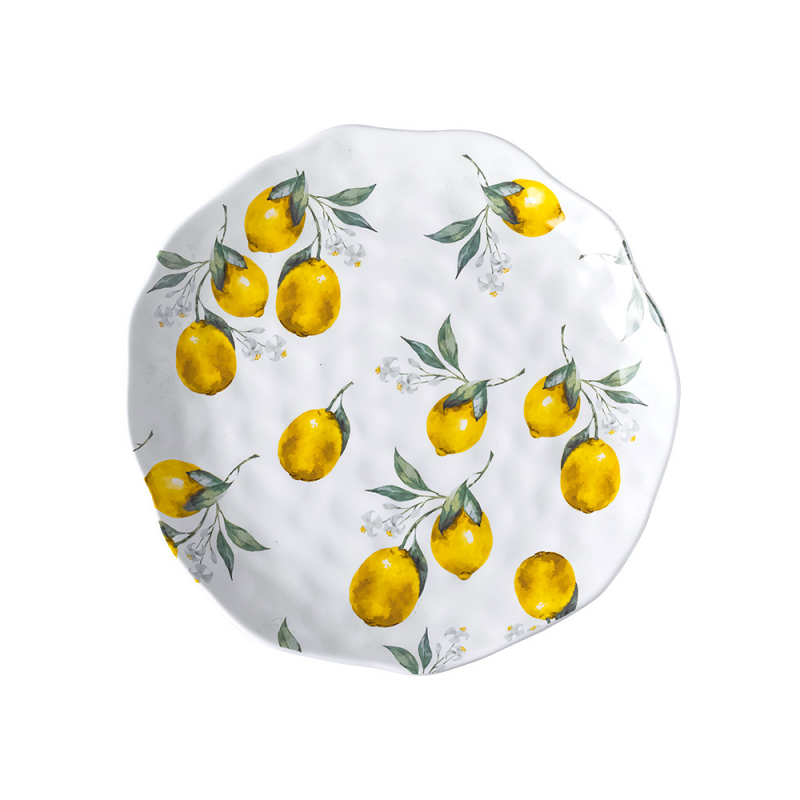
Products in this guide: Vintage Blue & White Porcelain Dinnerware Set · Lemon Pattern Stoneware Plate
Liling: The Glaze-Color Capital
Liling, in Hunan province, is known as the underglaze-color capital - the region built its reputation on the colored underglaze decoration, the technique that paints the design onto the greenware before the glaze, so the color sits under a protective glass layer (see our decoration guide for the method context). Liling's factories are strong in the decorated tableware, the giftware and the hotel programs with colorful patterns, and the region is a major export base for the colored dinnerware sets. The buyer reads Liling as the source for the decorated programs: if the design depends on the underglaze color and the batch-to-batch color match, the Liling factories have the glaze-color history behind them (see our color-control guide for the matching discipline). The price sits mid-market: Liling is not the cheapest region, but the decoration quality is the value.
Jingdezhen: The Porcelain Heritage
Jingdezhen, in Jiangxi province, is the thousand-year porcelain capital - the home of the white porcelain, the blue-and-white tradition and the fine-art craft that made the name famous worldwide. The region's factories carry the heritage skills: the hand-painted blue-and-white, the fine white bodies, the high-temperature porcelain and the craft lines that sell the story (see our craftsmanship guide for the premium side). For the buyer, Jingdezhen is the source for the heritage and the premium: the traditional patterns, the fine china programs and the products where the porcelain story itself is the selling point (see our 2027 design-trend guide for the heritage direction). The price is the highest of the four regions - the buyer pays for the craft, the brand story and the skill that cannot be automated.
Foshan: The Volume and Export Hub
Foshan, in Guangdong province, is the volume and export hub - the region industrialized the ceramic supply chain early, and its factories run the high-volume lines for the everyday tableware, the stoneware and the export programs that ship by the container (see our container guide for the FCL/LCL handling). Foshan's strength is scale and standardization: the large factories, the automated lines (see our manufacturing-trend guide for the automation story), the mature export logistics and the competitive pricing on the volume items. The buyer reads Foshan as the source for the volume programs: if the order is large, the design is simple and the price point is the driver, the Foshan factories are built for it. The trade-off is the craft: Foshan does the volume and the standardization exceptionally well, but the heritage and the fine-art programs belong to the other regions.
Chaozhou: The Daily Tableware Specialist
Chaozhou, also in Guangdong, is the daily tableware specialist - the region concentrates on the daily-use ceramics: the soup bowls, the rice bowls, the daily dinnerware and the export programs for the everyday kitchen (see our regional-market guides for where the daily tableware travels). Chaozhou's factories are known for the fast turnaround and the competitive daily-tableware pricing, and the region handles the high-volume daily lines with the efficiency of a specialist (see our lead-time guide for the production math). The buyer reads Chaozhou as the source for the daily essentials: the programs where the piece is everyday, the volume is steady and the price must hold. The quality is solid for the daily grade - the buyer matches the grade to the market (see our grading guide for the quality levels).
Reading the Region Into Your Sourcing
The region choice is a sourcing decision, not a sentiment - the buyer matches the region to the program: Jingdezhen for the heritage and the premium, Liling for the decorated color programs, Foshan for the volume and the export scale, and Chaozhou for the daily tableware (see our supplier-evaluation guide for the scoring framework that weighs the fit). The region also shapes the negotiation: the price expectations, the minimums and the lead times all follow the regional economics, and the buyer who knows the map walks into the factory with the right questions (see our quote-reading guide for the cost layers and our factory-audit guide for the walkthrough). The map is not destiny - a Jingdezhen factory can run a volume line and a Foshan factory can make a craft piece - but the region tells the buyer where the natural strength lives. The buyers who read the map source with the grain of the region, not against it - and they get the product, the price and the partnership that the region was built to deliver.
"Region-Crafted Ceramic Products"
Explore products featured in this guide:

Have questions? See our Sizes & Finishes FAQ and Ordering & Certifications FAQ.
Need a custom quote? Send an inquiry or browse our full product catalog.