Ceramic vs Stainless Steel, Glass and Paper: The 2026 Drinkware Material Debate
Every Material Claims It Is the Sustainable One
Walk any 2026 drinkware aisle and every material claims the green crown: stainless steel is infinitely reusable, glass is endlessly recyclable, paper is compostable, and ceramic... is heavy and energy-intensive to fire. Yet the ceramic mug is not going anywhere. Sustainability is now the entry ticket, not the differentiator — and the real buying decision comes down to the material's day-to-day performance. This guide compares the four materials honestly: where each genuinely wins, where each genuinely loses, and where ceramic still holds the ground.
The Honest Comparison Table
| Factor | Ceramic | Stainless Steel | Glass | Paper (disposable) |
|---|---|---|---|---|
| Heat retention (hot) | Excellent, 5-7mm walls | Very good (double-wall) | Poor, cools fast | Poor, cools fast |
| Cold retention (iced) | Good, thermal mass | Excellent, insulated | Poor | Poor |
| Feel and weight | Substantial, premium | Light, technical | Fragile, elegant | Cheap, throwaway |
| Durability | Chip-resistant stoneware OK; porcelain needs care | Very high, dents not breaks | Breaks | Single-use |
| Dishwasher/microwave | Yes (decorated-safe) | Dishwasher yes, microwave no | Yes | No |
| Print and color quality | Full-color, permanent, premium | Limited, often etched/coated | Limited, often etched | Full-color, cheap |
| Sustainability story | Fired once, lasts decades | Infinite reuse, mining impact | Infinite recycling, fragile | Compostable but single-use |
| Cost at retail | Mid-high, premium shelf | Mid, functional | Low-mid | Lowest |
Where Each Material Genuinely Wins
Stainless steel wins on the go. For travel, camping and anything involving a backpack, insulated steel is the right answer: unbreakable, excellent thermal retention, no dishwasher concerns. The trade-off is feel — steel cups lack the sensory warmth of ceramic, and steel is not microwave-safe, which matters for office reheating culture.
Glass wins on showcase. For specialty drinks where clarity is the point — layered iced drinks, matcha, a beautiful cold brew — glass displays the drink itself. The trade-offs are thermal (glass loses heat and cold fast) and fragility (glass breaks, and breaking in a café or office is a real cost).
Paper wins on events and volume. For festivals, catering and takeaway at scale, paper and compostable cups win on logistics: no washing, no breakage, lowest unit cost. The trade-off is the sustainability math — a single-use cup, even compostable, consumes resources per event, and the feel signals disposable.
Where Ceramic Still Wins
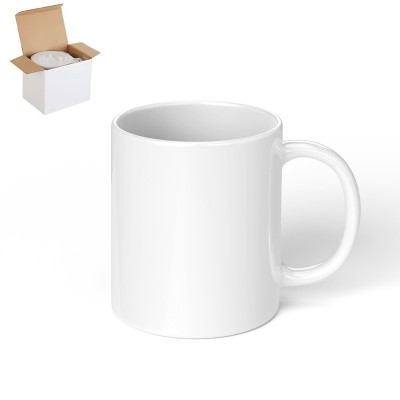
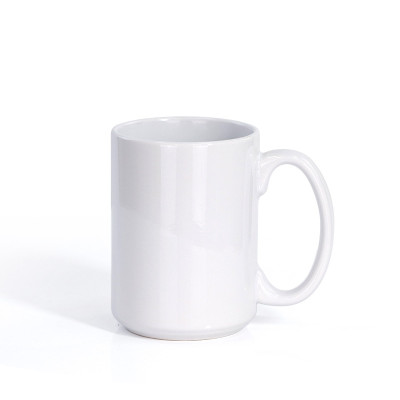
The daily ritual. The ceramic mug holds heat for a full slow morning coffee, feels substantial in the hand, and sits at a desk as a personal object — not a container. This is the use case steel, glass and paper all fail at: the everyday, at-home-or-office, reheat-and-sip experience.
Brand and presentation. Full-color printing is permanent and premium on ceramic. A branded ceramic mug is a keepsake that survives years of dishwasher cycles; a printed paper cup is gone in fifteen minutes. For gifting, retail and brand merchandise, ceramic has no real competitor.
Microwave and dishwasher reality. Ceramic works in both without thought — the single most common daily friction point for steel (no microwave) and paper (no reuse). For office, café and home programs, this frictionlessness is decisive.
The longevity math. A good ceramic mug fired once and used daily for ten years has an environmental footprint that beats endless paper cups by any measure. "Heavy to fire" is true; "worse for the planet" is not, once the full lifecycle is counted.
How to Choose: The Decision Rule
Match the material to the moment, not the trend. On-the-go, rugged, outdoors: stainless. Showcase drinks, visual presentation: glass. Events, catering, single-serve at scale: paper. Daily ritual, brand, gifting, home and office: ceramic. Buyers who try to make one material do everything end up with a compromise in every use case.
For programs, mix deliberately. A café that serves in ceramic, sells branded ceramic mugs for retail, and uses compostable paper for takeaway has a defensible, honest material story — and each material is doing the job it does best.
The Ceramic Case in One Line
The debate is not "which material is best" but "which material for which moment." Ceramic loses to steel on the trail and to paper at a festival — and it wins the daily cup, the brand asset and the gift box, which is where mugs actually live. When your program needs a vessel that holds heat, holds a brand and holds up for years, ceramic is the material the comparison cannot replace. Send us your program details and we will quote the ceramic option with the specs that make the case.
The comparison that decides it: cost per use
Unit price is the wrong basis for comparing drinkware materials, because the materials fail at different rates and are replaced at different intervals. The comparison that holds up in a buying decision is cost per use: purchase price plus expected breakage and replacement, divided by the number of services the item delivers before it leaves the fleet. On that basis a ceramic mug that survives three years and 800 commercial washes competes with a cheaper alternative that is replaced twice a year.
Where each material actually wins
- Ceramic — heat retention, mouthfeel, printability in full colour, and the fact that it is the only option that carries a branded programme credibly. It loses where the item cannot be washed or where weight is critical.
- Stainless steel — unbreakable and light, which is why it dominates travel and outdoor service. It is harder to decorate durably and offers no visible brand surface for a café.
- Glass — shows the drink, which is why it survives in cold service and in venues where presentation is the product. It is heavy, breakable and costly to ship.
- Paper and compostable single-use — legitimate for events and takeaway, and increasingly required by venue policy; the cost per use is low, but the cost per cover is not, once volume is meaningful.
Three questions that settle it
Ask them in this order. Is the item washed and reused? If yes, single-use drops out and the choice is between ceramic, steel and glass. Is the drink held or poured? Heat retention favours ceramic and steel; presentation favours glass. Does the vessel carry the brand? If it does, ceramic is the only material on which a fired, dishwasher-proof logo is routine — and that requirement alone usually decides the question.
See the bodies we run in the ceramic mugs and cups range, and the full set of buying decisions in the custom mug programme guides. The commercial structure — MOQ, decoration and sampling — is in the bulk order programme. If you are replacing another material and want a like-for-like comparison, send us the item and the volume.
"Ceramic That Makes the Case"
Explore products featured in this guide:
Have questions? See our Sizes & Finishes FAQ and Ordering & Certifications FAQ.
Need a custom quote? Send an inquiry or browse our full product catalog.